
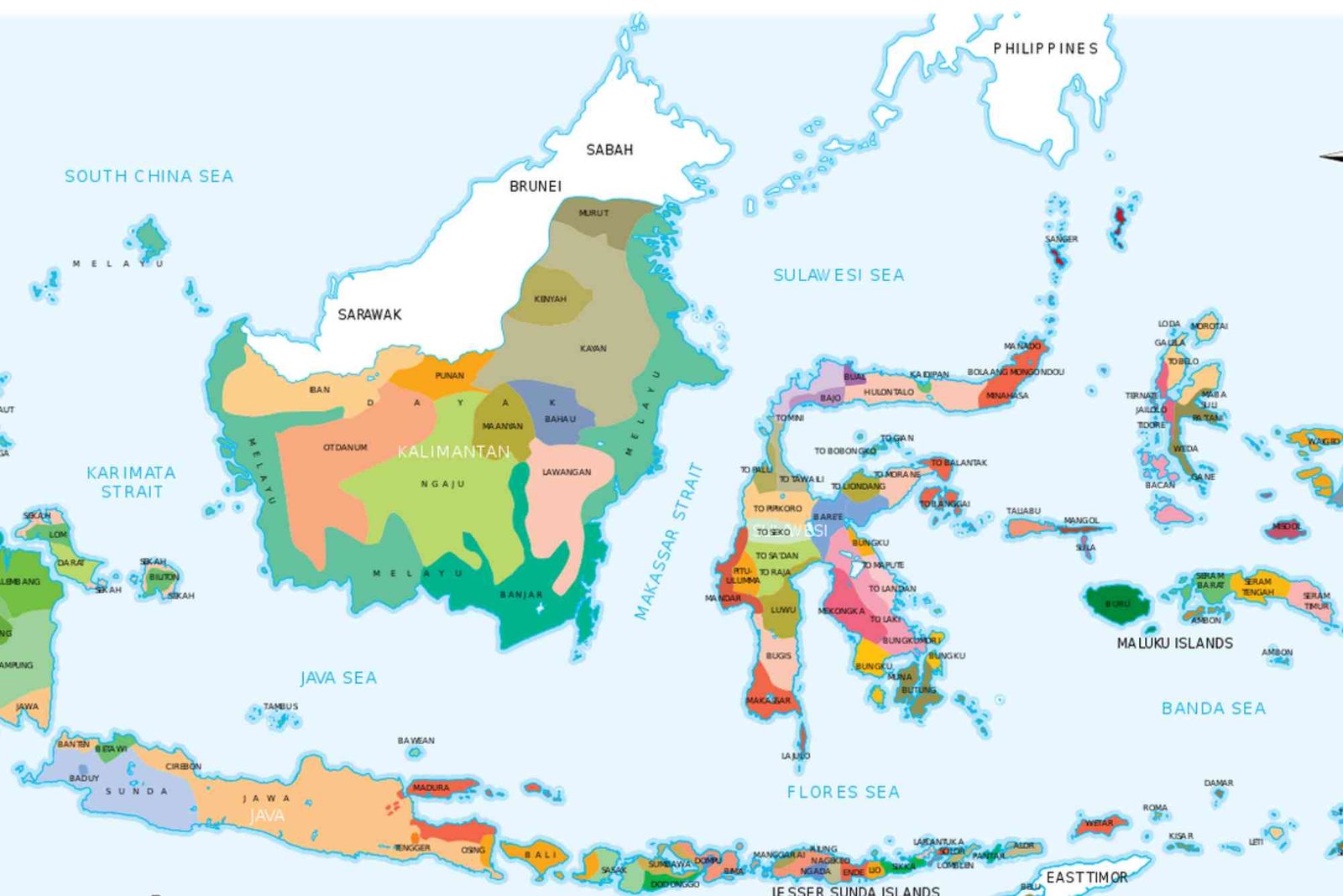
Regional Languages in Indonesia: Uniqueness and Preservation Efforts
Indonesia is one of the most linguistically diverse countries in the world. With over 700 regional languages spoken across its thousands of islands, the nation is a treasure trove of cultural and linguistic heritage. Each language carries the history, traditions, and identity of its people, making regional languages an essential part of Indonesia’s cultural fabric. However, globalization, urbanization, and the dominance of the national language, Bahasa Indonesia, pose challenges to the survival of these languages. Understanding the uniqueness of regional languages in Indonesia and supporting preservation efforts is vital to maintaining this rich heritage.
The Diversity of Regional Languages in Indonesia
Indonesia’s geography, spread across more than 17,000 islands, has contributed significantly to its linguistic diversity. From Sumatra to Papua, each region has developed languages that reflect its unique history and cultural interactions. For instance, Javanese, spoken by millions in Java, has multiple dialects and even distinct speech levels depending on social context. Similarly, Balinese in Bali is deeply intertwined with Hindu traditions, while Minangkabau in West Sumatra is closely linked to matrilineal customs. These languages are not merely communication tools; they carry local knowledge, folklore, rituals, and social values that define the identity of their speakers.
Regional languages in Indonesia also demonstrate fascinating linguistic features. Some languages, such as Acehnese or Makassarese, have phonetic and grammatical structures that differ sharply from Bahasa Indonesia. Others, like Batak Toba or Dayak languages in Kalimantan, preserve ancient vocabulary that offers insights into early Austronesian migrations. This linguistic variation is an invaluable resource for researchers, historians, and anthropologists seeking to understand the evolution of human communication in Southeast Asia.
Factors That Threaten Regional Languages
Despite their cultural significance, regional languages in Indonesia face numerous challenges. One major factor is the widespread use of Bahasa Indonesia as the official language of education, government, and media. While this unifying language strengthens national identity, it inadvertently reduces opportunities for younger generations to learn and use their regional languages. Urban migration also contributes to language erosion, as people move from villages to cities and adopt dominant languages for social and economic integration.
Technology and popular culture further impact regional language use. Social media, television, and online content predominantly feature Bahasa Indonesia or international languages like English. This exposure often encourages youth to prioritize global communication over local linguistic heritage. Additionally, intergenerational gaps can prevent the natural transmission of language. When parents and grandparents do not actively teach their children regional languages, these languages risk falling into disuse and eventual extinction.
The Importance of Preserving Regional Languages
Preserving regional languages in Indonesia is more than a cultural exercise; it is essential for maintaining social cohesion, historical knowledge, and cognitive diversity. Languages encode unique ways of thinking, storytelling, and problem-solving. Losing a language means losing a worldview, traditional knowledge, and often centuries of folklore and oral history. For instance, traditional medicinal knowledge, agricultural practices, and ecological wisdom are often embedded in indigenous languages. Protecting these languages ensures that future generations retain access to this heritage.
Moreover, language preservation contributes to cultural pride and identity. Communities that actively speak and celebrate their languages feel a stronger connection to their ancestry. In Indonesia, regional festivals, traditional ceremonies, and storytelling events frequently incorporate local languages, reinforcing their significance in daily life and cultural expression.
Efforts to Preserve Regional Languages
Recognizing the threat to its linguistic heritage, Indonesia has initiated various measures to preserve and promote regional languages. The government, educational institutions, and civil society organizations play active roles in these efforts. One approach involves integrating regional languages into formal education. Schools in regions like Bali, Java, and Papua offer language classes that teach both reading and writing skills, alongside cultural studies. This approach allows children to develop bilingual competence, balancing national and regional identities.
Community-based initiatives also support preservation. Cultural organizations, local governments, and NGOs organize workshops, storytelling sessions, and language competitions that encourage young people to speak their mother tongues. Digital media has become a powerful tool in this effort. Mobile apps, online dictionaries, and social media campaigns help document and disseminate regional languages, making them more accessible to tech-savvy generations. Audio and video recordings of oral traditions, songs, and folklore also serve as valuable archives for future research and education.
Research institutions and universities contribute by documenting endangered languages. Linguists often travel to remote villages to record phonetics, vocabulary, and grammar, ensuring that even languages with very few speakers are preserved. These efforts not only protect the language itself but also provide resources for revitalization programs. In some cases, revitalized languages are reintroduced into schools or community centers, helping restore their role in daily life.
The Role of Technology in Language Preservation
In today’s digital era, technology offers unprecedented opportunities for preserving regional languages. Mobile applications allow users to learn languages interactively, combining gamification with cultural education. Online platforms host multilingual content, from folk tales to educational videos, helping regional languages reach a global audience. Social media encourages community engagement, as speakers share videos, memes, and stories in their mother tongues. This not only reinforces usage among younger speakers but also raises awareness of the value of linguistic diversity.
Artificial intelligence and natural language processing are also beginning to support regional language preservation. AI-powered translation tools can help convert content between regional languages and Bahasa Indonesia, bridging communication gaps and enhancing access to knowledge. Moreover, digital archives ensure that languages with few remaining speakers are documented before they vanish completely.
Success Stories in Language Preservation
Several Indonesian regions provide inspiring examples of successful language preservation. In Yogyakarta, Javanese language programs in schools combine literature, traditional music, and theater to engage children actively. Bali has successfully incorporated Balinese language education into daily life, religious ceremonies, and cultural tourism, ensuring that even young residents maintain fluency. In Papua, efforts to document and teach indigenous languages, supported by NGOs and universities, have helped maintain the cultural identity of various ethnic groups.
These success stories highlight that language preservation is most effective when combined with community involvement, educational integration, and modern technology. By creating environments where regional languages are valued, used, and celebrated, communities can ensure that these linguistic treasures survive for generations.
Challenges in Long-Term Preservation
Despite positive developments, several obstacles remain. Limited funding, especially in remote areas, restricts language documentation and educational programs. Urbanization continues to draw young speakers away from their linguistic roots, while mass media often prioritizes national or global languages. Moreover, without sustained government support and community engagement, preservation efforts can be short-lived. Balancing modernization with cultural continuity requires careful planning, ongoing advocacy, and active participation from local communities.
How Individuals Can Contribute
Individuals play a crucial role in preserving regional languages. Learning and using one’s mother tongue at home fosters natural intergenerational transmission. Parents and elders can share stories, songs, and proverbs, ensuring children develop both language skills and cultural knowledge. Engaging in local cultural events, supporting language education programs, and creating content in regional languages online can also make a significant difference. Even small actions, like speaking the language in daily interactions, help maintain its relevance and vitality.
Regional languages in Indonesia are not just communication tools; they are living embodiments of history, identity, and culture. Their uniqueness reflects the country’s rich diversity, while ongoing preservation efforts highlight the importance of safeguarding linguistic heritage. From educational initiatives to digital platforms, Indonesia is gradually creating a supportive environment for regional languages to thrive. Every speaker, researcher, and community member has a role in keeping these languages alive. By valuing and using regional languages, Indonesians can ensure that this remarkable heritage continues to inspire future generations.
Preserve your linguistic heritage today—learn, share, and celebrate Indonesia’s regional languages.
Internet meme and humor trends have become a defining part of online culture, shaping how people communicate, share ideas, and express creativity. From viral videos to clever image macros, memes quickly spread across social media platforms, reflecting current events, pop culture, and everyday life in a humorous way. These trends evolve rapidly, highlighting society’s playful side while connecting communities worldwide through laughter and relatable content.
FAQ
How many regional languages are spoken in Indonesia?
A: Indonesia has over 700 regional languages, making it one of the most linguistically diverse nations globally.
Why are regional languages in Indonesia endangered?
A: Urban migration, the dominance of Bahasa Indonesia, technology, and lack of intergenerational transmission threaten these languages.
What efforts are being made to preserve regional languages in Indonesia?
A: Government programs, school curricula, community initiatives, digital platforms, and research projects are actively preserving and revitalizing regional languages.
Can technology help in language preservation?
A: Yes, mobile apps, online dictionaries, social media, and AI-based tools are increasingly used to document, teach, and popularize regional languages.
Why is it important to preserve regional languages?
A: Preserving languages maintains cultural identity, historical knowledge, unique worldviews, and traditional wisdom, which are vital for future generations.