
Introduction
The printing industry has evolved dramatically in recent years. Traditional print shops no longer rely solely on offset machines and paper catalogs. Today, digital printing technology, online ordering systems, and personalized print services dominate the market. If you are considering entering this industry, understanding the modern landscape is crucial. This guide will explore how to start a printing business in the digital era, covering technology, marketing, and operational strategies for success.
Understanding the Modern Printing Industry
Printing in the digital era is vastly different from the traditional model. While physical prints remain essential for businesses, marketing, and personal use, digital solutions now play a pivotal role. Digital printing allows for faster turnaround times, lower costs for small batches, and personalization that traditional printing cannot achieve. The integration of online services, such as web-to-print platforms, allows customers to place orders without visiting a physical store, creating a more convenient experience.
The modern printing business is not only about producing paper products. Many successful printing businesses have expanded into offering promotional materials, signage, customized apparel, and even packaging solutions. These opportunities make it a highly versatile and potentially profitable industry.
Planning Your Printing Business
Before investing in equipment and marketing, thorough planning is necessary. A clear business plan serves as a roadmap, guiding your decisions and ensuring sustainable growth. Start by identifying your target audience. Are you catering to small businesses, large corporations, or individuals looking for personalized items? Knowing your audience helps determine your offerings, pricing strategy, and marketing approach.
Next, consider the scope of your services. Will you focus on digital prints, large-format signage, packaging, or all of the above? Narrowing your niche initially can help reduce competition and allow you to specialize in high-demand areas. Conducting market research is crucial to understanding local demand, competitors, and potential profit margins. A realistic financial forecast, including startup costs and projected revenue, is also necessary to secure funding or manage resources effectively.
Choosing the Right Technology
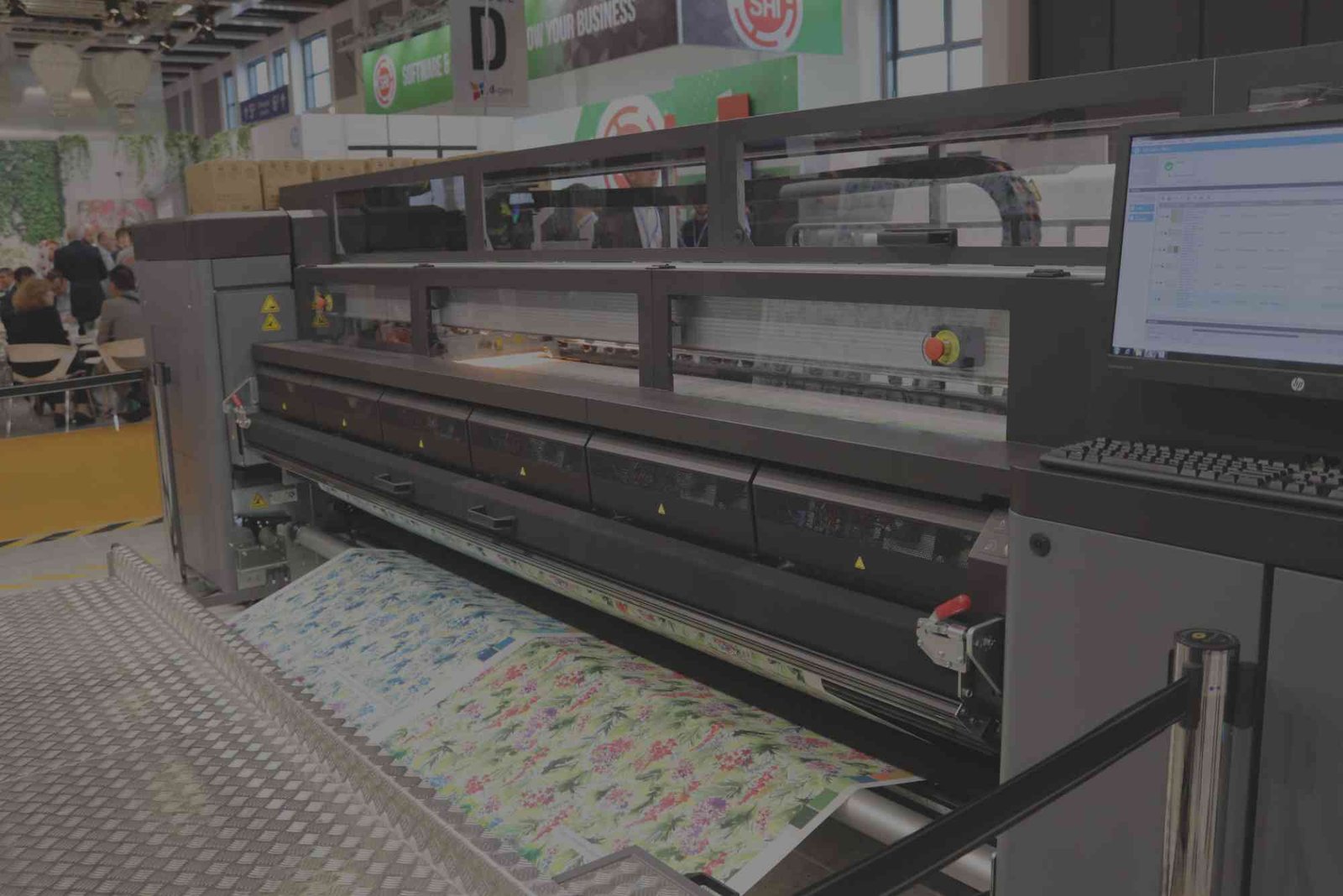
Technology is the backbone of a successful digital-era printing business. Unlike traditional methods, modern printing relies heavily on digital solutions to maximize efficiency and quality. High-quality digital printers, cutting machines, and finishing equipment are essential investments. Consider printers that support multiple media types, including paper, vinyl, fabric, and plastic, to diversify your services.
Software also plays a vital role. Graphic design programs, workflow management tools, and web-to-print platforms streamline operations and reduce errors. For businesses targeting remote customers, having an online ordering system is indispensable. It allows clients to upload designs, choose products, and pay online. Automation of repetitive tasks, such as proofing, invoicing, and order tracking, can significantly improve efficiency.
Setting Up Your Printing Workspace
Your printing business environment should be functional, organized, and safe. Space requirements depend on the scale of your operations and the type of printing equipment used. Large-format printers, for instance, require spacious rooms with proper ventilation. Adequate storage for supplies, inventory management systems, and workstations for design and finishing are equally important.
Safety and compliance cannot be overlooked. Many printing processes involve chemicals, inks, and solvents. Ensuring proper ventilation, protective equipment, and compliance with local regulations protects employees and minimizes risks. A clean, professional workspace also boosts productivity and builds customer trust, particularly if clients visit your location.
Building Your Brand and Marketing
In the digital era, marketing strategies for printing businesses have changed. It is no longer enough to rely on word-of-mouth or local signage. Establishing a strong online presence is essential. Your website should showcase your services, provide pricing information, and feature an online ordering system if possible. Social media platforms allow you to display your work, engage with potential clients, and build a following.
Content marketing can attract customers seeking information about printing solutions. Blog posts, tutorials, and videos explaining your services can boost visibility and authority. Paid advertising, such as search engine ads or social media promotions, can help target specific customer segments. Remember that in the digital era, reviews and testimonials heavily influence purchasing decisions, so encouraging satisfied customers to share their experiences is crucial.
Offering Value-Added Services
Differentiating your printing business from competitors is essential for long-term success. Offering value-added services can set you apart and attract loyal clients. Personalization is one such strategy. Customized products, from business cards and invitations to branded merchandise, appeal to both businesses and individuals.
Other value-added services include fast turnaround options, design assistance, and consultation for large projects. Some printing businesses also provide eco-friendly solutions, using sustainable materials and practices to appeal to environmentally conscious customers. By understanding customer needs and exceeding expectations, you can create a reputation for quality and reliability.
Managing Finances and Pricing
Effective financial management is a cornerstone of any business. In the printing industry, startup costs can be significant, depending on equipment, software, and space requirements. Create a detailed budget outlining all expenses, including maintenance, materials, and labor. Tracking operational costs carefully ensures profitability and helps identify areas for cost savings.
Pricing is another critical consideration. While competitive pricing is important, undervaluing your services can harm your business in the long run. Consider the costs of materials, labor, overhead, and desired profit margin when setting prices. Offering tiered pricing for bulk orders, express services, or premium materials can attract a wider range of clients and increase revenue.
Embracing Digital Integration
The digital era offers numerous opportunities for integration and automation. Cloud-based systems allow remote management of orders, inventory, and client communication. Data analytics can reveal customer trends, popular products, and operational inefficiencies. By leveraging these tools, printing businesses can make informed decisions, reduce waste, and increase profitability.
Additionally, integrating your printing business with e-commerce platforms expands your reach. Collaborating with online marketplaces, graphic design services, or local businesses can generate consistent demand. The key is to stay adaptable, embracing new technologies and trends to remain competitive.
Delivering Exceptional Customer Experience
Customer satisfaction is vital in the printing industry. Providing a seamless experience, from consultation and design to delivery, ensures repeat business and positive referrals. Clear communication, accurate timelines, and consistent quality build trust with clients.
Offering flexible solutions and listening to customer feedback can help improve services. Personalized interactions, such as sending proofs before final printing or offering design suggestions, enhance the overall experience. In a competitive market, businesses that prioritize customer experience are more likely to thrive.
Preparing for Challenges
Like any business, printing comes with challenges. Equipment malfunctions, fluctuating material costs, and changes in demand can impact operations. Preparing for these challenges requires proactive planning. Regular maintenance schedules, supplier diversification, and a financial buffer can reduce risks.
Staying updated on industry trends and emerging technologies ensures that your business remains relevant. The printing industry is increasingly influenced by digital media, online marketing, and sustainable practices. Businesses that adapt quickly to these trends can seize new opportunities and outperform competitors.
Scaling Your Printing Business
Once established, scaling your printing business requires strategic planning. Expanding product offerings, targeting new markets, or opening additional locations can increase revenue. Investing in advanced printing technologies, automation, and employee training supports growth.
Partnerships with corporate clients, marketing agencies, or e-commerce platforms can generate bulk orders and long-term contracts. Scaling successfully depends on maintaining quality, efficiency, and customer satisfaction. Continuous innovation ensures that your printing business stays competitive in the digital era.
Starting a printing business in the digital era is both challenging and rewarding. Success depends on a combination of technological adoption, strategic planning, and customer-focused service. By understanding market trends, choosing the right equipment, and delivering exceptional experiences, entrepreneurs can create a profitable business that thrives in today’s competitive landscape. Whether you focus on digital prints, personalized products, or large-format solutions, the key is adaptability and dedication. Start planning your venture today, embrace innovation, and position your printing business for long-term success in the modern market.
Starting a freelance business as a beginner can be exciting yet challenging. Focus on identifying your skills, defining your niche, and setting clear goals. Build an online portfolio, create a professional profile on freelance platforms, and start networking to attract clients. Consistency, learning, and delivering quality work are key to growing your freelance career successfully. Learn more here: How to Start a Freelance Business for Beginners
FAQ
What equipment is necessary to start a modern printing business?
Essential equipment includes digital printers, cutting and finishing machines, design software, and an online ordering system.
How can I attract clients in the digital printing industry?
Establish an online presence, showcase your portfolio, use social media, and provide personalized and fast services.
Is digital printing more profitable than traditional printing?
Digital printing reduces overhead, allows small-batch production, and supports customization, often leading to higher profit margins.
Can a small printing business operate online only?
Yes, web-to-print platforms and e-commerce integration allow businesses to serve clients without a physical storefront.
What trends should new printing businesses follow?
Focus on personalization, eco-friendly materials, fast turnaround, and integration with online marketplaces for consistent growth.