
Introduction
Modern vehicles rely heavily on sensors to monitor performance, detect issues, and maintain safety. From oxygen sensors to parking sensors, these devices communicate crucial information to your car’s computer system. When a sensor malfunctions, it can trigger warning lights, reduce efficiency, or even cause damage if ignored. Learning how to repair a car sensor that is malfunctioning can save time, money, and unnecessary trips to the mechanic. This article provides a comprehensive guide to understanding, diagnosing, and repairing faulty car sensors.
Understanding Car Sensors
Car sensors are electronic components that measure specific functions of your vehicle. They collect data and send it to the engine control unit (ECU) or other control modules. Common sensors include oxygen sensors, mass airflow sensors, temperature sensors, wheel speed sensors, and parking sensors. Each sensor has a distinct role, and a malfunctioning sensor can cause noticeable problems, including poor fuel efficiency, rough idling, or incorrect dashboard warnings.
How Sensors Work
Sensors typically function by detecting changes in their environment, such as temperature, pressure, or electrical resistance. They convert this data into electrical signals, which the car’s computer interprets. If the signal is inconsistent or absent, the ECU may trigger a warning light. For instance, a faulty oxygen sensor may cause the engine to run too rich or lean, resulting in higher fuel consumption and emissions.
Common Causes of Sensor Malfunction
Several factors can cause sensors to malfunction. Physical damage, corrosion, loose connections, and exposure to contaminants are common culprits. Sensors can also fail due to internal component wear, overheating, or software glitches in the car’s system. Understanding these causes is critical before attempting any repair, as it allows you to identify whether the problem is with the sensor itself, the wiring, or the car’s computer.
Diagnosing a Malfunctioning Sensor
Proper diagnosis is the first step in knowing how to repair a car sensor that is malfunctioning. Modern vehicles are equipped with onboard diagnostics (OBD-II) systems, which detect faults in sensors and other components.
Using an OBD-II Scanner
An OBD-II scanner is an essential tool for diagnosing sensor issues. By connecting it to your car’s diagnostic port, you can retrieve error codes that indicate which sensor is malfunctioning. These codes provide insight into whether the issue is a wiring problem, a sensor failure, or another related issue.
Visual Inspection
Before removing or replacing a sensor, perform a visual inspection. Check for loose connections, damaged wires, corrosion, and debris that may affect sensor performance. Many sensor problems result from simple electrical or physical issues rather than complete sensor failure.
Understanding Symptoms
Symptoms of a faulty sensor vary depending on its type. Oxygen sensor problems may cause poor fuel economy or rough idling. Mass airflow sensor issues can lead to stalling or hesitation during acceleration. Temperature sensor failures may result in overheating or incorrect gauge readings. Recognizing the symptoms helps pinpoint which sensor may be malfunctioning and informs the repair approach.
Steps to Repair a Malfunctioning Car Sensor
Repairing a car sensor depends on whether the issue is electrical, mechanical, or software-related. Follow these steps to ensure a safe and effective repair process.
Safety First
Always disconnect the battery before working on any electrical components. This prevents accidental short circuits and protects both you and your vehicle. Wear gloves and safety glasses, especially when working near hot engine parts or electrical connections.
Remove the Faulty Sensor
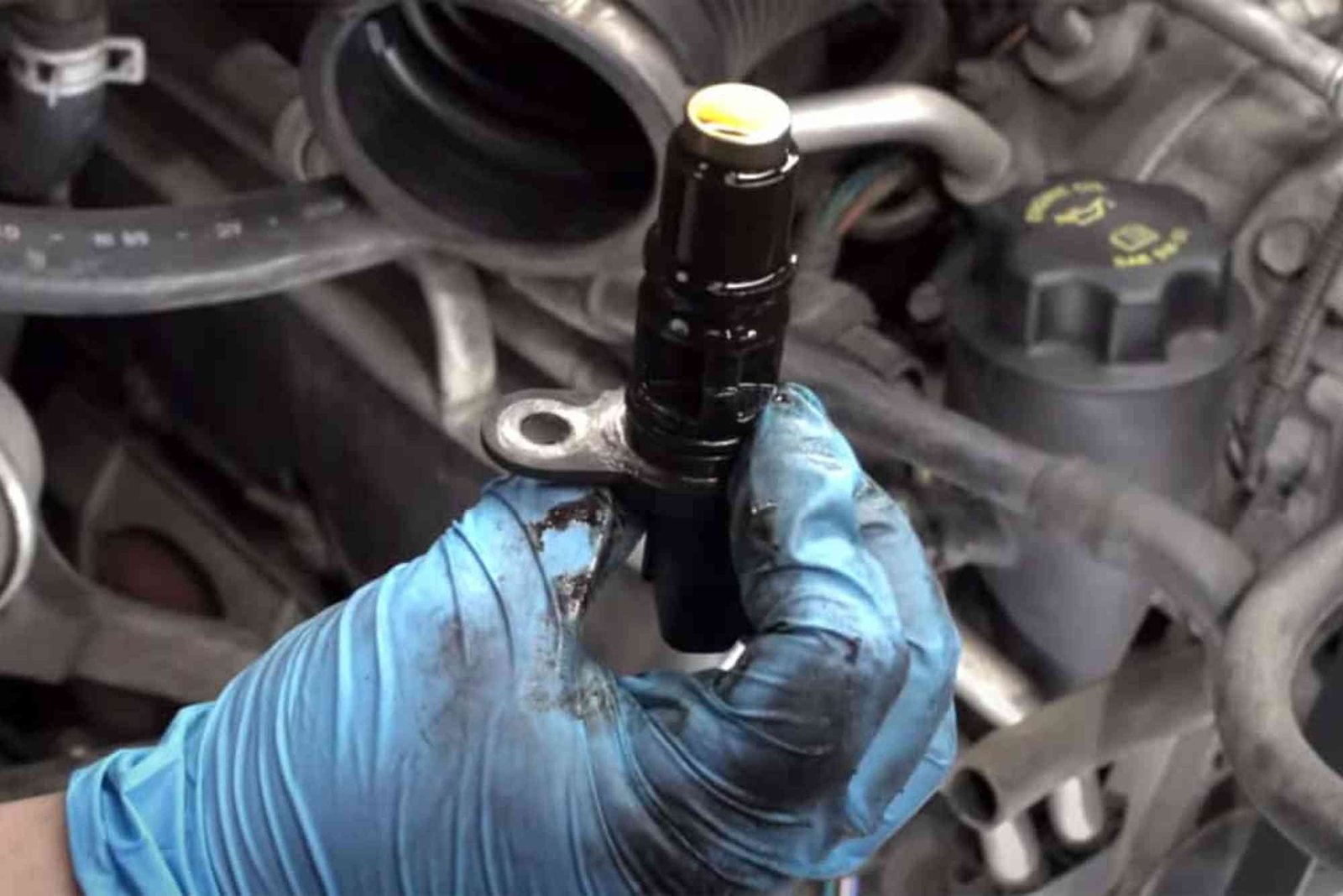
Once you have identified the sensor that is malfunctioning, locate it in your vehicle. Sensors are usually accessible but may require removing engine covers or components. Use the appropriate tools, such as a socket wrench or screwdrivers, to remove the sensor carefully. Avoid damaging the surrounding wiring or components during removal.
Clean the Sensor
Some sensors malfunction due to dirt or carbon buildup rather than complete failure. Carefully clean the sensor using a recommended sensor cleaner. Avoid using harsh chemicals that could damage sensitive components. Cleaning can restore functionality, particularly for oxygen sensors and mass airflow sensors.
Inspect and Repair Wiring
If cleaning does not solve the problem, inspect the sensor wiring and connectors. Look for corrosion, broken wires, or loose connections. Repairing or replacing damaged wiring can often resolve sensor issues without replacing the entire sensor. Use dielectric grease to prevent future corrosion and ensure a solid connection.
Test the Sensor
Before reinstalling, test the sensor if possible. Some sensors can be tested with a multimeter or specialized testing equipment to verify that they are operating within the manufacturer’s specifications. Testing before installation ensures you are addressing the correct component.
Reinstall and Reconnect
Carefully reinstall the sensor, ensuring it is seated correctly and securely. Reconnect any wiring or connectors and double-check that everything is properly attached. Reconnect the battery, start the engine, and observe whether the warning lights or symptoms persist.
Clear Error Codes
After repairing or replacing the sensor, use the OBD-II scanner to clear any stored error codes. This resets the ECU and allows the system to recognize the corrected sensor function. Monitor the vehicle for any recurring issues to ensure the repair was successful.
Advanced Considerations
While many sensor issues can be resolved with basic tools, some cases may require professional intervention. Advanced diagnostics may involve ECU reprogramming or replacing multiple components if one failure has caused a chain reaction. Complex sensors, like those in modern driver-assistance systems, may need calibration or software updates for proper functionality.
Software Updates
Modern vehicles increasingly rely on software to interpret sensor data. If a sensor continues to trigger warnings despite appearing functional, a software update from the manufacturer may be necessary. Dealers and certified repair shops can perform these updates.
Sensor Calibration
Some sensors require calibration after installation to provide accurate readings. For instance, wheel speed sensors or parking sensors may need recalibration to align with the vehicle’s computer system. Improper calibration can lead to persistent error codes or incorrect sensor behavior.
Preventing Future Sensor Problems
Preventive maintenance can extend the lifespan of your sensors and reduce the likelihood of malfunctions. Regular inspections, keeping the engine clean, and avoiding harsh chemicals or contaminants near sensors help maintain their accuracy. Additionally, addressing warning lights promptly prevents minor issues from becoming major problems.
Regular Diagnostics
Using an OBD-II scanner periodically allows you to detect early warning signs of sensor degradation. Identifying a failing sensor early can prevent engine damage, improve fuel efficiency, and ensure safe vehicle operation.
Proper Driving Habits
Avoid frequent short trips that prevent sensors like oxygen sensors from reaching optimal operating temperatures. Excessive idling or neglecting routine maintenance, such as oil changes, can lead to sensor contamination and early failure.
Learning how to repair a car sensor that is malfunctioning empowers car owners to save time and reduce repair costs. By understanding sensor function, diagnosing issues accurately, and following a step-by-step repair process, most common sensor problems can be resolved at home. While some advanced issues may require professional assistance, proactive maintenance and early intervention keep your vehicle running efficiently and safely. Take control of your car’s performance, monitor sensor health, and address any warning signs promptly. Proper attention to sensors ensures your car remains reliable and efficient for years to come.
Looking for a sports car that’s perfect for daily driving without breaking the bank? Discover affordable sports cars that combine style, performance, and comfort. These vehicles offer the thrill of a sporty ride while remaining practical for everyday use. Explore top models that fit your budget and lifestyle, making your daily commute exciting yet manageable. Check out the full list here: Affordable Sports Cars Suitable for Daily Use.
Frequently Asked Questions
How do I know if my car sensor is malfunctioning?
Common signs include dashboard warning lights, rough idling, decreased fuel efficiency, or unusual engine behavior. Using an OBD-II scanner helps identify the faulty sensor accurately.
Can I repair a sensor myself?
Yes, many sensors can be cleaned, inspected, and reconnected at home. However, complex sensors or those requiring calibration may need professional tools or software.
How much does it cost to replace a car sensor?
Sensor costs vary depending on type and vehicle model. Simple sensors may cost under $100, while advanced sensors in modern vehicles can exceed $300, not including labor.
What happens if I ignore a malfunctioning sensor?
Ignoring a faulty sensor can reduce fuel efficiency, increase emissions, cause engine damage, or affect safety features. Prompt repair is recommended to avoid more costly issues.
How often should I check my car sensors?
Regular diagnostics every 6-12 months or during routine maintenance helps catch potential sensor issues early and maintain optimal vehicle performance