
Introduction
Mold on car windows is more than just an eyesore—it can affect your visibility and even your health. Many car owners struggle with finding a method to remove mold without scratching or damaging the delicate glass. Understanding the right techniques and preventive measures can save you time, money, and the frustration of dealing with stubborn mold growth. In this guide, we’ll explore safe, effective ways to remove car window mold without harming the surface.
Understanding Car Window Mold
Mold develops on car windows when moisture gets trapped in your vehicle. This often occurs in humid environments or when a car is parked in damp areas for extended periods. Mold thrives in these conditions because glass surfaces, especially when combined with condensation or dirt, create a perfect breeding ground. It’s important to address mold early, as prolonged growth can lead to permanent staining or even compromise the integrity of your windows and seals.
The first step in dealing with mold is recognizing its presence. Mold can appear as black, green, or even white fuzzy spots on the glass surface. While it may seem harmless, mold releases spores that can irritate your eyes, nose, and lungs, especially if you have allergies. Acting quickly not only preserves your car’s appearance but also protects your health.
Essential Tools and Materials
Before tackling mold, it’s important to gather the right tools. Using improper materials can scratch the glass or leave streaks, making the problem worse. Some of the most effective items include soft microfiber cloths, mild cleaning solutions, distilled water, white vinegar, and isopropyl alcohol. Avoid abrasive sponges or harsh chemicals like bleach, which can damage your car’s paint or window seals. Safety gloves and a mask are also recommended to avoid contact with mold spores during cleaning.
Having a spray bottle for the cleaning solution and a soft-bristled brush for corners will make the process easier. For stubborn mold in window seals, cotton swabs or small brushes can help reach tight spaces without scratching the surface. Preparing your workspace by parking in a shaded, well-ventilated area ensures that the cleaning solution doesn’t dry too quickly and leave residue.
Step-by-Step Mold Removal Process
Effectively removing car window mold without damage requires a gentle yet thorough approach. Start by inspecting the window and surrounding seals for areas with visible mold. Begin at the top of the window and work downward to prevent spreading spores to areas you’ve already cleaned. A common method involves using a mixture of equal parts white vinegar and distilled water. Vinegar is natural, safe for glass, and has antifungal properties that eliminate mold effectively.
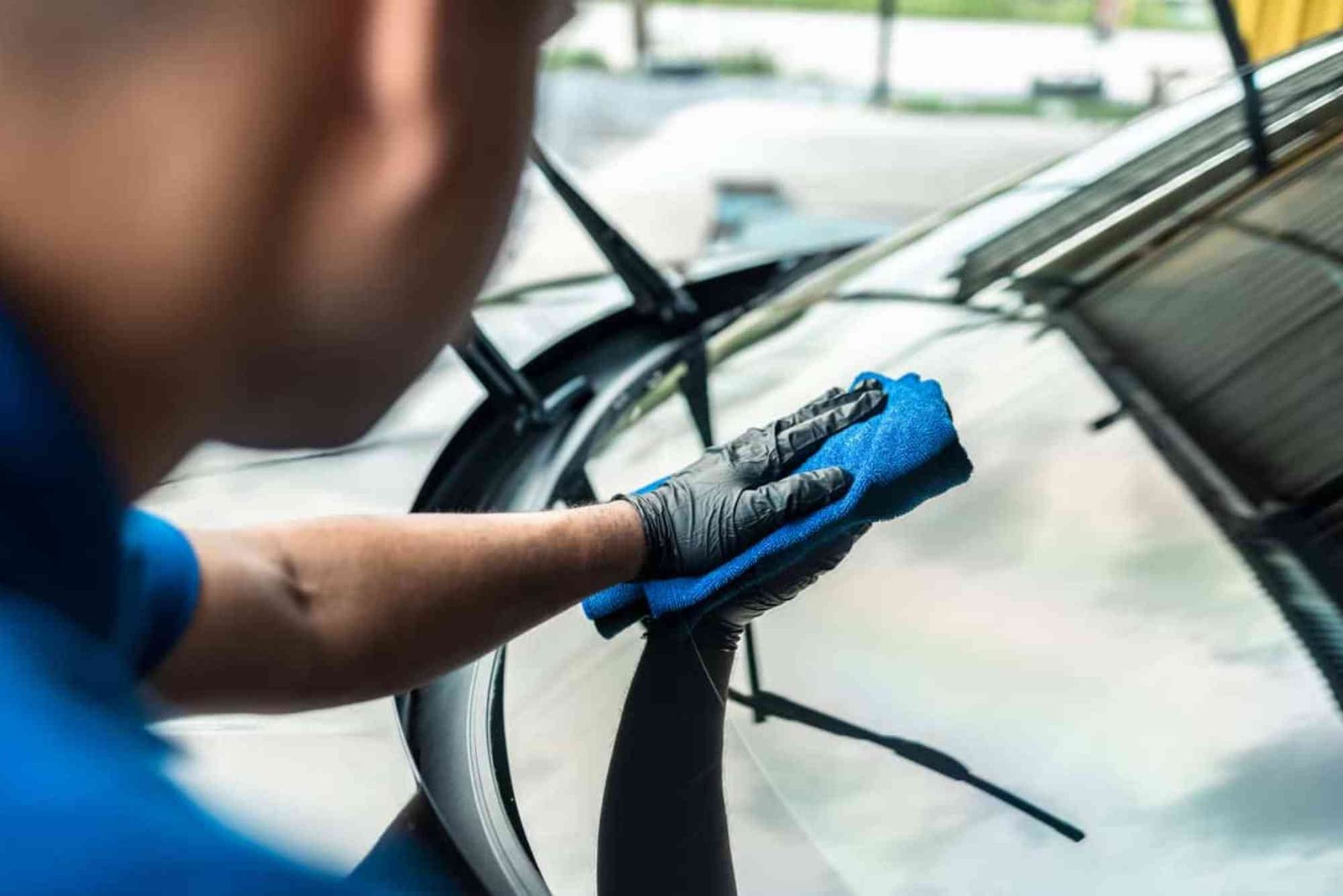
Spray the solution lightly on the affected areas and let it sit for a few minutes. This allows the vinegar to break down mold spores without scrubbing harshly. Using a soft microfiber cloth, gently wipe the mold away in circular motions. Avoid pressing too hard, as this can scratch the glass. For stubborn spots, dampen the cloth with the solution and allow it to sit on the area for a longer period before wiping.
Isopropyl alcohol is another effective option, especially for persistent mold in window corners or on rubber seals. Dab a small amount onto a cloth or cotton swab and gently rub the affected areas. Alcohol evaporates quickly, reducing the risk of streaks, and it also disinfects the surface, preventing mold from returning. For larger windows, alternate between vinegar and alcohol solutions to cover all surfaces efficiently.
After removing visible mold, rinse the window with distilled water to remove any residue. Avoid tap water, as it may contain minerals that leave streaks or water spots. Dry the window thoroughly with a clean, dry microfiber cloth. Moisture left behind can promote mold regrowth, so ensure all corners and edges are completely dry.
Preventing Future Mold Growth
Once your car windows are mold-free, it’s crucial to prevent future growth. Mold thrives in damp, poorly ventilated areas, so managing moisture inside your car is key. Regularly clean windows and ensure that your vehicle’s interior remains dry. Using silica gel packs or moisture absorbers can help control humidity inside your car. Additionally, avoid leaving wet items such as towels, umbrellas, or floor mats inside the vehicle.
Parking in sunny, ventilated areas also reduces condensation, which is a major contributor to mold growth. For vehicles in particularly humid climates, consider using a car dehumidifier or air purifier to maintain airflow and minimize moisture. Routine maintenance, including checking door and window seals for leaks, ensures that water does not accumulate and create ideal conditions for mold.
Professional Solutions and When to Seek Help
While DIY methods work for most cases, some situations require professional attention. If mold has penetrated deeply into seals or interior surfaces, professional detailing services can provide thorough cleaning without damaging your car. These services often use specialized equipment such as ozone generators or steam cleaners to eliminate mold spores completely. Consulting experts ensures that persistent mold is removed effectively, reducing the risk of health issues or permanent damage.
Additionally, if your windows have sustained scratches or etching from previous mold cleaning attempts, professional glass restoration services can polish the surface to restore clarity. Combining preventive measures with professional help provides the most effective long-term solution for maintaining clean, mold-free car windows.
Common Mistakes to Avoid
Many car owners unknowingly worsen mold problems by using harsh chemicals, abrasive tools, or ignoring moisture buildup. Avoid scrubbing with steel wool, hard brushes, or strong bleach solutions, as these can scratch glass and damage seals. Overwatering the cleaning area can also spread mold spores to other parts of the car. Always use gentle cleaning solutions and soft cloths, and focus on drying the area completely after cleaning.
Another common mistake is neglecting areas around window seals, corners, and edges. Mold often hides in these spaces, and overlooking them allows spores to return. Regularly inspect these areas and clean them as part of your routine maintenance. Consistent care is the key to preventing mold from becoming a recurring problem.
Benefits of Maintaining Mold-Free Windows
Keeping car windows free from mold enhances both safety and aesthetics. Clear, clean windows improve visibility, especially in rainy or foggy conditions. A mold-free environment inside your car also reduces allergy risks, creating a healthier space for you and your passengers. Moreover, maintaining your windows and seals prevents long-term damage, which can be costly to repair. Investing time in proper mold removal ensures your car stays in optimal condition for years.
Regular cleaning also preserves the value of your vehicle. Cars with clean, well-maintained interiors and windows are more attractive to buyers and retain resale value. Preventive measures not only protect your health but also your financial investment, making mold removal a worthwhile effort.
Safe and legal automotive modifications let car enthusiasts enhance performance and style without breaking the law or risking safety. From upgraded tires and brakes to approved lighting and exhaust systems, these changes improve driving experience while staying road-compliant. Always check local regulations, use certified parts, and consult professionals to ensure modifications are both safe and legal for everyday driving.
FAQs
How can I remove mold from car windows naturally?
You can use a mixture of white vinegar and distilled water. Spray on the affected area, let it sit for a few minutes, and wipe with a microfiber cloth.
Is mold harmful to touch?
Yes, mold spores can irritate the skin, eyes, and respiratory system. Always wear gloves and a mask when cleaning.
Can I use bleach to remove car window mold?
No, bleach can damage rubber seals and paint. Use vinegar or isopropyl alcohol instead.
How often should I clean my car windows to prevent mold?
Regularly wipe windows and check seals at least once a month, especially in humid climates.
Why does mold keep coming back on my car windows?
Persistent moisture, poor ventilation, and water leaks promote mold growth. Address these issues and dry surfaces thoroughly to prevent recurrence.
Can professional cleaning remove deep mold?
Yes, professional services use specialized equipment to remove mold from seals, corners, and interior surfaces that are hard to reach.
Removing car window mold without damaging the surface requires the right approach, tools, and preventive habits. By using gentle cleaning solutions like vinegar and isopropyl alcohol, along with soft microfiber cloths, you can safely eliminate mold and protect your glass. Preventive measures, including moisture control and regular inspections, ensure that mold does not return. When DIY methods are insufficient, professional services provide a thorough solution. Taking these steps not only keeps your car looking pristine but also safeguards your health and visibility.
Don’t let mold compromise your car or your health. Start cleaning today using safe, effective methods and enjoy crystal-clear windows every day.