
Introduction
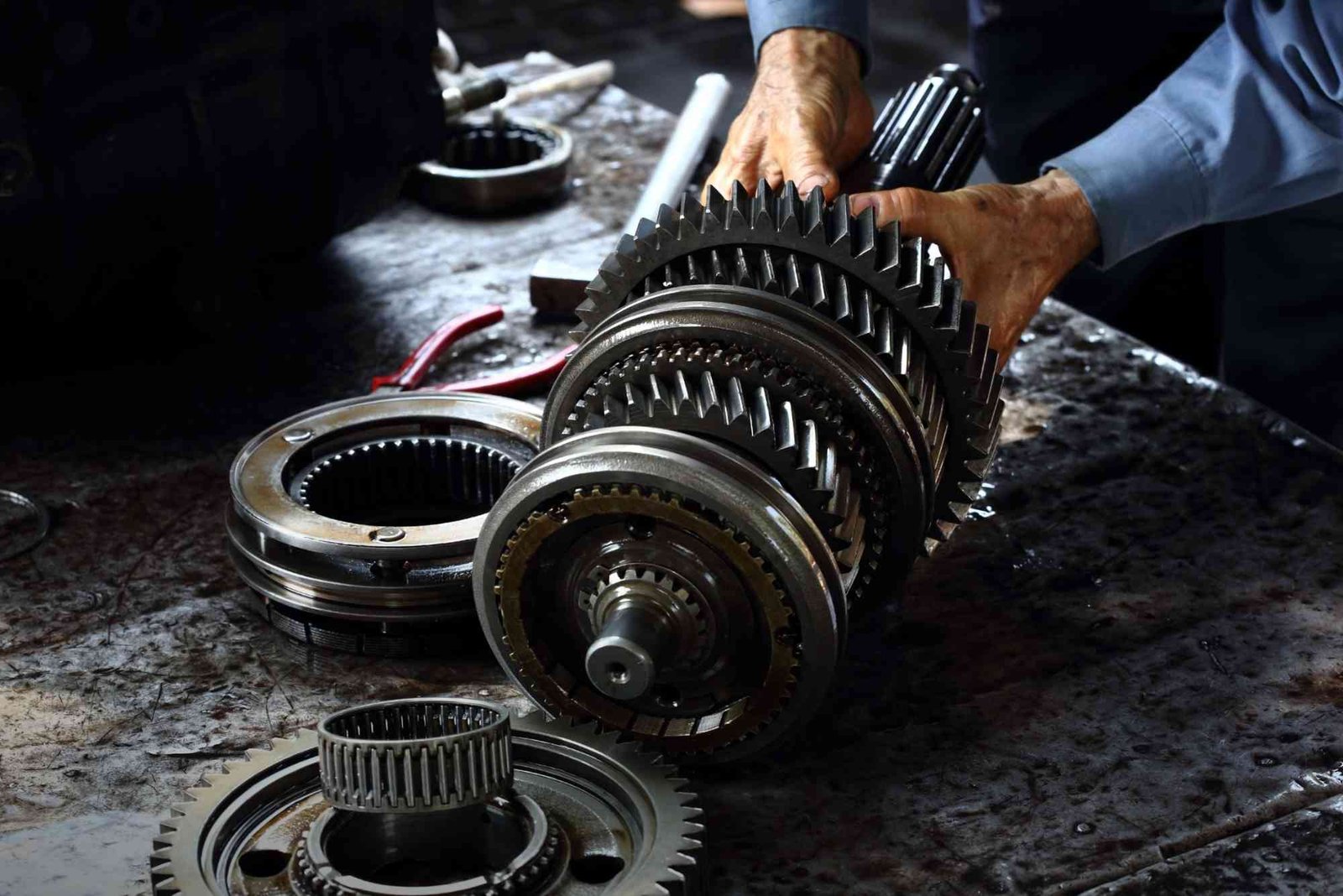
Your vehicle’s transmission is one of its most crucial components, responsible for transferring power from the engine to the wheels. When a transmission starts to fail, early detection is vital. Recognizing the warning signs can save you from costly repairs and dangerous driving situations. This guide will help you understand how to identify signs of transmission damage, what they mean, and what steps you should take if you notice them.
Understanding Transmission and Its Importance
The transmission in a car allows the engine to operate at various speeds while transferring power efficiently to the wheels. Whether your car has a manual or automatic transmission, any damage can lead to decreased performance, increased fuel consumption, and in severe cases, complete vehicle breakdown. Learning how to identify signs of transmission damage ensures that you can take preventive action before the problem escalates.
Common Indicators of Transmission Damage
Strange Noises While Driving
One of the first signs of transmission trouble is unusual noises. If you hear grinding, whining, or clunking sounds, it may indicate internal wear. Grinding often occurs when gears fail to mesh correctly due to worn or damaged components. Whining sounds can signal low transmission fluid or a failing pump, while clunking may indicate severe mechanical issues. Paying attention to these noises early can prevent further damage.
Slipping Gears
Slipping gears are a clear sign that your transmission is struggling. This happens when your car unexpectedly changes gears or feels like it loses power momentarily. You might notice the engine revving higher without an increase in speed. Gear slippage is often caused by worn clutch plates in manual transmissions or damaged bands in automatics. Ignoring this issue can lead to complete transmission failure.
Delayed or Rough Shifting
Smooth gear transitions are essential for safe driving. If your vehicle hesitates before shifting, shifts roughly, or jumps between gears, it may indicate transmission damage. This symptom is common in automatic transmissions, where worn valves, damaged solenoids, or low fluid levels can disrupt gear engagement. Manual transmissions can also show delayed shifting if the clutch or linkage is worn.
Leaking Transmission Fluid
Transmission fluid is critical for lubrication, cooling, and smooth gear operation. If you notice red or brown fluid under your car, it could indicate a leak. Low fluid levels reduce lubrication and increase friction, causing overheating and internal damage. Checking your transmission fluid regularly can help detect leaks early and prevent further harm.
Burning Smell
A burning odor, often resembling burnt toast or chemicals, is another indicator of transmission issues. This smell usually arises from overheating transmission fluid due to friction or contamination. Continuing to drive with overheated transmission fluid can cause extensive internal damage. Immediate attention is necessary when you detect this warning sign.
Warning Lights
Modern vehicles come with dashboard indicators for transmission problems. If the transmission warning light or check engine light illuminates, it is a sign of a potential issue. These sensors monitor temperature, fluid pressure, and other transmission functions. Ignoring these lights can lead to further complications, so a timely diagnostic check is recommended.
Poor Acceleration
If your car struggles to accelerate or feels sluggish despite pressing the gas pedal, transmission damage could be the cause. Slipping gears, worn components, or low fluid can prevent power from transferring efficiently from the engine to the wheels. Persistent poor acceleration should prompt a professional transmission inspection.
Vibrations or Shaking
Vibrations or shaking during gear changes or while the vehicle is moving may indicate internal transmission damage. This is often caused by worn gears, bearings, or fluid contamination. Smooth operation should be the standard, so any noticeable vibration warrants immediate evaluation.
Unusual Noises in Neutral
Even when the car is in neutral, strange noises like humming, whining, or grinding can suggest transmission issues. These sounds usually point to internal wear or fluid problems. Detecting problems while in neutral allows for safer troubleshooting before driving.
Fluid Discoloration or Contamination
Healthy transmission fluid is bright red or clear. Dark, cloudy, or foul-smelling fluid suggests contamination or overheating. This can result from metal shavings inside the transmission due to worn parts. Checking fluid regularly provides a clear early warning of transmission damage.
Steps to Take if You Notice Transmission Problems
Inspect and Check Fluid Levels
The first step is always to check the transmission fluid. Low or dirty fluid can cause many transmission issues. Ensure your vehicle is on a level surface and the engine is warm before checking. Refill or replace the fluid as recommended by the manufacturer.
Schedule a Professional Inspection
If symptoms persist despite fluid maintenance, a professional transmission inspection is essential. Mechanics can perform diagnostics to identify problems like worn gears, failing solenoids, or internal damage. Early intervention can save money and prevent a total transmission failure.
Avoid Aggressive Driving
While experiencing transmission issues, avoid rapid acceleration, hard braking, or towing heavy loads. Aggressive driving worsens internal damage and increases repair costs. Gentle driving reduces stress on the transmission and helps maintain safety.
Consider Timely Repairs
Minor issues can often be repaired without replacing the entire transmission. Repairing worn components, replacing fluid, or adjusting the clutch can restore functionality. Ignoring small problems often leads to costly transmission replacement.
Keep Up With Maintenance
Routine transmission maintenance, such as fluid changes, filter replacements, and inspections, is crucial. Preventive care ensures longer transmission life, better vehicle performance, and fewer unexpected repair bills.
Long-Term Implications of Ignoring Transmission Damage
Transmission damage doesn’t heal on its own. Ignoring early signs can lead to catastrophic failure, leaving your vehicle immobile and requiring a full transmission replacement. Costs for replacements are significantly higher than repairs, and neglecting maintenance can affect resale value. Timely identification and action are essential to avoid long-term damage.
Preventive Measures for Healthy Transmission
Regular maintenance is the best defense against transmission damage. Use manufacturer-recommended fluids, check for leaks frequently, and avoid overloading your vehicle. Additionally, pay attention to driving habits that can stress the transmission, such as frequent stop-and-go traffic, aggressive acceleration, or towing beyond the vehicle’s capacity.
Monitoring transmission performance allows drivers to identify minor issues before they escalate. By understanding common warning signs and following preventive measures, you ensure the transmission operates efficiently and prolongs the life of your vehicle.
Knowing how to identify signs of transmission damage is vital for every car owner. Unusual noises, slipping gears, delayed shifting, fluid leaks, burning smells, warning lights, and poor acceleration are all red flags. Early detection and timely professional intervention can save you thousands in repairs and ensure your vehicle remains safe and reliable. Don’t wait until minor issues become major problems. Keep your transmission in top shape with regular maintenance, attentive driving, and prompt repairs.
If you notice any of these warning signs in your vehicle, schedule a professional inspection immediately to avoid costly transmission failure. Taking action today ensures your car continues running smoothly and reliably for years to come.
The fastest cars legal on public roads combine extreme speed with everyday drivability. From sleek supercars to high-performance hypercars, these vehicles push the limits of engineering while remaining street-legal. They offer thrilling acceleration, top-end velocity, and advanced safety features, allowing drivers to experience unmatched performance responsibly. Owning one is a dream for car enthusiasts seeking both luxury and adrenaline on public roads.
FAQ
How do I know if my transmission is failing?
Listen for grinding or whining noises, check for fluid leaks, and watch for rough shifting or slipping gears. Dashboard warning lights also indicate potential issues.
Can low transmission fluid cause damage?
Yes, low or dirty transmission fluid increases friction, causes overheating, and can lead to severe internal damage. Regular checks are essential.
Is it safe to drive with transmission problems?
Driving with transmission issues is risky. Slipping gears, poor acceleration, or overheating fluid can lead to accidents or complete vehicle breakdown.
How much does it cost to repair a damaged transmission?
Repair costs vary depending on severity. Minor repairs can be a few hundred dollars, while complete replacements can reach thousands. Early detection reduces costs.
How often should I check my transmission fluid?
For most vehicles, check transmission fluid every 30,000 to 60,000 miles or as recommended by the manufacturer. Regular monitoring prevents unexpected damage.
Can transmission problems be prevented?
Yes, preventive maintenance, proper fluid use, gentle driving habits, and regular inspections help prevent transmission problems and extend its lifespan.