
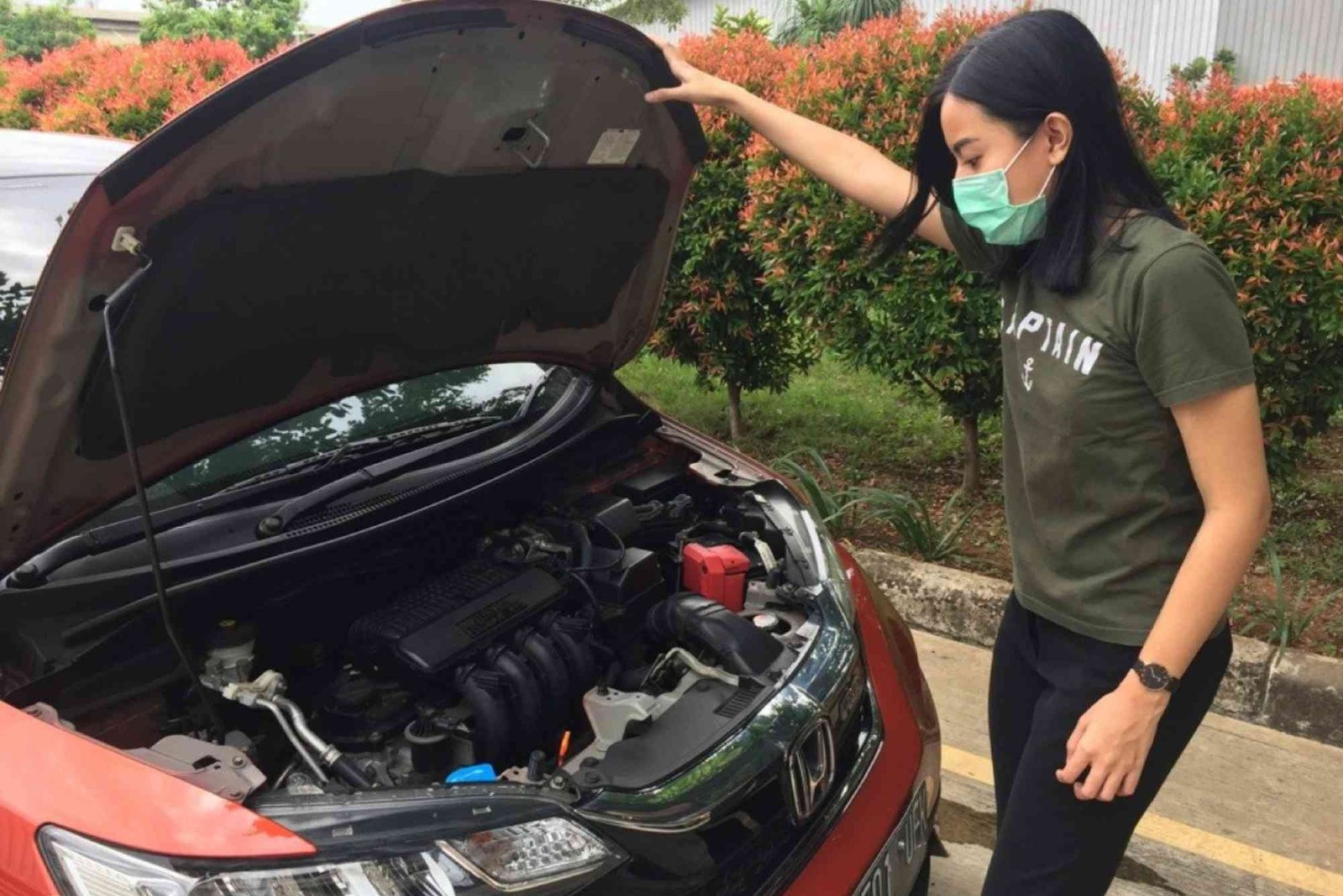
A car suddenly breaking down is never a pleasant experience, especially when you are in a hurry or on a quiet road. Knowing how to handle a car that suddenly breaks down properly can save you time, money, and even ensure your safety. In this guide, we’ll cover step-by-step strategies that any driver can understand and apply. You’ll learn how to face this emergency calmly, efficiently, and confidently.
This knowledge isn’t just theoretical; it’s practical information you may need in real life. Reading this article from start to finish will give you clear and realistic steps to deal with a stalled car without panicking. Let’s start by understanding the most common causes and their solutions.
Common Causes of a Car Suddenly Breaking Down
Identifying the cause of the breakdown is the first step in solving it. Cars can stop due to electrical issues, fuel problems, or mechanical failures. Understanding the source of the problem helps you choose the most effective solution quickly, reducing the time your vehicle is stranded.
Battery Problems
A weak or dead battery is one of the most common reasons a car suddenly stops. When the battery lacks enough power, the engine won’t start. Early signs, such as dim lights or a clicking noise when turning the key, should be addressed immediately. Always monitor your battery’s age and the condition of its terminals.
Ignition System Issues
The ignition system, including spark plugs, coils, and wiring, delivers electricity needed for combustion. If any part fails, the engine may not run properly, causing a sudden stall. This often happens in vehicles that haven’t been serviced for an extended period.
Fuel Problems
Fuel-related issues can occur when the tank is empty, the fuel filter is clogged, or the fuel pump fails. If fuel cannot reach the engine, the car loses power and may stall. This can happen suddenly, especially if the fuel gauge is inaccurate.
Cooling System Failures
Engines can shut down automatically when they overheat. If the cooling system cannot maintain the proper engine temperature, the car may turn off to prevent serious damage. Pay attention to sudden spikes on the temperature gauge.
Starter Motor Malfunction
The starter motor turns the engine when the key is turned. If the starter fails, the engine won’t start even if the battery and other systems are functioning. This is common in older vehicles or cars that are frequently used under heavy loads.
How to Handle a Car That Suddenly Breaks Down on the Road
After identifying possible causes, the next step is knowing how to handle a sudden breakdown safely. The right approach makes this emergency more manageable and keeps you and your passengers safe.
Stay Calm and Secure the Vehicle
The first thing to do is stay calm. Panicking makes it harder to think clearly. Slowly move the car to the shoulder if possible. Turn on hazard lights to alert other drivers that you are experiencing a problem.
Check Dashboard Indicators and Listen to the Engine
Once in a safe spot, check your dashboard for warning lights. Battery, engine, and temperature indicators can provide early clues about the issue. Listen carefully to any unusual sounds from the engine while attempting to restart the car. These cues can help diagnose the problem.
Inspect the Battery and Connections
If nothing seems obvious and the car won’t start, inspect the battery. Ensure the battery terminals are clean and tightly connected. If you have jumper cables or a portable jump starter, you can attempt a jump start from another vehicle safely.
Address Fuel System Issues
If the engine tries to start but stalls again, the problem may be fuel-related. Check the fuel gauge — you may simply be out of fuel. If the tank has fuel, the filter or fuel pump could be the issue. Replacing these parts requires tools and skill, so professional help might be needed.
Call for Professional Help
If all attempts fail, contact roadside assistance or a professional mechanic. This is especially important if the problem involves internal components, like the ignition system or engine mechanisms.
Safety Tips During a Breakdown
Safety is the top priority during a sudden breakdown. Ignoring precautions can lead to accidents or further damage.
Always turn on your hazard lights immediately to alert other drivers. Avoid stepping out of the car near moving traffic. If possible, stand in a safe area away from vehicles. Using a warning triangle behind your car can enhance visibility and safety.
Never work under the car without proper support. If you need to inspect underneath, ensure the surface is flat and use a jack with safety stands to prevent serious accidents.
Essential Tools to Keep in Your Car
Carrying basic tools can make handling a breakdown easier. Jumper cables or a portable jump starter are crucial for battery problems. A small toolkit with screwdrivers, wrenches, and pliers can help with minor repairs.
A flashlight is essential for night situations or dark areas. Gloves protect your hands when checking car components. Keep water and a jacket handy in case you have to wait for help.
Preventing a Sudden Breakdown
Prevention is the best way to avoid the stress of a sudden breakdown. Regular maintenance is key. Take your car to a workshop for routine checks, including battery, fuel, and cooling system inspections.
Pay attention to dashboard warnings and engine behavior while driving. Strange noises or vibrations should be addressed immediately rather than waiting for them to escalate. Keeping your car clean and well-maintained also allows mechanics to detect problems early.
Experiencing a sudden car breakdown is stressful, but with the right knowledge and preparation, you can handle it safely and efficiently. Always remain calm, secure the vehicle, and perform basic checks before deciding on the next steps. Having simple tools and understanding your car’s components will make emergencies much more manageable.
FAQ
How do I handle a car that suddenly breaks down on the road?
First, stay calm, turn on hazard lights, and move to a safe location. Check dashboard indicators and essential components like the battery or fuel before taking further action.
What causes a car to stall suddenly in the rain?
Rain can affect electrical components or wet spark plugs, preventing proper combustion. Keeping the ignition system dry and checking components regularly is important.
Can I fix a car breakdown myself?
Simple issues, such as a dead battery or empty fuel tank, can be handled personally. For internal engine or ignition problems, professional help is recommended to avoid further damage.
Tips for Renovating Car Interiors on a Tight Budget – Renovating a car interior doesn’t have to be expensive. Start by cleaning and repainting panels, replacing old seat covers with affordable materials, and adding small accessories like floor mats or LED lights. Opt for DIY fixes to save costs without compromising the look.