Introduction: Why Choosing the Right Blush Matters
Blush is one of the most transformative makeup products. The right color and texture can highlight your natural beauty, make your face appear fresh, and add dimension to your everyday makeup. However, not every blush suits every skin tone. Choosing the wrong one can make your face look dull or unnatural.
Understanding how to choose the right blush for your skin is essential for long-lasting makeup and achieving the desired effect. This article provides a complete guide to help you find the ideal blush according to your skin color, undertone, and texture preference.
Understanding Blush Types and Textures
Before choosing a blush, it’s important to know the different types and textures. Each texture produces a unique effect and has its advantages. Powder blush gives a matte finish and is ideal for oily skin. Cream blush is more moisturizing, offering a natural dewy finish, perfect for dry skin. Gel and tint blushes create a natural, long-lasting flush, great for a light, fresh look.
Knowing the texture helps you pick a product that suits your daily needs and skin type. The right blush makes application easier and ensures your makeup looks professional without much effort.
Matching Blush Color to Your Skin Tone
Choosing a blush color that matches your skin tone is crucial. The wrong color can make your face look pale or overly bold.
Fair Skin
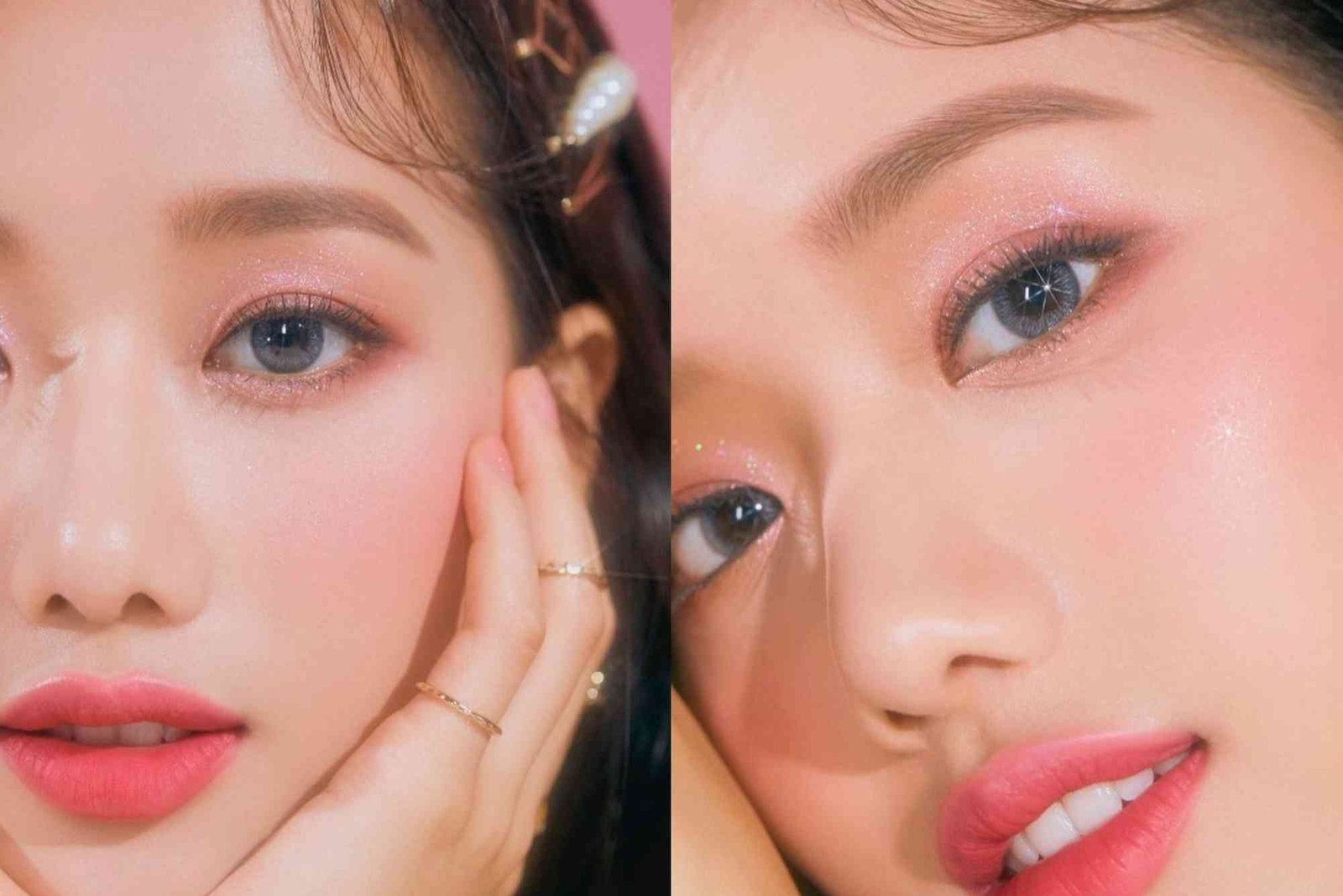
Fair skin works best with soft shades like peach, light pink, or coral. These colors give a fresh, natural look without overwhelming your face. Dark shades should be avoided as they can make your face appear heavy or aged.
Medium Skin
For medium or olive-toned skin, apricot, terracotta, or warm pink shades are ideal. These hues enhance skin warmth and give a radiant, natural glow. Blush with subtle shimmer can add extra dimension to the cheeks.
Dark Skin
Deep or dark skin looks amazing with bold shades like berry, plum, or bright orange. These colors make cheeks pop and bring vibrancy. Pale shades should be avoided, as they may not be visible on darker skin.
Considering Your Skin Undertone
Besides skin tone, undertone also affects blush selection. Skin undertones are generally cool, warm, or neutral.
Cool Undertone
People with cool undertones often have pink or bluish undertones. Blush shades like pink, rose, and mauve complement this undertone. Avoid orange or yellow tones, which can look harsh.
Warm Undertone
Warm undertones show yellow or golden hints. Peach, coral, and bronze blushes highlight warmth naturally. These shades help your makeup blend seamlessly.
Neutral Undertone
Neutral undertones are versatile and can wear nearly any blush shade. Choose colors that balance your skin for a natural look.
Choosing Blush Texture Based on Skin Needs
Blush texture affects both the finish and wear of your makeup.
Powder Blush
Powder blush is easy to apply and ideal for oily skin because it absorbs excess oil. It’s perfect for quick, everyday makeup.
Cream Blush
Cream blush provides a fresh, dewy effect. It’s great for dry skin because it adds moisture. Cream blush can be blended with fingers or a sponge for a smooth finish.
Gel and Tint Blush
Gel or tint blushes are perfect for a natural, long-lasting look. They mimic a flush caused by body temperature, giving cheeks a subtle, natural color.
Tips for Applying Blush Correctly
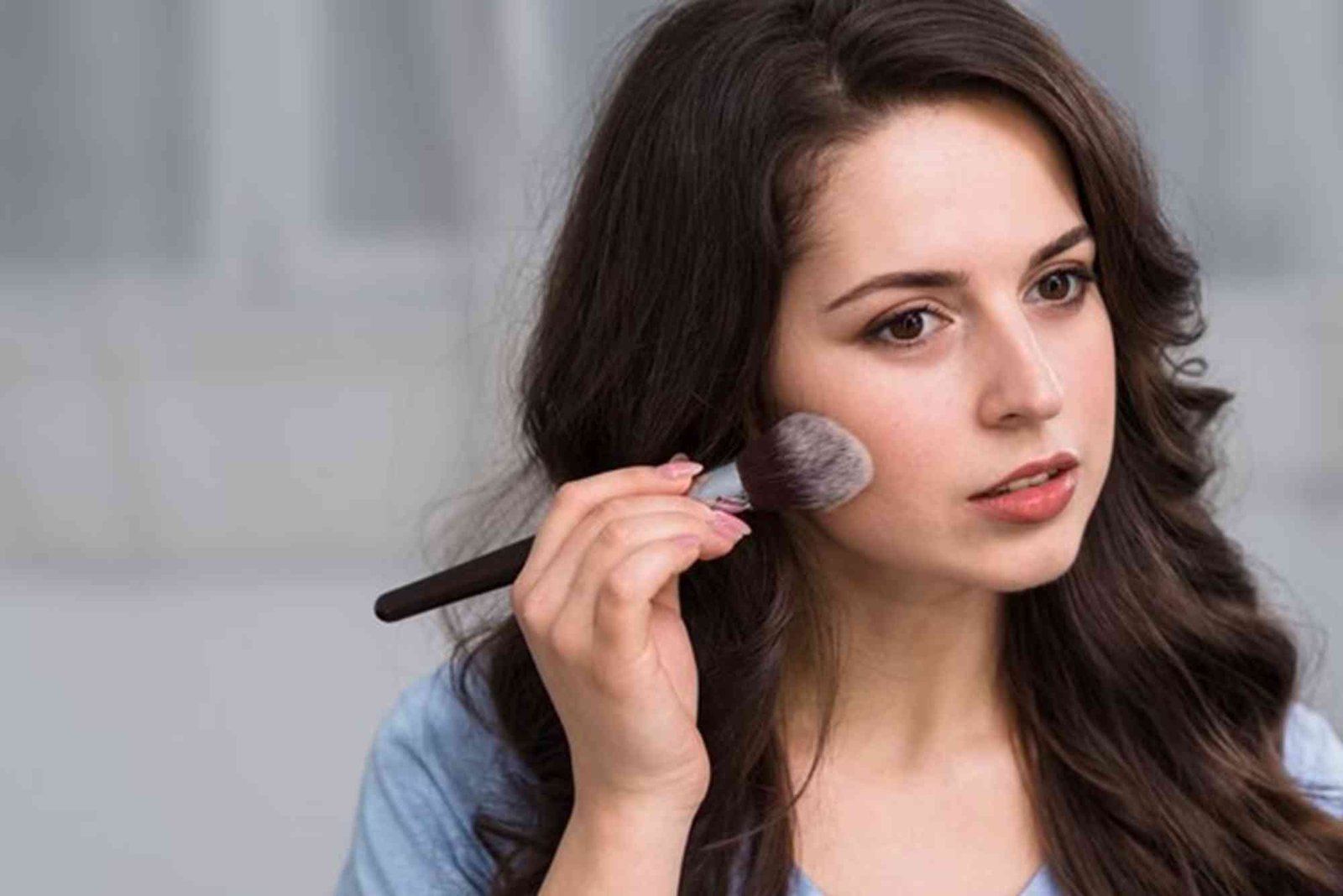
Application technique is just as important as product selection. Start with a small amount and build intensity gradually. Apply blush on the area that naturally rises when you smile. Blend in circular motions toward the temples for a seamless look.
Combining blush with highlighter or bronzer can add dimension to your face. Avoid over-applying to keep your makeup fresh and light.
Simple Outfit for Hanging Out with Friends – When hanging out, looking relaxed yet stylish is key. Choose a lightweight t-shirt or shirt paired with jeans or chinos. Comfortable sneakers complete the casual look. Add simple accessories like a watch or cap for a personal touch without overdoing it. Relaxed, comfy, still chic!
Common Mistakes When Choosing Blush
Common mistakes include picking colors based on trends rather than skin tone, ignoring texture and skin type, or applying too much product. By understanding your skin tone, undertone, and blush type, these errors can be avoided. The result is a fresh, healthy, and professional-looking face.
Finding Your Perfect Blush
Choosing the right blush is not just about aesthetics but enhancing your natural beauty. From understanding skin color and undertone to selecting the right texture and application method, every factor matters.
FAQ – Common Questions About Blush
Can all skin types use cream blush?
Cream blush works best for dry skin because it adds moisture and a dewy finish. Oily skin can use cream blush if set with translucent powder.
How do I choose blush for medium skin?
Pick warm shades like apricot, coral, or terracotta to enhance warmth and create a radiant glow.
Powder blush vs cream blush – which lasts longer?
Powder blush lasts longer on oily skin. Cream blush gives a natural finish but may fade faster without setting.
Can I use more than one blush color at the same time?
Yes, blending shades can add dimension. Ensure the colors complement your skin tone and undertone.
Can blush replace bronzer?
Not entirely. Blush focuses on adding color to the cheeks, while bronzer adds contour and dimension.