
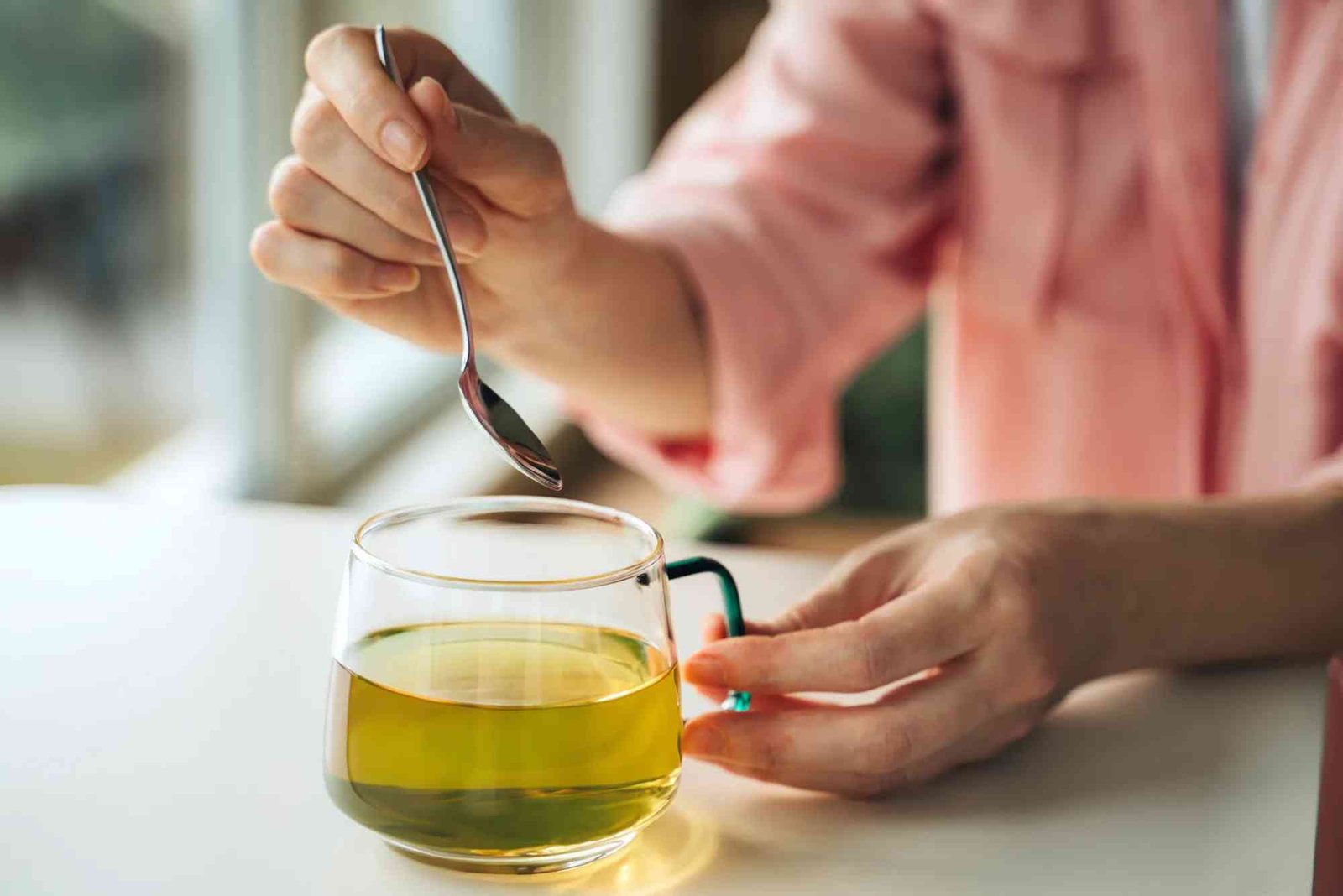
Introduction
Tea is more than just a beverage; it is a ritual, a source of comfort, and a way to support overall wellness. With countless options available in stores and online, selecting the right tea can be overwhelming. Learning how to choose healthy and quality tea ensures you get the full benefits, taste, and aroma while avoiding additives and low-grade leaves.
Understanding the Basics of Tea
Tea originates from the leaves of the Camellia sinensis plant. The main varieties—green, black, white, oolong, and herbal—offer different flavors, health benefits, and caffeine levels. Knowing the basic types helps you choose a tea that fits your needs. Green tea is renowned for antioxidants, black tea offers robust flavors and heart health benefits, white tea is delicate with a mild caffeine content, and herbal teas provide soothing effects without caffeine.
The quality of tea depends on several factors, including leaf maturity, processing method, and freshness. Whole leaves usually offer better flavor and more nutrients than broken or powdered forms. Avoid teas with excessive dust or fannings as they often indicate lower quality.
Reading Labels and Ingredients
When choosing tea, reading the label is crucial. A high-quality tea should list the source, type of tea, and ingredients clearly. Organic certifications indicate that the tea is grown without harmful pesticides or chemicals. Avoid products with artificial flavors, colors, or preservatives. Natural additives like dried fruits, spices, or flowers can enhance flavor without compromising health benefits.
Pay attention to the origin of the tea as well. Regions like Darjeeling, Assam, Sri Lanka, and China are known for high-quality teas. Single-origin teas are often more reliable in quality than blends labeled vaguely.
Evaluating Tea Appearance and Aroma
Visual and sensory inspection can reveal much about tea quality. Healthy tea leaves usually have a vibrant color, whether deep green, bright white, or rich brown. Avoid leaves that appear dull, broken, or dusty. The aroma should be fresh and inviting, reflecting the natural fragrance of the leaves or added ingredients. A musty or stale smell may indicate old or poorly stored tea.
For loose-leaf teas, check for uniformity. Large, whole leaves generally produce a smoother taste and retain more antioxidants. The presence of stems or excessive broken leaves can affect flavor. When it comes to tea bags, high-quality options may contain whole leaves rather than dust, providing a better brew.
Understanding Health Benefits
One of the main reasons people drink tea is for its health benefits. High-quality teas can boost immunity, improve digestion, reduce stress, and support heart health. Green and white teas are rich in catechins and antioxidants that fight free radicals. Black tea contains polyphenols that aid cardiovascular health, while herbal teas like chamomile and peppermint provide calming and digestive benefits.
Avoid teas with added sugars or artificial flavorings if your goal is health. Even natural-sounding additives may reduce the overall benefits. Focus on pure, well-processed teas that allow their natural compounds to shine.
Brewing Techniques for Maximum Quality
The way you brew tea significantly affects its flavor and health benefits. Water temperature, steeping time, and the type of teapot all play roles. Green and white teas require lower temperatures, around 70–80°C, to prevent bitterness, while black and oolong teas can withstand boiling water. Herbal teas often need longer steeping to release their full flavor.
Use clean, filtered water for the best taste. Avoid metal containers that can react with tea compounds and alter flavor. Loose-leaf tea often provides a better brewing experience than tea bags, allowing leaves to expand fully and release their nutrients.
Tips for Storing Tea
Even the highest quality tea loses its flavor and benefits if stored improperly. Keep tea in airtight containers away from sunlight, heat, and moisture. Avoid plastic packaging that may transfer unwanted odors; tin or glass containers work best. Store different types of tea separately to prevent flavors from mixing.
Use tea within six to twelve months of purchase for optimal freshness. While some black and oolong teas can age well, green and white teas are best consumed sooner. Proper storage preserves aroma, color, and antioxidants.
Avoiding Common Mistakes
A common mistake is choosing tea based on marketing alone. Bright packaging, “detox” labels, or celebrity endorsements do not guarantee quality or health benefits. Another pitfall is overbrewing, which can produce a bitter taste and reduce beneficial compounds.
Some tea drinkers overlook caffeine content. Even herbal teas can contain stimulants like yerba mate or guayusa. Understanding your caffeine tolerance ensures a pleasant experience without unwanted side effects.
How to Identify Authentic Tea
Authenticity matters when choosing quality tea. Look for certifications such as Fair Trade or Rainforest Alliance, which indicate ethical sourcing and careful production. Single-origin teas often provide more reliable quality than mass-produced blends.
Tasting tea before committing to a large purchase can prevent disappointment. Many specialty tea shops offer small samples. Experienced tea sommeliers can guide you toward high-quality choices based on flavor, aroma, and health profile.
The Role of Flavor Profiles
Quality tea provides a balance of aroma, taste, and texture. A good green tea should taste fresh and slightly grassy, while a black tea may have malty or fruity notes. White tea offers delicate sweetness, and oolong presents complex flavors that change over multiple infusions. Herbal blends should taste natural without overpowering artificial notes.
Experimenting with flavors can help you find a tea you truly enjoy. Combining taste with health benefits ensures a satisfying and mindful tea experience.
Choosing healthy and quality tea is a blend of knowledge, observation, and personal preference. Understanding tea types, reading labels, inspecting leaves, and mastering brewing techniques ensures a satisfying cup every time. Prioritize natural ingredients, freshness, and trusted sources to fully enjoy the health benefits tea offers.
Start your journey today by exploring high-quality loose-leaf teas, experimenting with flavors, and discovering the tea that suits your body and taste. Remember, tea is not just a drink—it is an experience.
Choosing the right products for active children can make a big difference in their safety, development, and fun. Look for durable, non-toxic materials, age-appropriate designs, and items that encourage physical activity and creativity. Reading reviews and checking safety certifications ensures reliability. Prioritize products that support energy, learning, and healthy habits to keep your child engaged and thriving. Tips for Choosing Consumer Products for Active Children.
FAQ
How can I tell if tea is fresh?
Fresh tea has vibrant leaves, a pleasant aroma, and no musty smell. Whole leaves indicate better quality than broken pieces.
Is loose-leaf tea better than tea bags?
Yes. Loose-leaf tea allows leaves to expand, releasing more flavor and nutrients than most tea bags.
Can I drink tea for health benefits every day?
Moderate consumption of high-quality tea supports wellness. Avoid overconsumption, especially of caffeinated teas.
What are the healthiest types of tea?
Green, white, and herbal teas are often healthiest due to high antioxidants, low caffeine, and natural ingredients.
How should I store tea to maintain quality?
Keep tea in airtight containers, away from light, heat, and moisture. Consume within 6–12 months for optimal flavor and benefits.