
Introduction
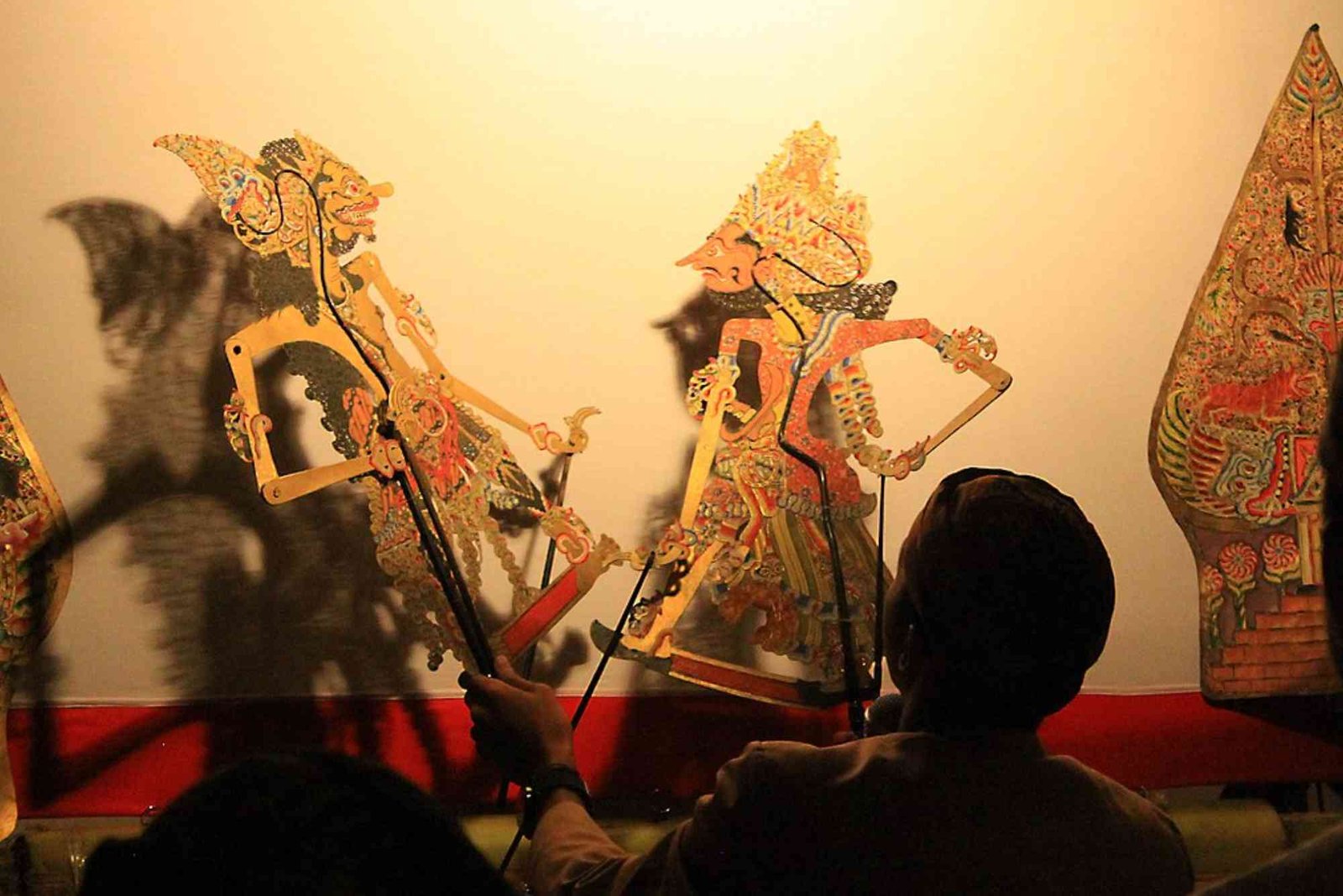
Local culture is the heartbeat of a nation, reflecting its history, traditions, arts, and collective identity. In an era of rapid globalization, preserving these unique cultural expressions has become more critical than ever. Governments worldwide recognize that cultural heritage not only strengthens national identity but also boosts tourism, supports local economies, and fosters social cohesion. This article delves into the various government efforts in preserving local culture, exploring policies, programs, and initiatives that aim to keep traditions alive for future generations.
The Importance of Preserving Local Culture
Strengthening National Identity
Local culture embodies the shared values, customs, and practices of a community. By preserving cultural heritage, governments help citizens connect with their roots, fostering a strong sense of national identity. Cultural festivals, traditional arts, and historical sites are tangible reminders of a nation’s rich past.
Promoting Tourism and Economic Growth
Cultural heritage is a powerful driver of tourism. Government programs that preserve historic sites, traditional crafts, and local performances attract both domestic and international tourists. This not only generates revenue but also creates employment opportunities for artisans, performers, and cultural guides.
Encouraging Social Cohesion
Culture unites people across generations. By promoting local traditions and arts, governments help communities maintain continuity and a shared sense of belonging. This cohesion reduces social fragmentation and strengthens the social fabric.
Key Government Initiatives to Preserve Local Culture
Policy Development and Legal Protection
Cultural Heritage Laws
Many governments enact laws to protect intangible and tangible cultural heritage. For example, legislation may safeguard historic buildings, traditional festivals, or indigenous practices from commercialization or neglect. Legal frameworks often include penalties for violations, ensuring long-term preservation.
Funding and Grants
Government funding plays a crucial role in cultural preservation. Grants for museums, cultural centers, and artist residencies help maintain traditional crafts and performing arts. These programs support local communities in safeguarding their cultural expressions while also encouraging innovation within traditional frameworks.
Education and Cultural Awareness
Incorporating Culture in School Curricula
Educational programs that integrate local history, language, and art promote awareness from an early age. Students learn about traditional music, dance, and storytelling, instilling pride in their heritage. Governments often collaborate with cultural experts to design curriculum that reflects the richness of local traditions.
Public Awareness Campaigns
Beyond schools, governments organize campaigns, workshops, and exhibitions to educate the public about cultural heritage. These initiatives highlight the significance of preserving traditions and encourage community participation.
Support for Arts and Traditional Crafts
Craft Preservation Programs
Traditional crafts such as weaving, pottery, and wood carving are often at risk of disappearing. Government initiatives provide training, certification, and financial support to artisans. For instance, some programs connect local artisans with international markets, ensuring economic sustainability for traditional crafts.
Cultural Centers and Museums
Cultural centers and museums serve as repositories of local history and art. Governments fund these institutions to collect, preserve, and display cultural artifacts. Such spaces also offer workshops and events that actively engage the public in cultural activities.
Promotion of Cultural Tourism
Festivals and Events
Governments frequently organize festivals celebrating local music, dance, and cuisine. These events not only attract tourists but also provide a platform for local artists to showcase their talents. Examples include traditional harvest festivals, folk music concerts, and regional food fairs.
Heritage Sites and Eco-Tourism
Preserving historic landmarks and natural sites enables communities to benefit from cultural and eco-tourism. Government investments in infrastructure, signage, and guided tours make cultural exploration accessible and sustainable.
Collaboration with Local Communities
Participatory Approaches
Effective preservation requires active community involvement. Governments encourage local participation by forming cultural councils, advisory boards, and volunteer programs. These structures empower communities to document traditions, maintain heritage sites, and pass knowledge to younger generations.
Indigenous and Minority Culture Support
Governments often implement programs specifically designed to protect the cultural heritage of indigenous or minority groups. Support may include language revitalization programs, recognition of indigenous land rights, and financial aid for cultural activities.
Challenges in Cultural Preservation
Globalization and Modernization
While globalization promotes cultural exchange, it can also threaten local traditions. Young generations may adopt global lifestyles, leading to the gradual erosion of indigenous practices. Governments must balance modernization with preservation efforts.
Limited Funding and Resources
Cultural preservation often competes with other public priorities. Insufficient funding can limit the reach of programs or compromise the quality of conservation efforts. Sustainable models, including public-private partnerships, are increasingly important.
Climate Change and Urbanization
Natural disasters, climate change, and urban development pose risks to heritage sites. Governments face the challenge of protecting both cultural and environmental assets, requiring strategic planning and proactive conservation measures.
Success Stories Around the World
Japan’s Intangible Cultural Heritage
Japan has successfully preserved traditional arts such as kabuki, tea ceremonies, and calligraphy through government recognition and certification programs. Local communities receive support to maintain these practices, ensuring they are passed to future generations.
India’s Cultural Preservation Programs
India’s Ministry of Culture implements numerous initiatives, from promoting folk music and dance to restoring historical monuments. Programs like “National Mission on Cultural Mapping” identify and support local cultural expressions across the country.
Europe’s Heritage Preservation
Countries like Italy and France protect historical architecture and traditional festivals through strict laws and active public engagement. Cultural tourism is a central pillar of these preservation strategies, blending economic development with heritage protection.
The Role of Technology in Cultural Preservation
Digital Archives and Databases
Governments are increasingly using digital technology to document and preserve cultural heritage. Digital archives store music, literature, photographs, and oral histories, making them accessible to both scholars and the public.
Virtual Tours and Interactive Platforms
Virtual reality (VR) and augmented reality (AR) enable people worldwide to experience cultural sites and festivals digitally. Government-sponsored platforms allow for immersive learning experiences, increasing engagement with local traditions.
Social Media Campaigns
Social media provides a global stage for local culture. Governments and cultural organizations use platforms like Instagram, YouTube, and TikTok to showcase traditional music, dance, and crafts, attracting younger audiences and fostering cultural pride.
Preserving local culture is not merely an act of nostalgia—it is an investment in national identity, social cohesion, and economic growth. Through policies, education, community engagement, and technological innovation, governments play a pivotal role in safeguarding cultural heritage. However, successful preservation requires collaboration between government, communities, and individuals. By supporting these initiatives, we ensure that the richness of local traditions endures for generations to come.
FAQs
Why is preserving local culture important?
Preserving local culture strengthens national identity, supports economic growth through tourism, and fosters social cohesion among communities.
How do governments preserve traditional crafts?
Governments provide funding, training, and market access for artisans, ensuring the sustainability of traditional crafts.
What role do schools play in cultural preservation?
Schools incorporate local history, language, and arts into curricula, helping students learn and value their cultural heritage from a young age.
Can technology help preserve local culture?
Yes, digital archives, VR tours, and social media campaigns allow cultural traditions to be documented, shared, and experienced widely.
What challenges do governments face in preserving culture
Globalization, limited funding, urbanization, and climate change are major challenges that require innovative solutions to protect cultural heritage.
The Role of the Government in Regional Economic Development: Governments play a key role in boosting regional economies by creating policies that attract investment, improving infrastructure, supporting local businesses, and ensuring access to education and technology. Effective governance helps reduce disparities and promotes balanced growth across regions.