
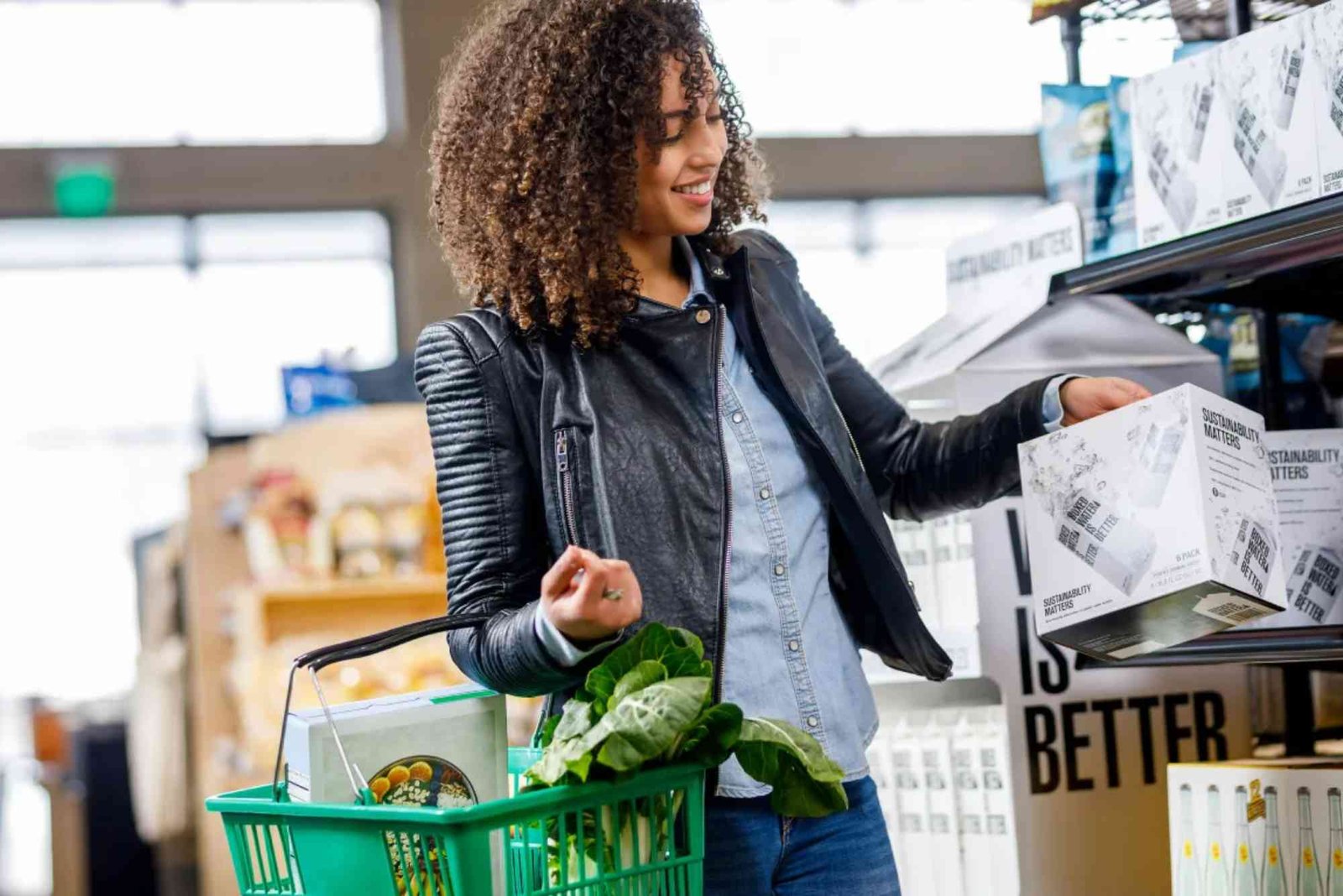
Fast-Moving Consumer Goods, or FMCG products, are items that people purchase frequently and consume quickly. These products, ranging from snacks and beverages to personal care items and household essentials, play a critical role in everyday life. Consumers tend to gravitate toward FMCG products that offer convenience, quality, and reliability, creating a constant demand. Understanding which FMCG products are most sought after helps businesses optimize their offerings and marketing strategies while enabling consumers to make informed choices.
FMCG products are typically low-cost and high-volume, making them an essential part of consumer behavior studies. People often buy these products repeatedly, driven by brand loyalty, availability, and perceived value. The most sought-after FMCG products share common characteristics, such as consistent quality, convenience, appealing packaging, and familiarity. They not only satisfy immediate needs but also contribute to building long-term consumer trust. Brands that consistently deliver on these attributes become favorites in the market and are more likely to maintain consumer preference over competitors.
Why Consumers Prefer Certain FMCG Products
Consumers are influenced by several factors when choosing FMCG products. One primary factor is convenience. Products that save time, are easy to use, and readily available in stores or online are highly favored. For instance, ready-to-eat meals, packaged snacks, and bottled beverages cater to busy lifestyles and attract repeat purchases. Similarly, personal care items such as soaps, shampoos, and toothpaste are selected based on their ease of use and accessibility. When products are conveniently packaged and widely distributed, they naturally become top choices for consumers.
Another key factor is brand reliability. Consumers often stick to brands that have consistently provided satisfactory performance over time. This trust is particularly significant in categories like dairy, health, and hygiene products. A brand that guarantees quality and safety, for example, milk powder or baby care products, tends to retain a loyal customer base. Additionally, packaging that highlights product benefits and creates an emotional connection with the consumer further strengthens brand preference.
Price and value perception also play a crucial role. Consumers often evaluate the cost relative to the product’s quality, utility, and benefits. FMCG products that balance affordability with quality tend to be more popular. For example, mid-range personal care products that provide noticeable results without a hefty price tag attract a wide demographic. Value-driven purchasing decisions contribute to the ongoing demand for specific FMCG items, especially in price-sensitive markets.
The Role of Innovation in FMCG Popularity
Innovation is a significant driver in the FMCG sector. Consumers are increasingly looking for products that not only meet their needs but also offer unique experiences or improvements. This can include health-focused snacks, eco-friendly packaging, or multi-functional household products. Innovative FMCG items often capture attention, stimulate curiosity, and encourage trial purchases. Brands that consistently introduce new or improved versions of their products gain a competitive edge and often become favorites among consumers who appreciate novelty and quality.
Marketing strategies also enhance the appeal of FMCG products. Engaging advertisements, social media campaigns, and influencer endorsements can significantly influence consumer behavior. When marketing effectively communicates the benefits and differentiates products from competitors, it strengthens brand recognition and consumer preference. For example, campaigns emphasizing sustainability, natural ingredients, or cultural relevance resonate with modern consumers, creating strong loyalty for specific FMCG items.
Daily Essentials That Drive Continuous Demand
Certain FMCG products are inherently indispensable because they fulfill everyday needs. Food and beverages, hygiene products, and household cleaning items are categories with consistent consumption patterns. These products are integral to daily life, making them continuously sought after. Snacks, beverages, and convenience foods are particularly popular for their portability and time-saving benefits. Meanwhile, personal care essentials like toothpaste, soap, and deodorants remain constant purchases due to hygiene considerations. Household cleaning products, detergents, and disinfectants also see regular demand, reflecting their essential role in maintaining a clean and healthy living environment.
Consumer preferences within these categories are shaped by a combination of taste, effectiveness, and brand reputation. For instance, beverages with consistent flavor, nutritional benefits, and attractive packaging are often preferred. Similarly, personal care items that deliver promised results, are gentle on the skin, and carry familiar scents become household staples. The ongoing demand for such essentials underscores the importance of quality, reliability, and availability in sustaining consumer interest.
FMCG and Consumer Lifestyle Trends
Lifestyle trends have a profound impact on FMCG consumption patterns. As more consumers adopt busy, fast-paced lives, products that offer convenience, portability, and quick results become increasingly sought after. Health-conscious lifestyles drive demand for nutritious snacks, low-sugar beverages, and organic or natural personal care items. Sustainability trends also influence preferences, with consumers favoring eco-friendly packaging, recyclable materials, and ethically sourced ingredients. FMCG brands that align their offerings with these lifestyle trends often experience higher demand and stronger consumer loyalty.
Moreover, digital shopping behavior is shaping FMCG consumption. With the rise of e-commerce and mobile shopping apps, consumers now prioritize products that are easily accessible online and available for home delivery. FMCG products that are featured prominently on digital platforms and supported by positive reviews tend to attract more buyers. Online convenience has become an important factor in determining which products are consistently sought by consumers.
The Psychological Aspect of FMCG Choice
Beyond practical needs, psychological factors influence FMCG preferences. Familiarity and nostalgia often drive purchases, as consumers gravitate toward brands they have known for years. Packaging design, color schemes, and product presentation also evoke emotional responses that can affect buying decisions. Consumers often associate certain FMCG brands with quality, trustworthiness, and comfort, which strengthens their preference. Limited-time offers, seasonal editions, or exclusive variants create excitement and encourage repeated purchases. These psychological triggers play a critical role in shaping long-term consumer loyalty.
Peer influence and social proof also matter in FMCG product selection. Recommendations from friends, family, or online communities can sway consumers toward specific products. Positive word-of-mouth and online ratings increase confidence in choosing certain brands, reinforcing their popularity. Consequently, products that consistently receive favorable reviews and social endorsements often achieve higher demand and market penetration.
FMCG products that are consistently sought by consumers share several key qualities: convenience, quality, brand reliability, innovation, and alignment with lifestyle trends. Daily essentials such as food, beverages, personal care, and household items dominate consumer purchases due to their indispensable nature. Psychological factors, peer influence, and effective marketing further enhance product appeal, making certain FMCG items household favorites. Understanding these dynamics is essential for both brands and consumers. Brands can leverage these insights to develop products that meet evolving needs and sustain market demand, while consumers can make informed decisions about the products that best suit their lifestyles. As the FMCG landscape continues to evolve, the preference for reliable, convenient, and innovative products will remain central to consumer behavior.
Consumers who stay informed about trending FMCG products can enjoy high-quality, dependable items while brands benefit from loyalty and repeat purchases. Exploring and choosing the right products ensures a seamless daily experience and fosters a satisfying shopping journey. Stay ahead of the curve by exploring top FMCG products that match your lifestyle and preferences. Choose reliable brands that combine quality, convenience, and innovation for a better daily experience.
Discover the insights and solutions in Challenges of the Food Industry in the Modern Era. This article explores modern food industry obstacles, from supply chain issues to sustainability, providing valuable knowledge for professionals and enthusiasts navigating today’s dynamic market.
FAQs
What are FMCG products and why are they popular?
FMCG products are fast-moving consumer goods that are purchased frequently and consumed quickly. Their popularity comes from convenience, affordability, and consistent quality.
Which FMCG categories see the most demand?
Food and beverages, personal care items, and household cleaning products see the highest and most consistent demand among consumers.
How does brand loyalty affect FMCG choices?
Consumers often stick to trusted brands because of reliability, quality, and emotional connection, which strengthens repeat purchases.
Why is innovation important for FMCG products?
Innovation attracts attention, encourages trial, and differentiates products, making them more appealing in competitive markets.
How do lifestyle trends influence FMCG consumption?
Trends like health consciousness, sustainability, and digital shopping affect the types of FMCG products consumers prefer and consistently seek.