
Introduction
Car tires are one of the most critical components of a vehicle, ensuring safety, performance, and efficiency. Despite their importance, many drivers often face the issue of tires wearing out faster than expected. Understanding the causes of car tires wearing out quickly is essential not only to extend their lifespan but also to maintain driving safety and reduce long-term costs. While tires naturally wear over time, excessive or uneven wear often signals underlying problems.
Understanding Tire Wear
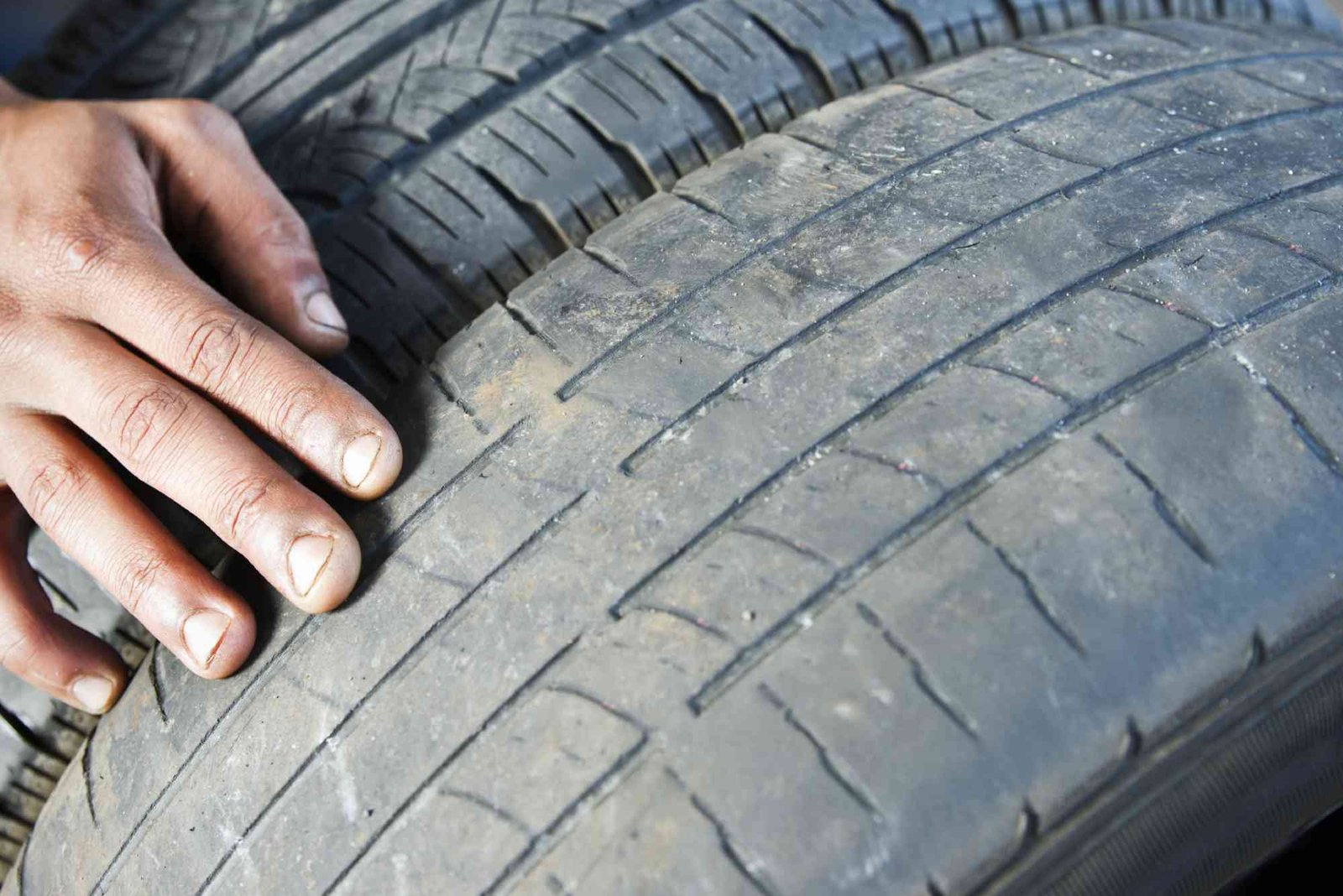
Tire wear refers to the gradual thinning of the tread layer due to contact with the road. The tread is designed to provide grip, channel water, and enhance stability. When it wears down too fast, the risk of accidents increases, and performance deteriorates. Not all tire wear is equal—drivers may notice bald spots, uneven edges, or excessive smoothness in certain areas. Each pattern provides clues about the underlying cause, making it essential to identify the reason before replacing tires.
Driving Habits and Their Impact
Driving behavior has a direct impact on how quickly tires wear out. Aggressive driving, such as frequent hard braking, sudden acceleration, and sharp cornering, puts additional stress on tires. Rapid starts and stops cause tread layers to heat up and degrade faster, while taking corners aggressively increases pressure on the outer edges. Even if your tires are premium quality, driving habits alone can reduce their life significantly. Over time, repeated strain leads to uneven wear, requiring early replacement.
Improper Tire Inflation
One of the most common causes of car tires wearing out quickly is incorrect tire pressure. Under-inflation increases friction between the tire and the road, causing heat buildup and accelerated tread wear, especially on the outer edges. Over-inflation, on the other hand, reduces contact with the road and wears down the center of the tire. Both conditions not only shorten tire life but also affect fuel efficiency and handling. Regularly checking and adjusting tire pressure is a simple yet highly effective way to prevent premature wear.
Wheel Alignment Issues
Misaligned wheels can significantly accelerate tire wear. When the wheels are not aligned properly, tires experience uneven pressure distribution, causing certain areas of the tread to wear faster than others. Common signs include one-sided wear, vibration during driving, or pulling to one side. Wheel alignment should be checked periodically, especially after hitting potholes, curbs, or experiencing suspension impacts. Proper alignment ensures even tire contact with the road, reducing wear and improving vehicle stability.
Suspension Problems
A vehicle’s suspension system plays a crucial role in distributing weight and absorbing shocks from the road. Worn-out shocks, struts, or other suspension components can result in uneven tire contact and abnormal wear patterns. For example, failing shocks may cause tires to bounce excessively, creating cupping or scalloped wear. Drivers often overlook suspension problems until tires show visible signs of damage, making early inspection essential. Maintaining the suspension system not only prolongs tire life but also ensures a smoother, safer ride.
Tire Rotation and Maintenance
Neglecting tire rotation is another major reason tires wear out quickly. Each tire bears a different load depending on its position, leading to faster wear on certain tires. Regular rotation, usually every 5,000 to 8,000 miles, helps distribute wear evenly. In addition to rotation, routine maintenance such as balancing and inspecting for punctures or damage is crucial. Well-maintained tires perform better, last longer, and provide consistent traction, making routine care a worthwhile investment.
Road Conditions and Environmental Factors
The quality of the roads you drive on has a major influence on tire longevity. Rough, uneven, or pothole-filled roads increase tire stress, leading to quicker wear. Frequent driving on gravel or unpaved roads can also damage the tread and sidewalls. Environmental factors like extreme temperatures, direct sunlight, and exposure to chemicals or oils can degrade tire rubber. Cold weather can make tires stiff and brittle, while excessive heat accelerates oxidation, both reducing lifespan. Being mindful of road conditions and minimizing harsh driving environments can slow wear considerably.
Overloading the Vehicle
Every tire is designed to carry a specific maximum load. Consistently exceeding this limit puts excessive pressure on the tires, resulting in accelerated tread wear and potential blowouts. Overloaded vehicles also strain the suspension and affect handling, increasing safety risks. Understanding your vehicle’s weight limits and distributing cargo properly helps prevent tire damage while maintaining stability on the road.
Tire Quality and Type
Not all tires are created equal. Lower-quality tires or those not suitable for specific driving conditions wear out faster. For instance, summer tires on rough terrain or winter tires in hot climates can degrade quickly. Premium tires often offer longer tread life due to better rubber compounds and design. Choosing the right tire type for your vehicle, climate, and driving style is crucial to maximizing lifespan and preventing premature wear.
Driving Speed and Highway Use
Consistently driving at high speeds can generate more heat and friction, which accelerates tire wear. High-speed driving particularly affects tires on the front axle, as they handle steering and directional stability. While occasional highway driving is unlikely to cause major issues, frequent high-speed driving without proper maintenance can significantly shorten tire life. Monitoring speed and adjusting driving style for long trips can help preserve tire health.
Identifying Early Signs of Tire Wear
Recognizing early signs of tire wear allows timely intervention and prevents more severe problems. Common indicators include uneven tread patterns, excessive vibration, reduced traction on wet roads, and visible sidewall cracks. Checking tread depth using a gauge or the penny test ensures compliance with safety standards. Ignoring these signs often leads to dangerous driving conditions and increased costs due to premature replacement. Regular inspections are a simple yet effective preventive measure.
Car tires are essential for safety, comfort, and performance, yet many drivers overlook the factors that contribute to rapid wear. Understanding the causes of car tires wearing out quickly—from driving habits, improper inflation, wheel alignment issues, suspension problems, and road conditions to overloading, tire type, and high-speed driving—can make a significant difference. Proactive maintenance, careful driving, and selecting the right tires ensure longer lifespan and safer journeys. Taking small, consistent actions today can save money and prevent accidents tomorrow.
If you want your tires to last longer and perform better, start by checking tire pressure regularly, rotate your tires, and inspect alignment and suspension. Prioritize safety and invest in quality tires designed for your vehicle and driving conditions. Your tires—and your safety—will thank you.
For drivers navigating uneven or challenging terrains, choosing the Best Car for Rough Roads is essential. These vehicles offer durable suspension, high ground clearance, and reliable traction to handle bumps, mud, and rocky paths with ease. Whether for daily commutes or off-road adventures, selecting a car built for rough conditions ensures safety, comfort, and performance, making every journey smoother and more enjoyable.
FAQ
Why are my car tires wearing out faster than usual?
Tires may wear quickly due to under- or over-inflation, poor alignment, worn suspension, aggressive driving, or low-quality tires.
How can I prevent uneven tire wear?
Regular tire rotation, proper inflation, wheel alignment checks, and suspension maintenance help maintain even wear.
Does overloading my vehicle affect tire life?
Yes. Exceeding the tire’s weight limit increases friction, heat, and stress, leading to faster wear.
How often should I rotate my tires?
Most experts recommend rotating tires every 5,000 to 8,000 miles to ensure even wear.
Can road conditions really damage tires quickly?
Yes. Driving on rough, uneven, or pothole-filled roads accelerates tread wear and may damage tire sidewalls.