
Introduction
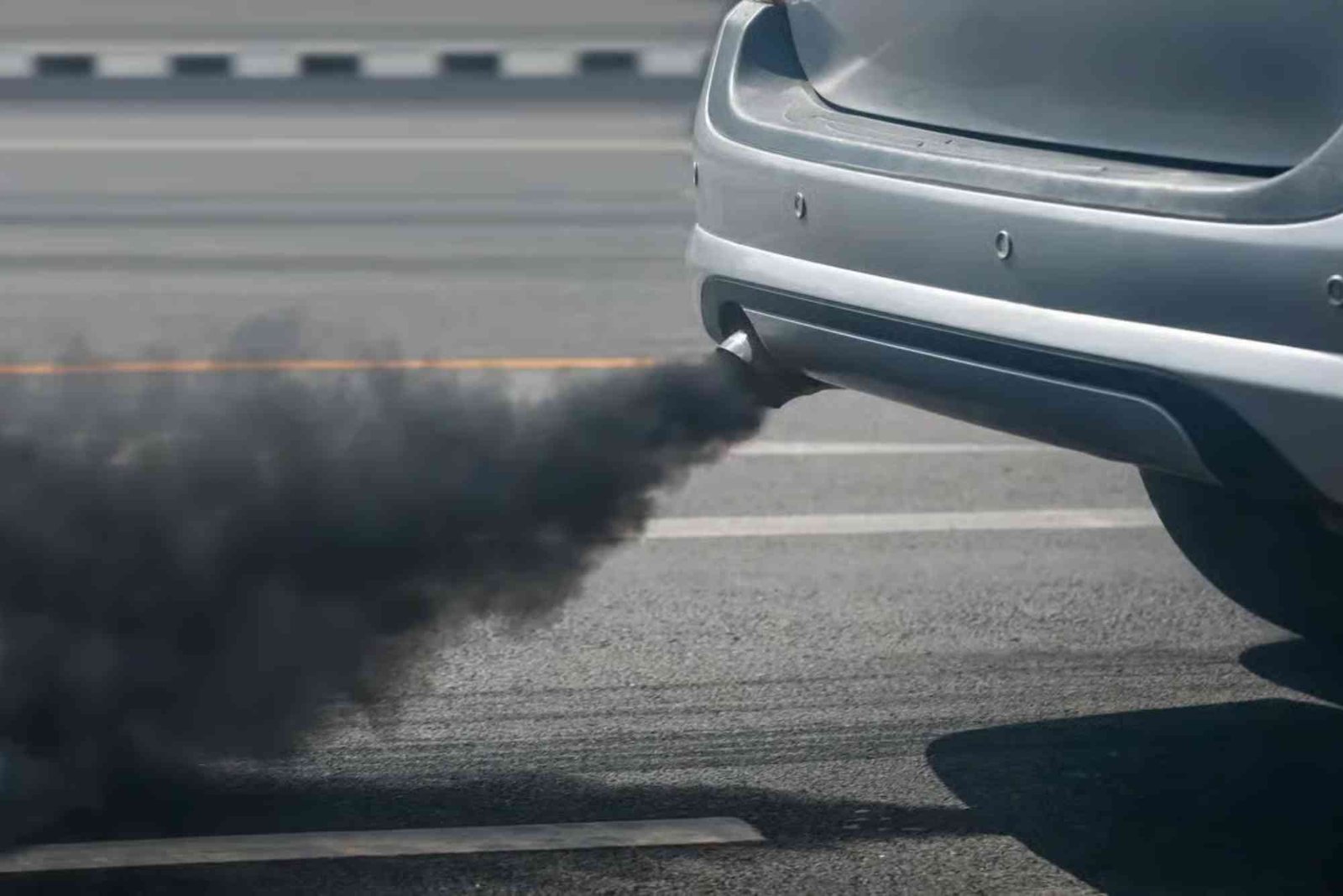
Seeing black smoke coming from your car’s exhaust can be alarming. It is often a clear sign that something in your vehicle’s engine or fuel system is not functioning correctly. Understanding the causes of car exhaust emitting black smoke is essential for both vehicle performance and environmental safety. Black smoke is usually the result of incomplete combustion, which occurs when there is too much fuel and not enough air in the engine. This imbalance can arise from multiple issues, ranging from fuel system problems to engine malfunctions. Identifying the root cause early can prevent costly repairs, improve fuel efficiency, and reduce harmful emissions.
What Does Black Smoke Indicate?
Black smoke from the exhaust is typically linked to excessive fuel burning. Unlike blue smoke, which suggests oil burning, or white smoke, which indicates coolant leakage, black smoke usually points to a fuel-related issue. It signifies that the engine is receiving more fuel than it can burn efficiently. When this happens, carbon particles form and exit through the exhaust, creating the characteristic black smoke. Frequent black smoke not only reduces fuel economy but also contributes to environmental pollution. Therefore, understanding its causes and addressing them promptly is crucial for vehicle health and road safety.
Common Causes of Car Exhaust Emitting Black Smoke
Faulty Fuel Injectors
Fuel injectors are responsible for delivering the right amount of fuel into the combustion chamber. If injectors are clogged, leaking, or malfunctioning, they can spray excess fuel, leading to incomplete combustion. Dirty injectors often result from low-quality fuel or accumulated deposits over time. Symptoms include rough idling, poor acceleration, and black smoke during acceleration or high load conditions. Replacing or cleaning faulty fuel injectors often resolves the issue.
Malfunctioning Turbocharger
In turbocharged engines, the turbocharger forces extra air into the combustion chamber to improve power and efficiency. If the turbocharger fails, it may not supply sufficient air, causing an over-fueling scenario. This results in black smoke, especially when accelerating. Turbo failures can stem from worn bearings, oil leaks, or clogged intercoolers. Timely inspection and maintenance are essential to prevent extensive engine damage.
Dirty Air Filters
The air filter is critical for maintaining the correct air-to-fuel ratio. A clogged or dirty air filter reduces airflow into the engine, leading to incomplete combustion. This condition forces the engine to burn more fuel than necessary, producing black smoke. Regular air filter replacement is a simple but effective solution that can prevent further engine strain and maintain fuel efficiency.
EGR (Exhaust Gas Recirculation) System Issues
The EGR system recirculates a portion of exhaust gases back into the engine to reduce nitrogen oxide emissions. When the EGR valve is stuck or clogged, it can disrupt the air-fuel mixture, causing the engine to run rich. This imbalance often leads to black smoke, particularly at low speeds or idle. Cleaning the EGR valve or replacing faulty components can restore normal engine performance.
Fuel System Problems
Fuel pumps, fuel filters, and pressure regulators all play a role in maintaining the proper fuel flow to the engine. A malfunctioning fuel pump or a clogged fuel filter can cause irregular fuel delivery, resulting in excess fuel in the combustion chamber. Similarly, a faulty fuel pressure regulator may allow too much fuel into the engine. Regular maintenance of the fuel system ensures a balanced fuel supply, preventing black smoke and engine inefficiency.
Engine Timing Issues
Proper engine timing ensures that fuel injects at the right moment for efficient combustion. If the timing is off due to a worn timing belt, chain, or sensor malfunction, the fuel may not burn completely. This incomplete combustion produces black smoke and reduces engine power. Diagnosing timing issues often requires professional inspection, as incorrect adjustments can cause severe engine damage.
Overloading the Engine
Driving conditions also affect smoke emission. Frequent towing of heavy loads, aggressive acceleration, or prolonged uphill driving can force the engine to burn more fuel. While occasional black smoke may be normal under extreme conditions, consistent smoke indicates an underlying problem. Ensuring your engine is not overloaded and driving responsibly can reduce the occurrence of black smoke.
Low-Quality or Wrong Fuel
Fuel quality significantly impacts combustion. Using low-octane or contaminated fuel can prevent proper ignition, causing unburned fuel to exit as black smoke. Diesel engines are particularly sensitive to fuel quality, where poor diesel can lead to excessive soot formation. Always use the recommended fuel type and quality to maintain engine efficiency and reduce emissions.
Environmental and Engine Consequences
Continuous emission of black smoke has serious consequences. Excessive soot contributes to air pollution, which affects human health and the environment. From an engine perspective, unburned fuel can coat critical components like the turbocharger, valves, and spark plugs, leading to decreased performance and potential long-term damage. Moreover, excessive black smoke can trigger failed emission tests, fines, and regulatory penalties in areas with strict environmental laws.
How to Prevent Black Smoke from Car Exhaust
Preventing black smoke begins with regular vehicle maintenance. Routine checks and timely replacement of air filters, fuel injectors, and spark plugs are fundamental. Using high-quality fuel and adhering to manufacturer-recommended service intervals helps maintain optimal engine performance. For turbocharged vehicles, periodic inspection of the turbocharger ensures proper airflow and combustion. Additionally, monitoring engine load and driving habits plays a crucial role in preventing over-fueling conditions.
Advanced engine diagnostics can also detect early signs of fuel system or EGR issues before black smoke becomes noticeable. Modern vehicles with onboard diagnostic systems (OBD-II) can alert drivers to abnormal fuel mixture or sensor malfunctions. Addressing these alerts promptly can save costly repairs and improve fuel efficiency.
Signs You Should Not Ignore
Black smoke should never be ignored, as it usually indicates that the engine is operating inefficiently. Other warning signs that often accompany black smoke include poor fuel economy, rough idling, engine misfires, or loss of power. If these symptoms are present, it is advisable to seek professional inspection. Mechanics can use diagnostic tools to check fuel injectors, EGR valves, turbochargers, and sensors to pinpoint the exact cause of black smoke. Timely intervention prevents further engine damage and ensures your vehicle runs cleanly and efficiently.
Black smoke from your car’s exhaust is more than a cosmetic issue. It signals underlying problems with fuel delivery, combustion, or engine components. Understanding thecauses of car exhaust emitting black smoke allows you to take preventive measures, maintain fuel efficiency, and reduce harmful emissions. Routine maintenance, quality fuel, and timely professional inspection are key to keeping your vehicle running smoothly. Don’t ignore black smoke; act promptly to protect your car and the environment. Schedule a checkup with a trusted mechanic today to diagnose and resolve the issue before it escalates.
Indon.id is a growing digital platform that delivers reliable insights, practical guides, and up-to-date information across multiple categories to support everyday users and online businesses. Whether you are searching for trending topics, in-depth articles, or helpful resources, visit our Indon digital resource hub to explore well-researched content designed to inform, engage, and add real value to your online experience.
FAQ
Why is my car emitting black smoke when accelerating?
Black smoke during acceleration is often caused by over-fueling due to faulty fuel injectors, turbocharger issues, or a clogged air filter.
Can dirty air filters cause black smoke?
Yes, a dirty air filter restricts airflow, resulting in an imbalanced fuel-to-air ratio, which produces black smoke.
Is black smoke from a diesel car normal?
Some black smoke may appear briefly in diesel engines during heavy acceleration, but persistent smoke indicates fuel system or engine issues.
How can I stop my car from emitting black smoke?
Regular maintenance, using high-quality fuel, inspecting fuel injectors, air filters, and EGR systems can prevent black smoke.
Does black smoke damage my engine?
Continuous black smoke can coat engine components with carbon deposits, reduce performance, and lead to expensive repairs.