
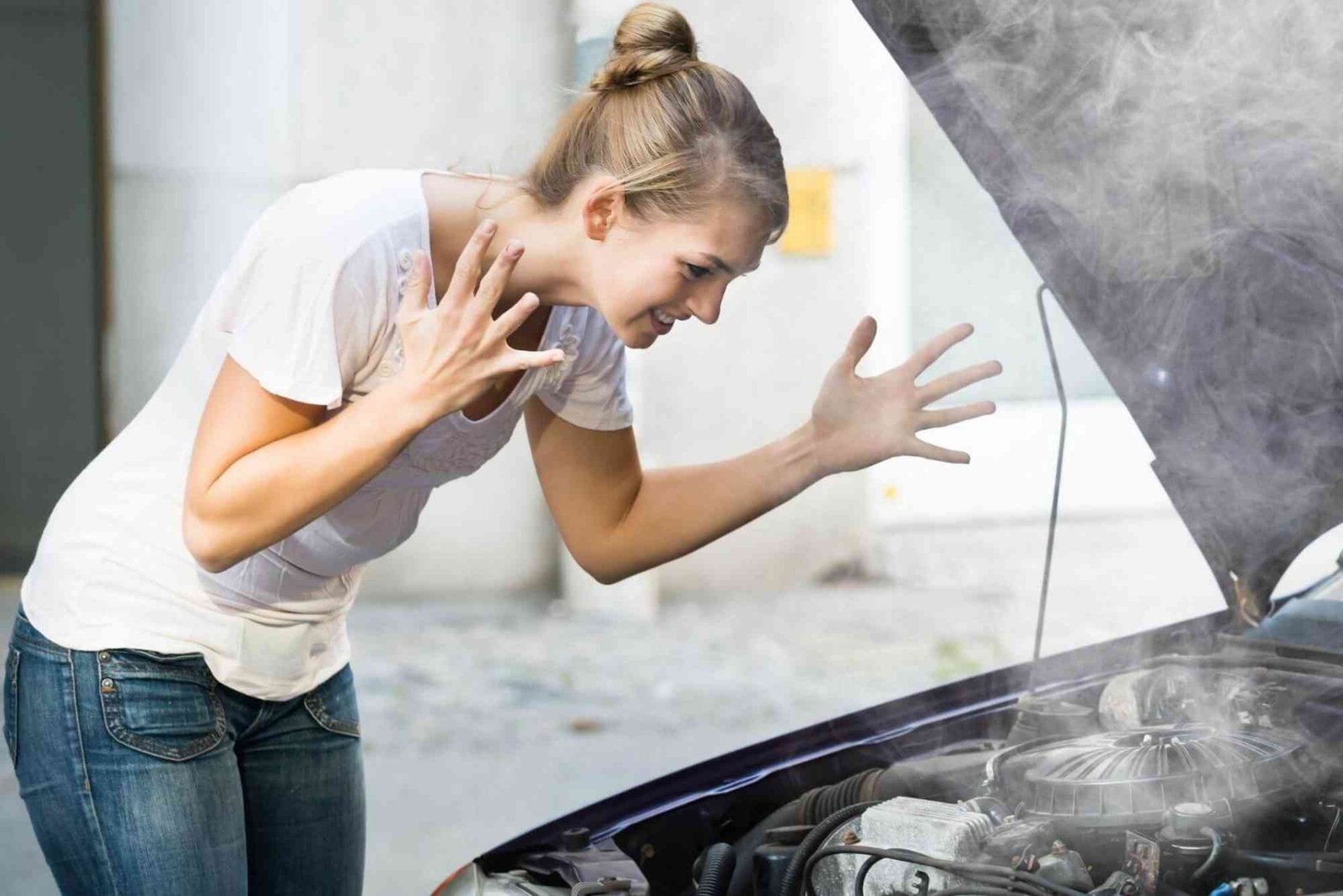
Car Radiator Overheating: Causes, Solutions, and Prevention
Car radiator overheating is one of the most common and serious vehicle problems drivers face. When the cooling system fails to regulate engine temperature, performance drops and damage can occur quickly. Understanding Car Radiator Overheating: Causes, Solutions, and Prevention helps you protect your engine and avoid costly repairs.
A radiator plays a vital role in maintaining safe engine temperatures. It removes excess heat from the coolant and keeps the engine running smoothly. If it fails, overheating symptoms appear almost immediately. Early detection and proper maintenance reduce risk and improve vehicle lifespan.
In this guide, we explain why overheating happens, how to fix it, and how to prevent it in the future. The focus keyword appears throughout to ensure clear SEO relevance and practical value for readers.
Introduction to Car Radiator Overheating
Modern engines generate high heat during operation. The cooling system controls that heat through coolant circulation, hoses, a thermostat, and the radiator. When any part of this system fails, temperature rises rapidly.
Car radiator overheating can happen during traffic jams, long drives, or heavy load conditions. Sometimes it appears suddenly. Other times, warning signs develop slowly over weeks.
Ignoring early symptoms leads to warped cylinder heads, blown gaskets, or complete engine failure. That is why understanding root causes and practical solutions is essential for every driver.
Main Causes of Car Radiator Overheating
Several mechanical and environmental factors contribute to overheating. Identifying the real cause makes repairs more effective.
Low coolant levels are one of the most common reasons. Coolant absorbs heat from the engine and transfers it to the radiator. When levels drop due to leaks or evaporation, heat cannot dissipate properly. As a result, temperature rises quickly.
Leaks in the radiator, hoses, or water pump also trigger overheating. Small cracks may go unnoticed at first. Over time, they expand and allow coolant to escape. Inspecting visible components regularly helps detect leakage early.
A faulty thermostat can block coolant flow. The thermostat regulates when coolant moves through the radiator. If it sticks closed, hot coolant stays trapped inside the engine. This causes sudden temperature spikes.
Clogged radiator fins and internal blockages reduce cooling efficiency. Dirt, rust, and debris restrict airflow and coolant circulation. Vehicles operating in dusty or harsh environments face higher risk.
Radiator fan failure is another major cause. The fan pulls air through the radiator to cool the fluid. If the motor burns out or electrical wiring fails, heat builds up quickly, especially at low speeds.
A broken water pump disrupts coolant circulation. Without proper flow, heat cannot transfer from the engine to the radiator. Strange noises or coolant leaks near the pump often indicate failure.
Sometimes, air pockets inside the cooling system cause overheating. Air blocks smooth coolant movement and reduces heat transfer efficiency. Improper refilling after repairs often creates this issue.
Key Symptoms to Watch For
Recognising warning signs early prevents serious damage. Temperature gauge readings above normal levels indicate trouble.
Steam coming from under the hood is a clear sign of overheating. It means coolant is boiling inside the system. Pull over safely and shut off the engine immediately.
A strong burning smell may appear when engine components overheat. This often happens when coolant leaks onto hot surfaces or when engine oil becomes extremely hot.
Dashboard warning lights provide early alerts. Modern vehicles include temperature indicators or engine warning signals. Never ignore these warnings.
Coolant puddles under the vehicle suggest leaks. Inspect the ground after parking. Green, orange, or pink fluid usually indicates coolant loss.
Engine misfires or reduced power sometimes occur during overheating. High temperatures affect combustion efficiency and internal components.
Effective Solutions for Car Radiator Overheating
Fixing overheating depends on identifying the exact problem. Quick action reduces repair costs and prevents further damage.
Refilling coolant is the simplest solution when levels are low. Always use the recommended coolant type for your vehicle. Mix it properly with water according to manufacturer instructions.
Repairing leaks requires professional inspection. Mechanics use pressure testing to locate hidden cracks or damaged hoses. Replacing faulty components restores system integrity.
Replacing a stuck thermostat improves coolant flow. This is a relatively affordable repair. A new thermostat ensures proper temperature regulation and smooth circulation.
Cleaning clogged radiators improves airflow and heat dissipation. External cleaning removes dirt from fins. Internal flushing removes rust and sediment buildup inside channels.
Fixing or replacing a damaged radiator fan restores cooling efficiency. Electrical testing identifies motor or relay problems. Once repaired, the fan should activate automatically at high temperatures.
Replacing a failing water pump resolves circulation problems. If bearings wear out or seals break, coolant flow decreases. Installing a new pump restores normal function.
Bleeding air from the cooling system eliminates trapped air pockets. Mechanics use special valves or procedures to remove air safely. Proper bleeding ensures consistent coolant movement.
Preventive Maintenance Tips
Prevention is always better than repair when it comes to car radiator overheating. Regular maintenance reduces unexpected breakdowns.
Check coolant levels frequently, especially before long trips. Monitoring levels helps detect slow leaks early. Top up fluid if necessary and inspect for signs of contamination.
Schedule routine radiator inspections. Professionals examine hoses, clamps, and seals for wear. Early detection prevents small issues from turning into expensive repairs.
Flush the cooling system according to manufacturer recommendations. Over time, coolant loses effectiveness and accumulates debris. Flushing restores optimal performance.
Keep the radiator clean from dirt and debris. Washing the front grille area improves airflow. Avoid blocking airflow with aftermarket accessories.
Replace coolant at recommended intervals. Old coolant loses anti-corrosion properties and reduces heat transfer efficiency. Fresh coolant protects internal metal components.
Monitor engine temperature during driving. If the gauge rises unusually, reduce speed and turn off air conditioning. Taking immediate action prevents overheating damage.
Avoid overloading your vehicle in extreme heat. Heavy loads increase engine stress and heat production. Plan travel carefully during hot weather conditions.
Impact of Ignoring Overheating Problems
Ignoring car radiator overheating issues can lead to severe engine damage. High temperatures warp metal components and damage seals.
Head gasket failure is one of the most expensive consequences. Repairing or replacing a blown gasket requires major engine disassembly.
Cylinder head cracks may develop under prolonged overheating. These cracks reduce compression and affect engine performance.
Engine oil breakdown occurs when temperatures rise excessively. Oil loses lubrication properties and increases friction between moving parts.
Ultimately, repeated overheating shortens engine lifespan. Regular inspection and prompt repair save money and extend vehicle durability.
Professional Diagnosis and Repair
Sometimes DIY fixes are not enough. Professional mechanics use advanced tools to diagnose complex cooling system failures.
They perform pressure tests to identify hidden leaks. Thermal imaging cameras detect temperature variations across radiator surfaces.
Diagnostic scanners read engine temperature sensors and system error codes. These tools provide accurate insight into underlying issues.
Professional repair ensures long-term reliability. Skilled technicians replace damaged parts with quality components and test system performance after repair.
Choosing experienced service providers guarantees proper handling of overheating problems. Their expertise reduces the risk of recurring failures.
Cost Considerations
Repair costs depend on the severity of damage. Simple coolant top-ups are inexpensive. Major repairs involving radiator replacement or water pump installation cost more.
Preventive maintenance is cheaper than major engine repairs. Investing in regular inspections reduces long-term expenses.
Using quality parts also improves durability. Cheap replacement components may fail quickly and create repeat problems.
Compare service quotes from trusted workshops. Transparent pricing ensures fair service and quality workmanship.
If you’re looking for Safe Tips for Buying a Used Car, it’s important to research the vehicle history, check its condition carefully, and verify all legal documents before making a purchase. Always inspect the engine, mileage, tyres, and interior for any hidden issues. Taking a trusted mechanic with you for inspection and arranging a test drive can help you make a confident decision and avoid future repair costs.
Frequently Asked Questions
What causes car radiator overheating most often?
Low coolant levels and leaks are the most common causes. Faulty thermostats and broken fans also contribute significantly.
Can I drive my car if it is overheating?
Driving while overheating can damage the engine quickly. Stop safely and allow the engine to cool before checking coolant levels.
How do I know if my radiator is clogged?
Signs include rising temperature, reduced heater performance, and poor airflow. A professional flush usually confirms blockage.
How often should coolant be replaced?
Most manufacturers recommend replacement every two to five years. Check your vehicle manual for exact intervals.
Does air in the cooling system cause overheating?
Yes, trapped air blocks coolant circulation. Proper bleeding removes air pockets and restores efficiency.
Why does overheating happen during traffic?
Low-speed driving reduces airflow through the radiator. If the fan fails, temperature rises rapidly in traffic.
Car radiator overheating: causes, solutions, and prevention should never be ignored. A healthy cooling system protects your engine and ensures smooth performance.
Understanding common causes like low coolant, leaks, thermostat failure, and fan problems helps you act quickly. Applying proper solutions restores system balance and prevents major damage.
Regular maintenance remains the best prevention strategy. Inspect coolant levels, clean the radiator, and service components on time.
If you notice overheating symptoms, take immediate action. Contact a professional mechanic for accurate diagnosis and repair.
Protect your engine today by staying proactive. Schedule a cooling system inspection and avoid expensive repairs in the future.