Introduction
When it comes to navigating rough roads, not all cars are created equal. Choosing the best car for rough roads requires understanding what makes a vehicle capable of handling uneven surfaces, potholes, and off-road conditions without compromising comfort or safety. Many drivers underestimate the importance of suspension, ground clearance, and traction systems, which are crucial for ensuring a smooth ride in challenging conditions. Whether you frequently travel on gravel roads, rural areas, or uneven city streets, selecting the right car can significantly affect your driving experience, maintenance costs, and overall safety.
Understanding What Makes a Car Ideal for Rough Roads
Before exploring specific features, it is important to understand what defines a car’s capability on rough terrain. The best car for rough roads is not necessarily the most powerful vehicle but one designed to handle shocks, vibrations, and variable traction efficiently.
Suspension System
The suspension system absorbs shocks from uneven surfaces, keeping the cabin stable and comfortable. Cars with reinforced or adaptive suspension perform better on rough roads, reducing wear on other components and minimizing driver fatigue during long trips.
Ground Clearance
Higher ground clearance allows vehicles to pass over rocks, potholes, and bumps without damaging the undercarriage. Vehicles with low ground clearance tend to scrape their bottom on uneven terrain, making them unsuitable for rough roads.
Traction and Drivetrain
Traction is essential when tires encounter loose gravel, mud, or sand. Vehicles with four-wheel drive or all-wheel drive distribute power to multiple wheels, preventing slippage and improving control. While front-wheel drive can handle mild uneven roads, AWD or 4WD systems are preferable for consistent performance in rough conditions.
Tire Design
Tires play a crucial role in road handling. All-terrain tires or specialized off-road tires provide better grip and durability than standard tires. These tires resist punctures and improve traction on loose or rocky surfaces.
Engine Performance and Torque
A car may not need extreme horsepower to tackle rough roads, but sufficient torque is essential. Torque helps vehicles climb steep inclines, move through muddy paths, and recover from slow-speed obstacles. Vehicles with moderate power and high torque often outperform highly powered sports cars on uneven terrain.
Comfort and Safety on Rough Roads
Rough roads can be jarring, and driving for extended periods may cause discomfort or strain. Therefore, the best car for rough roads balances durability with comfort.
Cabin Comfort
Vehicles equipped with ergonomic seats, adjustable suspension, and noise insulation provide a smoother ride, even on bumpy roads. A comfortable cabin reduces stress for drivers and passengers alike.
Safety Features
Safety remains a priority for any road condition. Advanced braking systems, stability control, and traction control are crucial for preventing accidents on slippery or uneven surfaces. Some vehicles also include off-road assistance features like hill descent control and off-road mode, making them more reliable on challenging paths.
Reliability and Maintenance
Durability is a significant factor when selecting a car for rough roads. Frequent exposure to poor road conditions can increase wear and tear, so choosing a vehicle with a strong build and a reputation for reliability helps minimize maintenance costs. Steel chassis and reinforced components often make a car more resilient.
Driving Conditions and Terrain Considerations
Understanding the terrain you will encounter is essential when selecting the best car for rough roads. Gravel, mud, sand, and potholes each present unique challenges that influence vehicle choice.
Urban Rough Roads
City streets may include potholes, speed bumps, and uneven pavement. While these roads are less extreme than rural tracks, they still require vehicles with good suspension and shock absorption. Compact SUVs or crossovers often excel in urban rough conditions due to their manageable size and reinforced suspension systems.
Rural and Countryside Roads
Rural roads often include unpaved sections, rocks, and mud. Vehicles with higher ground clearance, AWD or 4WD, and durable tires are ideal. Pickup trucks and larger SUVs are common choices in these scenarios, as they combine power, stability, and comfort.
Off-Road and Adventure Trails
For adventurous drivers exploring forests, deserts, or mountainous areas, vehicles must handle extreme terrain. Off-road vehicles with specialized suspension, skid plates, and reinforced underbodies are necessary. Features like differential locks, low-range gearing, and hill-start assist enhance performance on uneven trails.
Factors Influencing Your Decision
Selecting the best car for rough roads depends on your specific needs, budget, and driving habits. Several factors influence the final choice.
Budget
While high-end SUVs and off-road vehicles are designed for rough terrain, they can be expensive. Identifying your budget helps narrow down options without sacrificing essential features like suspension, traction, and durability.
Vehicle Size
Larger vehicles provide stability and more ground clearance, but they may be harder to maneuver in tight spaces. Compact SUVs and crossovers can be ideal for urban rough roads, while larger pickups and full-size SUVs perform better on rural or off-road conditions.
Fuel Efficiency
Off-road vehicles often consume more fuel due to heavier weight and 4WD systems. If you frequently drive long distances on rough roads, consider a vehicle that balances fuel efficiency with performance.
Long-Term Reliability
Investing in a vehicle with a reputation for durability saves money on repairs and replacements. Reading reviews and checking reliability ratings ensures your vehicle withstands rough road conditions for years.
Technology and Features
Modern vehicles offer advanced technology that improves safety and comfort on rough roads. Features like terrain response systems, adaptive suspension, and all-terrain tires can significantly enhance driving experience and prevent damage.
Choosing Between SUV, Crossover, or Pickup
Vehicles designed for rough roads generally fall into three categories: SUVs, crossovers, and pickups. Each offers unique advantages.
SUVs
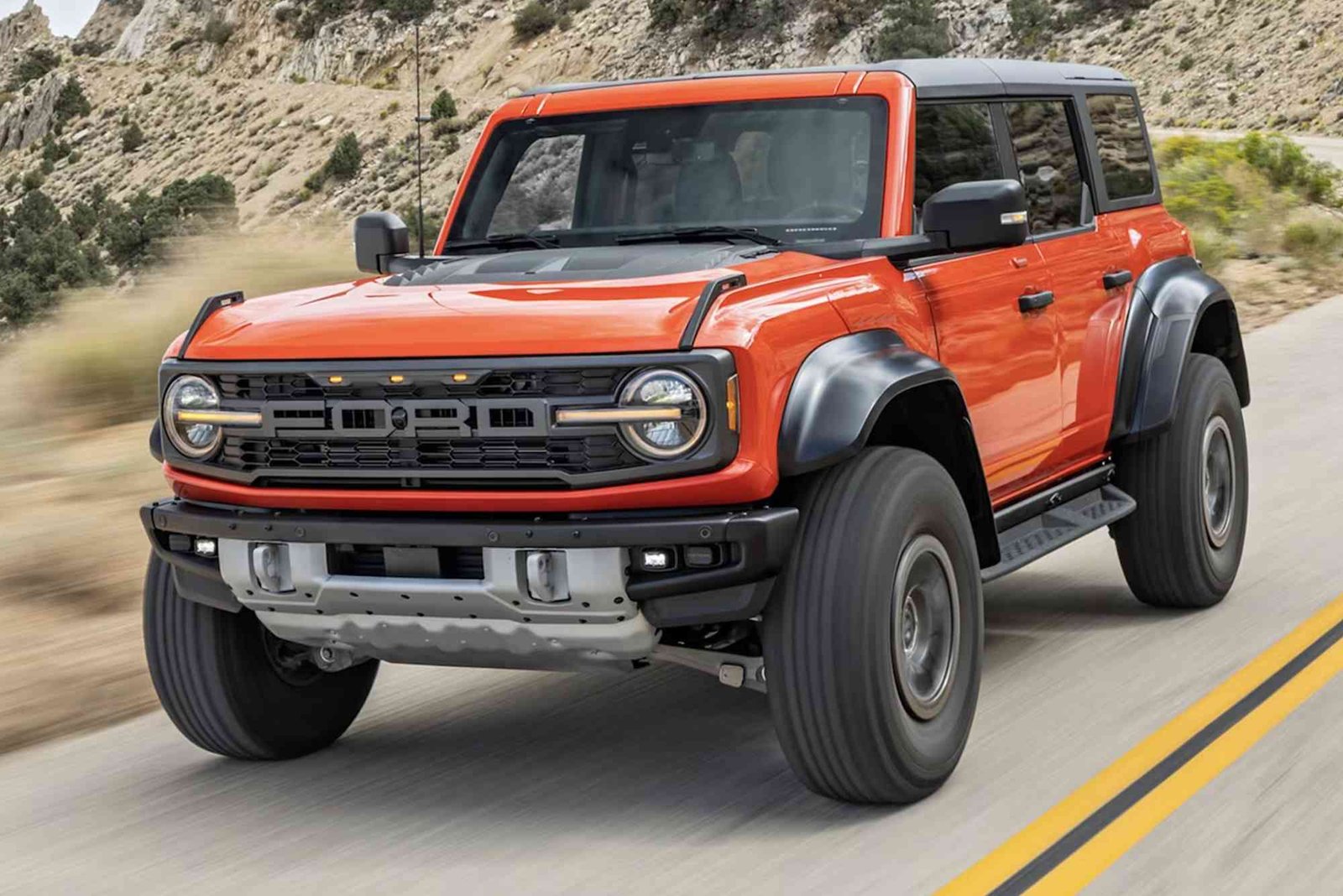
SUVs are traditionally associated with off-road capability. They offer high ground clearance, reinforced chassis, and powerful engines. Many SUVs also include 4WD or AWD systems, making them suitable for both urban and off-road rough roads.
Crossovers
Crossovers combine SUV features with car-like handling. They are lighter, more fuel-efficient, and easier to maneuver. While they may lack extreme off-road capability, they handle moderate rough roads effectively and offer a comfortable ride.
Pickup Trucks
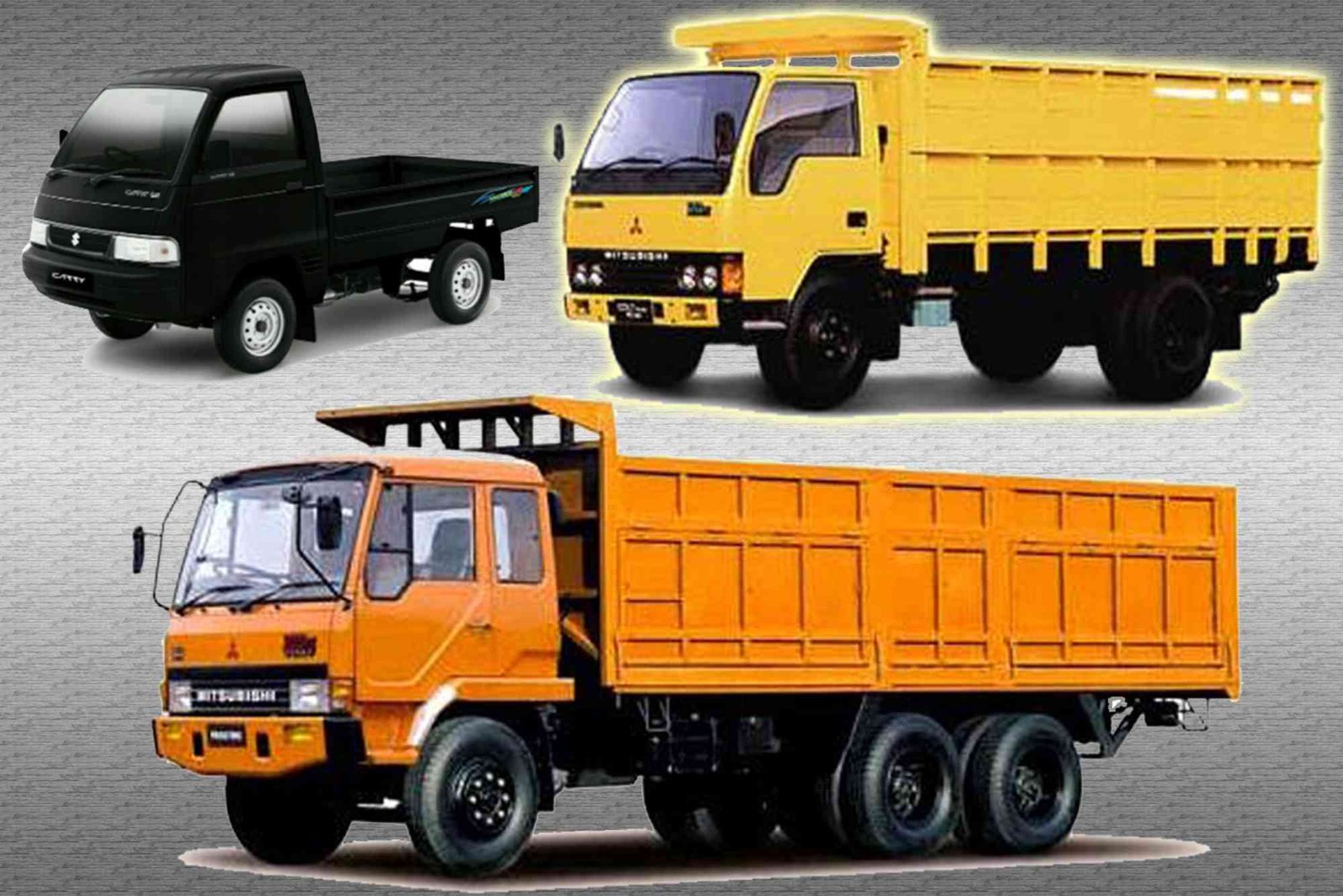
Pickups are built for durability and heavy-duty use. Their reinforced frames, high torque, and 4WD options make them excellent for rural and rugged terrain. Additionally, pickups can carry heavy loads, making them practical for work and adventure.
Common Misconceptions About Rough Road Vehicles
Many drivers assume that only expensive, large SUVs are suitable for rough roads, but this is not always true. Proper suspension, tires, and drivetrain matter more than size alone. Smaller, well-equipped vehicles can handle urban rough roads efficiently, while not all large SUVs are optimized for off-road performance.
Another misconception is that off-road vehicles compromise comfort. Modern designs integrate advanced suspension and cabin features to provide a smooth ride even on bumpy surfaces.
Maintaining Your Car on Rough Roads
Owning the best car for rough roads requires proper maintenance. Regular checks of tires, suspension, and underbody components ensure longevity. Tires should be inspected for punctures and wear, while suspension systems may require more frequent servicing due to increased stress. Cleaning the undercarriage after muddy or sandy trips prevents corrosion and mechanical issues.
Additionally, monitoring fluid levels, especially in vehicles used for heavy off-road use, prevents engine and transmission damage. Lubrication and timely servicing extend the life of 4WD or AWD components, ensuring your car continues to perform in rough conditions.
Choosing the best car for rough roads is about balancing performance, comfort, and durability. Whether navigating urban potholes, rural trails, or off-road adventures, the right vehicle makes a significant difference. Pay attention to suspension, ground clearance, drivetrain, tires, and safety features while also considering budget, size, and reliability. With careful selection and proper maintenance, your vehicle will provide a smooth, safe, and enjoyable driving experience on even the roughest roads. Invest wisely, and your car will handle rough terrain for years to come.
When deciding on your next vehicle, consider your driving environment, terrain challenges, and personal preferences. A well-chosen car designed for rough roads ensures safety, comfort, and longevity. Explore options, test-drive vehicles, and prioritize features that improve handling on uneven surfaces.
Looking for style, efficiency, and fun on the road? Discover the Best Hatchback Cars for Young People that combine modern design, fuel efficiency, and smart features. Perfect for city driving and weekend adventures, these hatchbacks offer affordability without compromising on performance. Whether you value technology, comfort, or sporty looks, this guide helps young drivers choose a car that fits their lifestyle and budget.
FAQ
What is the most important feature for a car on rough roads?
Suspension and ground clearance are critical, as they absorb shocks and prevent underbody damage.
Can a regular car handle rough roads?
Moderate rough roads may be manageable, but specialized SUVs or crossovers are safer and more comfortable.
Is 4WD necessary for rough roads?
All-wheel drive or 4WD enhances traction, especially on loose, muddy, or steep surfaces.
How often should I maintain a car used on rough roads?
Regular inspections of tires, suspension, and undercarriage are recommended every 5,000–7,500 miles.
Are pickups better than SUVs for rough terrain?
Pickups offer durability and load capacity, while SUVs provide better comfort and versatility for mixed terrain.