
Introduction
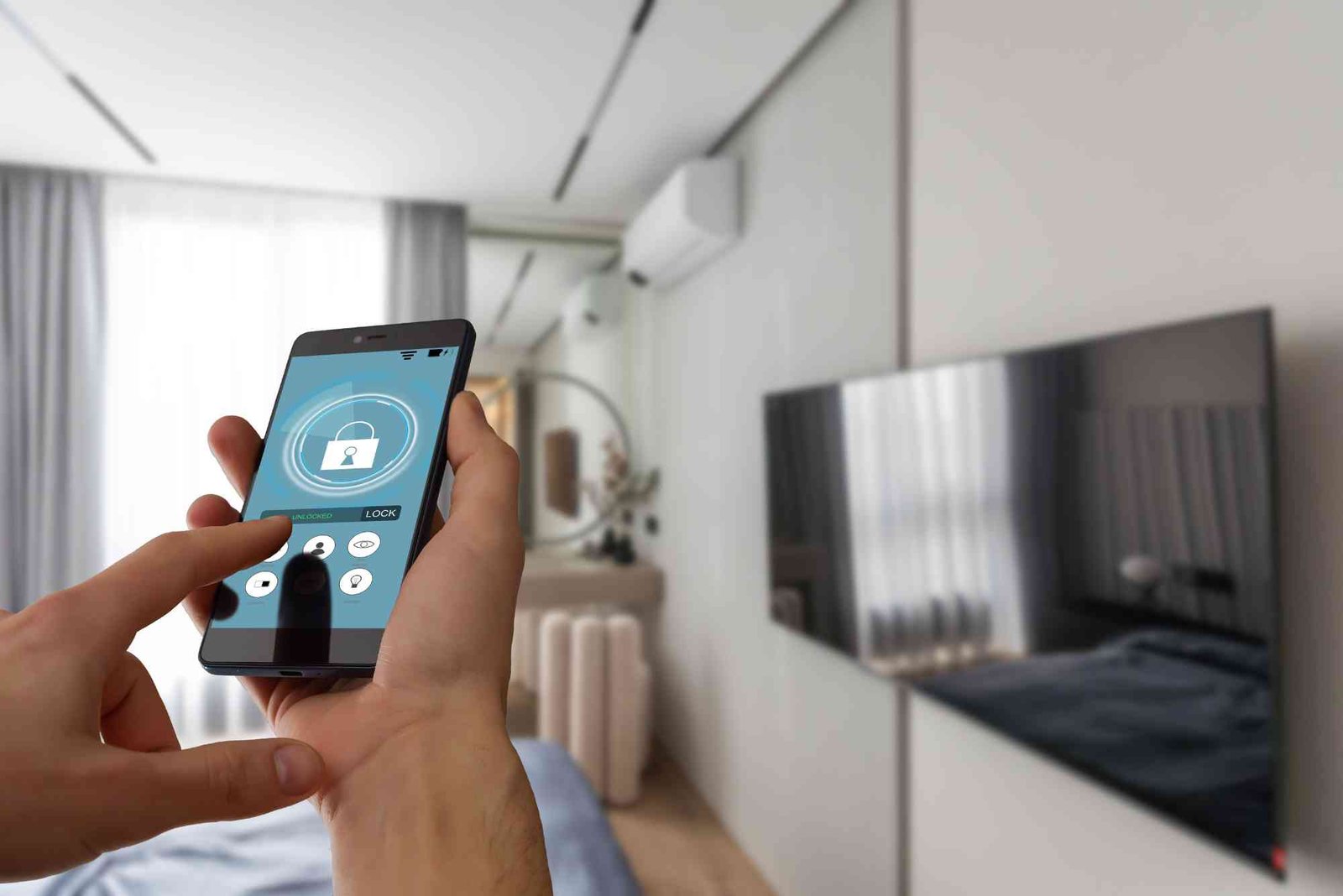
The Smart Housing Trend with IoT Technology is rapidly reshaping the way we live — turning ordinary houses into intelligent, interconnected living spaces. From automated lighting to predictive maintenance systems and enhanced security, this trend is not just futuristic hype; it’s becoming an everyday reality. In this guide, we’ll dive into what smart housing really means, how IoT drives it, the benefits and challenges, real-world use cases, and what the future holds—all explained in clear, practical language.
What Is the Smart Housing Trend with IoT Technology?
The smart housing trend with IoT technology refers to the adoption of Internet of Things (IoT) devices and systems within residential spaces to make homes more efficient, comfortable, and secure. IoT — simply explained — is a network of smart devices that communicate with each other and with users via the internet. In a smart home, your thermostat, lights, appliances, door locks, and even security cameras can interact seamlessly to create a living environment tailored to your lifestyle.
This trend isn’t just about gadgets; it’s about transformative experiences — saving energy, simplifying daily routines, improving safety, and offering unprecedented convenience. Whether you’re a homeowner, renter, or industry professional, understanding this trend is essential in today’s connected world.
The Fundamentals of IoT in Smart Housing
Understanding how IoT fits into smart housing requires breaking down core concepts.
What Is IoT?
IoT stands for the Internet of Things — a system of internet-connected devices that collect and share data. Each device has sensors, software, and network connectivity to interact intelligently.
How IoT Powers Smart Homes
In smart housing:

- Sensors detect changes (like movement, temperature, or humidity).
- Connectivity enables communication between devices and apps.
- Cloud platforms process data and help automate actions.
Together, these components make homes more responsive and adaptive to residents’ needs.
Key Features of Smart Housing Powered by IoT
The smart housing trend with IoT technology isn’t a single product — it’s a collection of systems working in harmony. Below are the major features shaping modern connected homes.
Smart Climate Control
IoT thermostats like Nest and Ecobee learn user preferences and adjust temperature automatically. This not only improves comfort but also reduces energy costs.
- Adaptive heating/cooling
- Remote control via apps
- Energy usage insights
Intelligent Lighting Systems
Smart lighting systems allow residents to:
- Adjust brightness and color
- Set schedules
- Control lights remotely
These features enhance ambiance and energy efficiency.
Voice-Controlled Assistants
Devices like Google Assistant and Amazon Alexa centralize home control. Users can ask a voice assistant to:
- Turn on lights
- Adjust thermostat
- Lock doors
This hands-free convenience is a hallmark of smart housing.
Advanced Home Security
Security is a major driver of the smart housing trend with IoT technology. IoT security systems include:
- Smart doorbells
- Motion sensors
- Remote monitoring cameras
These systems provide real-time alerts directly to smartphones, helping households respond quickly to unusual activity.
Smart Appliances
From refrigerators that track groceries to washing machines you can start from your phone, smart appliances are redefining home convenience.
Top Benefits of the Smart Housing Trend with IoT Technology
This trend isn’t just about cool tech — it delivers measurable benefits across comfort, safety, and savings.
Enhanced Convenience and Comfort
Automated systems take routine tasks off your plate:
- Lights turn on as you enter rooms
- Heating adjusts before you get home
This convenience becomes part of everyday life.
Energy Efficiency and Cost Savings
Smart systems optimize energy consumption based on real user behavior. This can lead to noticeable savings on utility bills over time.
Improved Safety and Security
Real-time alerts and remote surveillance give homeowners peace of mind. Smart door locks can even be controlled remotely in case you forget to lock up.
Personalized User Experiences
IoT systems can learn patterns and preferences over time, creating personalized environments — like favorite music playlists or ideal room temperatures.
Increased Property Value
Homes with integrated IoT solutions are increasingly attractive to buyers and tenants, often commanding higher market value and faster sales cycles.
Challenges & Concerns in Smart Homes
Despite its benefits, the smart housing trend with IoT technology also brings challenges.
Data Privacy and Security Risks
Because IoT devices collect personal data, cybersecurity is a real concern. Vulnerabilities in device software can expose networks to hacking if not properly managed.
Interoperability Issues
Not all IoT devices speak the same language. Devices from different manufacturers may struggle to work together seamlessly.
Cost of Implementation
Upfront costs can be a barrier. High-quality IoT solutions and installation may require significant investment.
Network Dependence
Smart homes depend on robust internet connections. If your internet goes down, some systems may not function properly.
Real-World Use Cases
Here are examples of how the smart housing trend with IoT technology is being applied in everyday life:
Energy Optimization
A family installs smart thermostats and energy monitors. By tracking consumption patterns, they reduced heating costs by 15% annually.
Remote Home Security
Travelers use smartphone-connected cameras and smart locks to monitor their home while abroad, receiving alerts whenever someone approaches the front door.
Assisted Living Support
Elderly residents benefit from fall-detection sensors and voice-activated assistants that help them call for help when needed.
Future Trends in Smart Housing
The smart housing trend with IoT technology continues to evolve. Here’s what to expect:
Edge Computing Integration
Future smart homes may use edge computing — processing data directly on local devices instead of relying solely on cloud platforms — for faster response times and improved privacy.
AI-Powered Automation
Artificial Intelligence (AI) will play an increasingly central role, enabling predictive behaviors like preemptive climate adjustments and tailored energy-saving suggestions.
5G Connectivity
Faster, more reliable 5G networks will enhance device communication and usability, especially for high-bandwidth applications like video monitoring.
Smart Neighborhoods
Connected homes may expand into connected communities, where local energy grids, transportation systems, and public services share data for even broader optimization.
Security Best Practices for Smart Homes
Embracing the smart housing trend with IoT technology also means taking steps to protect your home and data.
Strong Passwords and Two-Factor Authentication
Using unique passwords and two-factor authentication (2FA) helps prevent unauthorized access.
Regular Firmware Updates
Keeping devices updated ensures security patches are installed and vulnerabilities are minimized.
Secure Network Setup
A separate network for IoT devices — apart from personal devices like phones — adds another layer of protection.
Choose Trusted Brands
Opt for reputable manufacturers with clear privacy policies and strong support.
How to Start with Smart Home Technology
If you’re ready to join the smart housing trend with IoT technology, here’s a practical roadmap:
Evaluate Your Needs
Determine what matters most to you — security, comfort, energy savings, or entertainment.
Choose Core Devices
Begin with foundational devices like smart speakers, thermostats, and security cameras.
Plan for Integration
Check compatibility between devices and consider a central hub for unified control.
Install and Customize
Install devices, set preferences, and explore automation rules that fit your daily life.
Common Misconceptions
Let’s clear up some myths around smart homes:
Myth 1: Smart Homes Are Only for Tech Experts
Truth: Most devices can be installed with basic tutorials and smartphone apps.
Myth 2: IoT Devices Are Too Expensive
Truth: Prices have dropped significantly, and many budget-friendly options work well for first-time users.
Myth 3: Smart Homes Invade Your Privacy
Truth: Privacy concerns are real, but proper security practices and trusted brands can mitigate risks.
FAQs
Below are real questions many people ask online about the smart housing trend with IoT technology:
What is IoT in smart homes?
IoT in smart homes refers to connected devices that communicate over the internet to automate, monitor, and optimize home functions.
How does IoT technology benefit homeowners?
It improves convenience, enhances security, enables energy savings, and provides personalized living experiences.
Are smart homes secure?
Smart homes can be secure with proper password management, network segmentation, and regular device updates, but they require ongoing attention.
Can I install smart devices myself?
Yes — most smart devices are designed for DIY installation using mobile apps and step-by-step instructions.
Does smart housing save money?
Yes — especially through energy optimization and efficient resource use, though savings vary based on usage patterns and device types.
Embracing the Smart Housing Trend with IoT Technology
The Smart Housing Trend with IoT Technology is more than just a buzzword — it’s a fundamental shift in how we interact with our living spaces. From enhanced security and comfort to meaningful energy savings and digital convenience, IoT-powered homes are redefining modern life.
Infrastructure Project Development and Its Impact: Infrastructure projects like roads, bridges, and public transit improve connectivity, boost economic growth, and create jobs. They enhance quality of life by providing better services but may also impact the environment and communities, making careful planning essential for sustainable development.