Introduction
Navigating through congested city traffic can be a daily challenge for millions of urban drivers. With narrow streets, unpredictable traffic patterns, and limited parking space, choosing the right vehicle is crucial. The best city car for congested traffic is not just about speed or luxury; it is about maneuverability, efficiency, and convenience. Urban driving requires a car that can handle stop-and-go traffic effortlessly while offering comfort, safety, and low operating costs. In this guide, we will explore the key features of the best city car, factors to consider when selecting one, and tips for maximizing its performance in dense traffic conditions.
Understanding the Needs of Urban Drivers
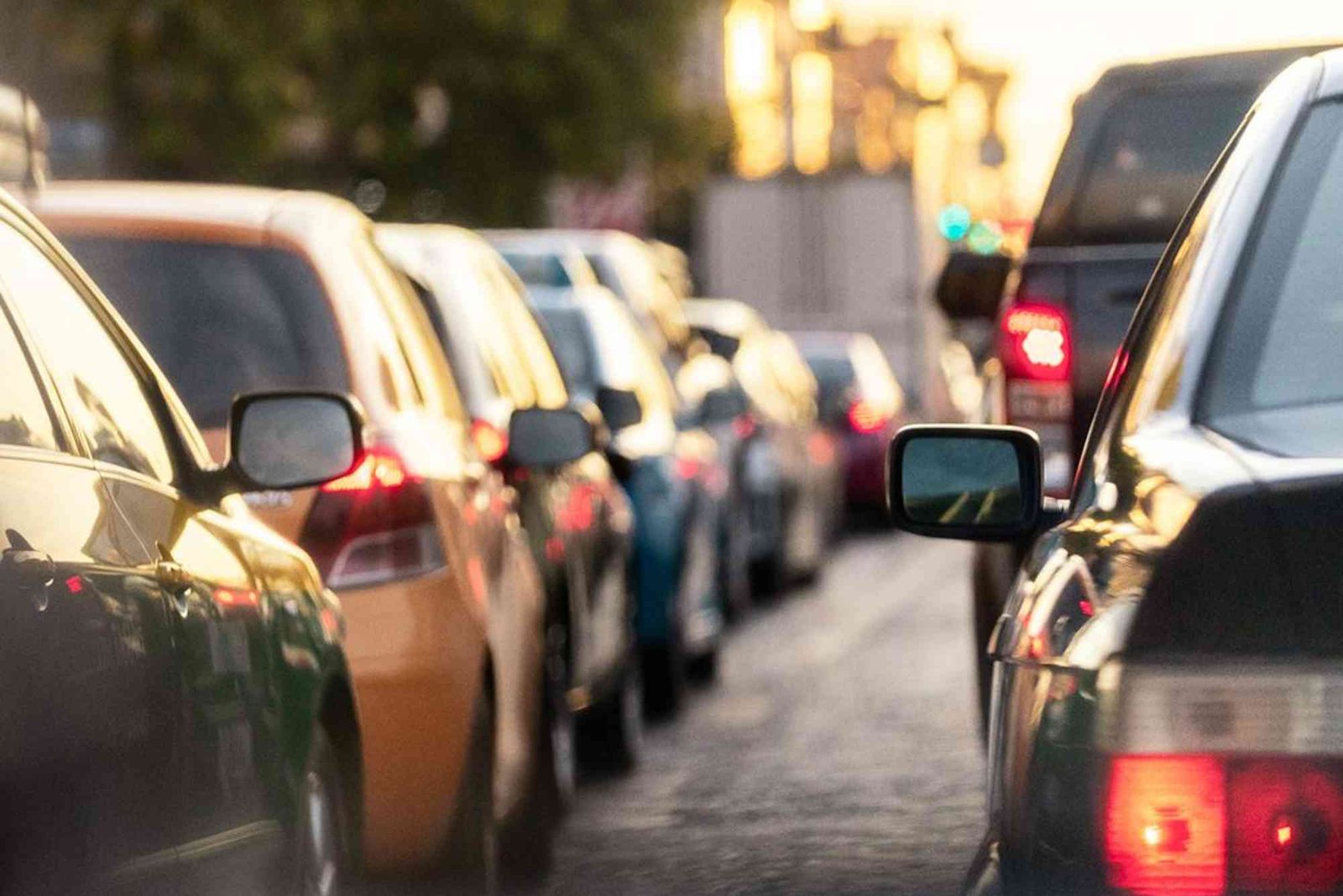
City driving demands a unique set of vehicle characteristics. Unlike highway driving, where long stretches of open road allow for powerful engines and high-speed stability, urban environments are different. Drivers frequently encounter traffic jams, tight corners, and sudden stops. In this context, the best city car for congested traffic should prioritize agility, fuel efficiency, and easy parking. Additionally, modern city cars often integrate technology to enhance the urban driving experience. Features like automatic braking, parking sensors, and connectivity options make navigating crowded streets safer and less stressful. Urban drivers also value reliability and low maintenance costs since their cars are constantly exposed to frequent stop-and-go cycles that can strain components.
Maneuverability and Size
One of the most critical factors in congested traffic is the car’s size and maneuverability. Smaller cars can weave through tight spaces and fit into parking spots that larger vehicles cannot. Compact dimensions also improve handling in narrow streets and heavy traffic. Vehicles with a tight turning radius allow drivers to make quick adjustments, reducing the risk of minor collisions. While size is important, interior comfort should not be compromised. The best city cars manage to provide sufficient cabin space for passengers without becoming cumbersome in traffic.
Fuel Efficiency and Powertrain
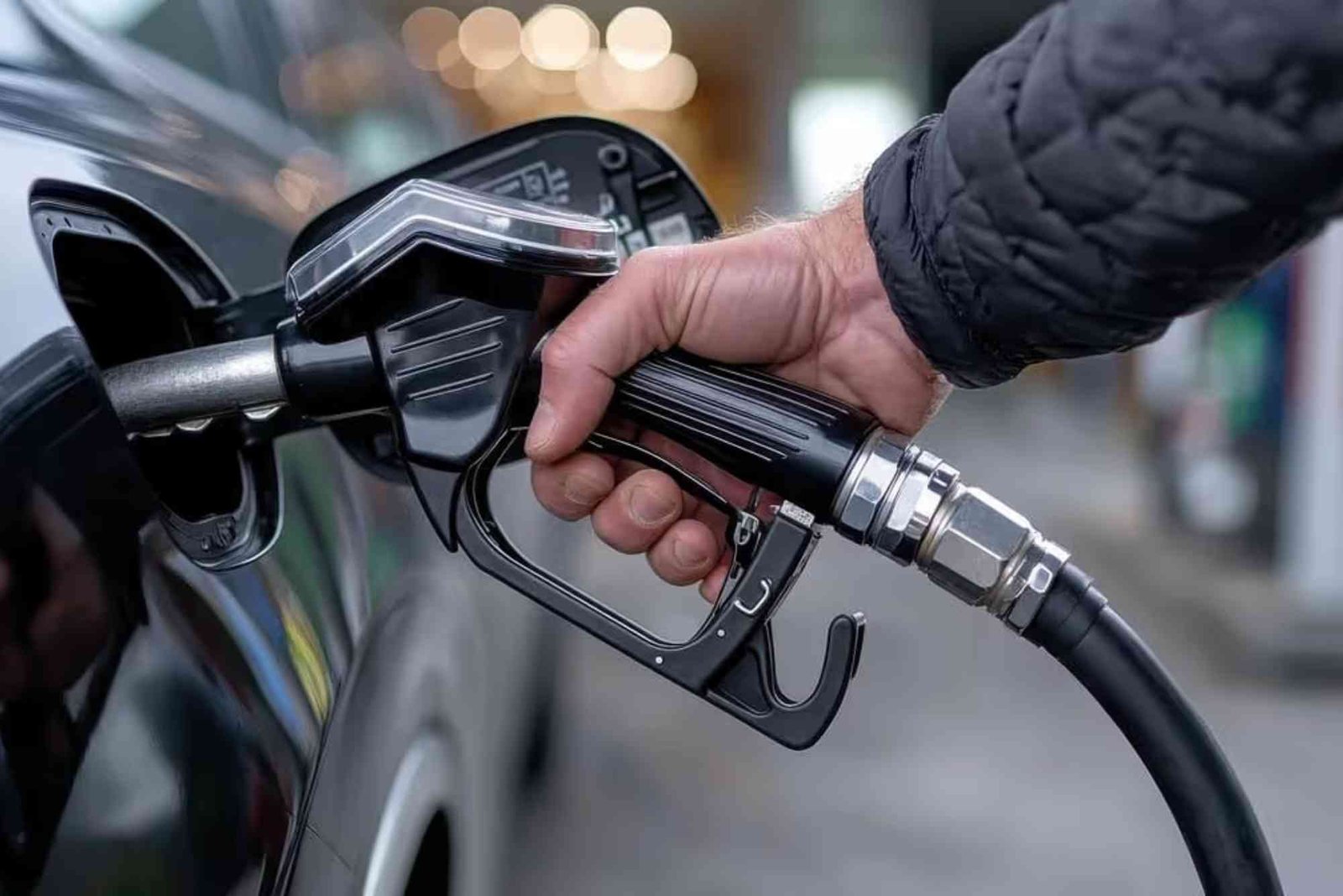
Urban driving often involves frequent braking and acceleration, which can significantly affect fuel consumption. Therefore, fuel efficiency is a major consideration. Cars with smaller, efficient engines or hybrid powertrains are ideal for city conditions. Electric vehicles (EVs) are becoming increasingly popular in congested cities because they deliver instant torque, zero emissions, and lower running costs. Hybrid vehicles offer a balance between conventional and electric power, reducing fuel consumption without sacrificing performance. The best city car for congested traffic should provide smooth acceleration in stop-and-go situations while maintaining excellent mileage to save money and reduce environmental impact.
Comfort and Visibility
While maneuverability and efficiency are essential, comfort and visibility also matter in urban driving. City traffic can be stressful, so a comfortable seating position, supportive seats, and intuitive controls can make a big difference. Good visibility helps drivers anticipate obstacles, pedestrians, and cyclists, improving safety in tight spaces. Many modern city cars come equipped with high seating positions or panoramic windshields that enhance road visibility. Additionally, adjustable mirrors, rearview cameras, and blind-spot monitoring systems provide added security when navigating busy streets.
Safety Features for City Driving
Safety is non-negotiable in congested traffic. The best city cars include advanced driver assistance systems designed for urban environments. Automatic emergency braking helps prevent collisions in sudden stop situations. Lane-keeping assist ensures that drivers stay within their lanes, even in slow-moving traffic. Parking assistance features, such as sensors and cameras, simplify the task of finding and navigating into tight parking spaces. Safety ratings from trusted agencies can also guide buyers, as well-rated vehicles generally offer more protection during minor accidents common in city conditions.

Connectivity and Infotainment
In today’s connected world, city drivers value cars that integrate seamlessly with their digital lives. Infotainment systems with navigation, traffic updates, and smartphone connectivity help drivers plan routes and avoid congested areas. Real-time traffic information can be crucial for minimizing delays in busy cities. Voice commands and touch-screen controls reduce distractions while keeping drivers informed. A well-equipped city car not only navigates traffic efficiently but also ensures that drivers stay connected without compromising safety.
Choosing the Best City Car
Selecting the best city car for congested traffic involves balancing multiple factors. Practicality, efficiency, and safety must all come together in a single package. Buyers should consider their typical driving environment, daily commute distance, and parking conditions. Cars designed specifically for urban settings often offer better fuel economy, tighter turning capabilities, and innovative storage solutions compared to larger vehicles. Another consideration is long-term cost. While city cars are generally more affordable, evaluating insurance, maintenance, and depreciation helps make a more informed decision.
Engine Options and Transmission
A responsive engine is critical for urban driving. Turbocharged small engines often provide sufficient power while maintaining fuel efficiency. Electric motors excel at low-speed torque, which is ideal for stop-and-go traffic. Transmission also plays a key role; automatic transmissions reduce the fatigue of constant clutch work in traffic jams. Continuously variable transmissions (CVTs) are particularly popular in city cars because they offer smooth acceleration without frequent gear shifts, improving both comfort and fuel efficiency.
Parking and Storage Solutions
Parking is often a major concern in congested cities. The best city cars feature compact dimensions, smart parking assistance, and clever storage solutions. Foldable rear seats and multi-purpose interiors allow drivers to maximize cargo space without sacrificing passenger comfort. Some modern city cars even include automated parking systems that park the vehicle for you in tight spots. This convenience saves time and reduces stress during busy commutes.
Driving Experience
Driving a city car should feel light, responsive, and stress-free. Suspension systems designed for urban environments absorb potholes and uneven roads, providing a smoother ride. Steering should be precise and easy, allowing drivers to navigate tight corners effortlessly. Noise insulation also contributes to a more pleasant experience, keeping traffic sounds and engine noise to a minimum. The best city cars balance practicality with driving enjoyment, making everyday commutes more tolerable.
Environmental Considerations
As cities grapple with pollution and climate change, environmentally friendly vehicles are increasingly favored. Electric and hybrid city cars reduce emissions while offering economic advantages through lower fuel costs. Many governments provide incentives for eco-friendly vehicles, making them more affordable. Choosing a car with reduced environmental impact not only benefits the driver financially but also contributes to cleaner, healthier urban spaces.
Common Mistakes to Avoid
When selecting a city car for congested traffic, some mistakes are common. One is prioritizing style over practicality. While sleek designs may appeal aesthetically, overly large or low-slung vehicles may struggle in tight city streets. Another mistake is overlooking fuel efficiency and maintenance costs. Cars that consume excessive fuel or require expensive servicing can become financial burdens. Buyers should also consider the long-term usability of the car, including interior space, reliability, and adaptability to changing urban traffic conditions.
Tips for Driving in Congested Traffic
Owning the best city car for congested traffic is only part of the solution. Effective driving techniques are equally important. Anticipating traffic flow, maintaining safe distances, and avoiding aggressive driving reduce stress and fuel consumption. Using technology, such as navigation apps with real-time traffic updates, can help avoid bottlenecks and shorten travel time. Regular maintenance ensures that brakes, tires, and suspension systems perform optimally, which is vital when dealing with constant stop-and-go traffic. Efficient driving habits not only protect the car but also enhance safety for the driver and others on the road.
Choosing the best city car for congested traffic requires careful consideration of size, maneuverability, fuel efficiency, safety, and comfort. Urban driving presents unique challenges that demand a vehicle designed for agility and practicality. Modern city cars combine innovative technology, eco-friendly powertrains, and user-friendly features to make commuting in heavy traffic easier and more enjoyable. By selecting a car that balances performance, efficiency, and comfort, urban drivers can reduce stress, save money, and improve their daily driving experience. Whether opting for a compact gas-powered car, a hybrid, or an electric vehicle, the best city car is one that meets the demands of dense traffic while offering a safe, comfortable, and enjoyable ride.
If you are looking to upgrade your city commute, consider your driving habits, the traffic conditions in your area, and your personal comfort preferences. The right choice will transform how you experience city traffic and make your daily journeys smoother, safer, and more efficient. Start exploring options today and discover the city car that fits your lifestyle perfectly.
Transmission problems can lead to costly repairs if not detected early. Knowing how to identify signs of transmission damage is crucial. Look out for unusual noises, slipping gears, delayed acceleration, or fluid leaks. Warning lights on your dashboard may also indicate issues. Early detection helps prevent severe damage and ensures your vehicle runs smoothly. Learn how to spot these signs before they escalate.
FAQ
What is the most important feature in a city car for congested traffic?
The most important feature is maneuverability. Compact size and a tight turning radius make navigating traffic and parking much easier.
Are electric cars suitable for congested city driving?
Yes, electric cars are excellent for city driving. They provide instant torque, zero emissions, and lower running costs.
How important is fuel efficiency in city cars?
Fuel efficiency is crucial. Frequent stop-and-go traffic increases fuel consumption, so efficient engines or hybrid systems save money.
Do city cars have special safety features?
Modern city cars include automatic braking, lane assist, parking sensors, and rearview cameras for enhanced urban safety.
What size of car is best for city traffic?
Compact cars with small footprints are ideal. They offer easy maneuverability and fit into tight parking spaces without difficulty.