Introduction
Indonesia’s automotive landscape is rapidly shifting as electric vehicles (EVs) become more accessible and popular. With the government promoting greener mobility through incentives, subsidies, and infrastructure development, more Indonesians are considering switching to electric cars. While premium EVs dominate the global market, affordable electric cars in Indonesia are gaining traction for city commuters, families, and environmentally conscious buyers. Understanding which models combine affordability, practicality, and efficiency is essential for making an informed decision. This article explores recommended affordable electric cars in Indonesia and what to consider before purchasing one.
Why Choose an Affordable Electric Car in Indonesia
Choosing an affordable electric car offers multiple advantages. First, it reduces long-term fuel costs. Electric cars operate on electricity, which is cheaper than conventional gasoline, particularly with increasing fuel prices. Second, EVs require lower maintenance. Without an internal combustion engine, electric cars have fewer moving parts, meaning less frequent repairs. Third, driving an electric car contributes to a cleaner environment by lowering carbon emissions and reducing urban air pollution.
Affordability does not necessarily mean compromising quality. Many EV manufacturers are now producing vehicles with competitive pricing, good battery range, and modern features, making them suitable for Indonesia’s urban and suburban roads. Moreover, affordable EVs are often smaller, making them ideal for congested city streets, easy parking, and short daily commutes.
Key Factors to Consider When Buying an Affordable EV
Before selecting an electric car, buyers should evaluate several factors to ensure it meets their needs.
Battery Range and Charging Infrastructure
Battery range is critical for everyday usability. While premium EVs offer ranges exceeding 400 kilometers per charge, affordable models typically range from 150 to 300 kilometers. This range is sufficient for most urban and suburban commutes in Indonesia. However, it’s crucial to consider charging infrastructure. Public charging stations are expanding, particularly in Jakarta, Surabaya, and Bali, but rural areas may have limited options. Home charging is a practical solution, and some affordable EVs support standard household outlets for overnight charging.
Vehicle Price and Government Incentives
The upfront price remains a primary consideration. Indonesia’s government offers incentives for electric vehicles, including tax reductions and exemptions on luxury goods tax for certain models. Affordable EVs fall below the mid-range price threshold, making them eligible for these incentives. Potential buyers should also account for total ownership costs, including battery replacement, insurance, and maintenance.

Performance and Features
Even budget-friendly EVs offer features like regenerative braking, touchscreen displays, advanced infotainment, and safety systems. Acceleration, handling, and comfort are important factors, especially for daily city driving. Electric cars are often quieter than conventional vehicles, providing a more enjoyable driving experience. Buyers should also consider cargo space, seating capacity, and interior quality.
Resale Value and Reliability
The resale market for electric vehicles is still emerging in Indonesia. Choosing a reputable brand with local service centers ensures better reliability and support. Battery longevity is another key factor; high-quality batteries can last more than eight years with proper care. A reliable warranty and after-sales service can reduce concerns about potential repair costs.
Popular Affordable Electric Cars in Indonesia
The Indonesian EV market is evolving, with several models suitable for budget-conscious buyers. These cars cater to diverse needs, from daily commuting to family travel.
Affordable electric cars in Indonesia often emphasize compact designs and energy efficiency. Many come equipped with battery packs that support both slow and fast charging. The focus is on practical usability rather than luxury features, which helps keep prices reasonable. While premium EVs from global brands attract attention, local and regional options are gaining popularity for their affordability and ease of maintenance.
Indonesian consumers increasingly value electric cars that offer a balance between price, efficiency, and performance. Compact EVs designed for city driving are particularly popular. They reduce commuting costs, ease traffic congestion, and offer modern features that appeal to younger buyers. Many models also have software updates for improving performance and energy management, demonstrating technological innovation in the affordable EV segment.
Manufacturers have started prioritizing EVs with regenerative braking systems, which convert kinetic energy into battery power while driving. This technology increases the vehicle’s overall range and efficiency. Moreover, lightweight construction and aerodynamic designs contribute to better battery utilization, reducing energy waste. Affordable electric cars often use lithium-ion batteries, providing a good compromise between cost, lifespan, and energy density.
These cars are increasingly designed to meet Indonesian road conditions. Many models feature compact dimensions suitable for narrow streets, reliable suspension for uneven roads, and efficient air conditioning systems that perform well in tropical climates. Drivers also benefit from intuitive control systems, digital dashboards, and smartphone connectivity.
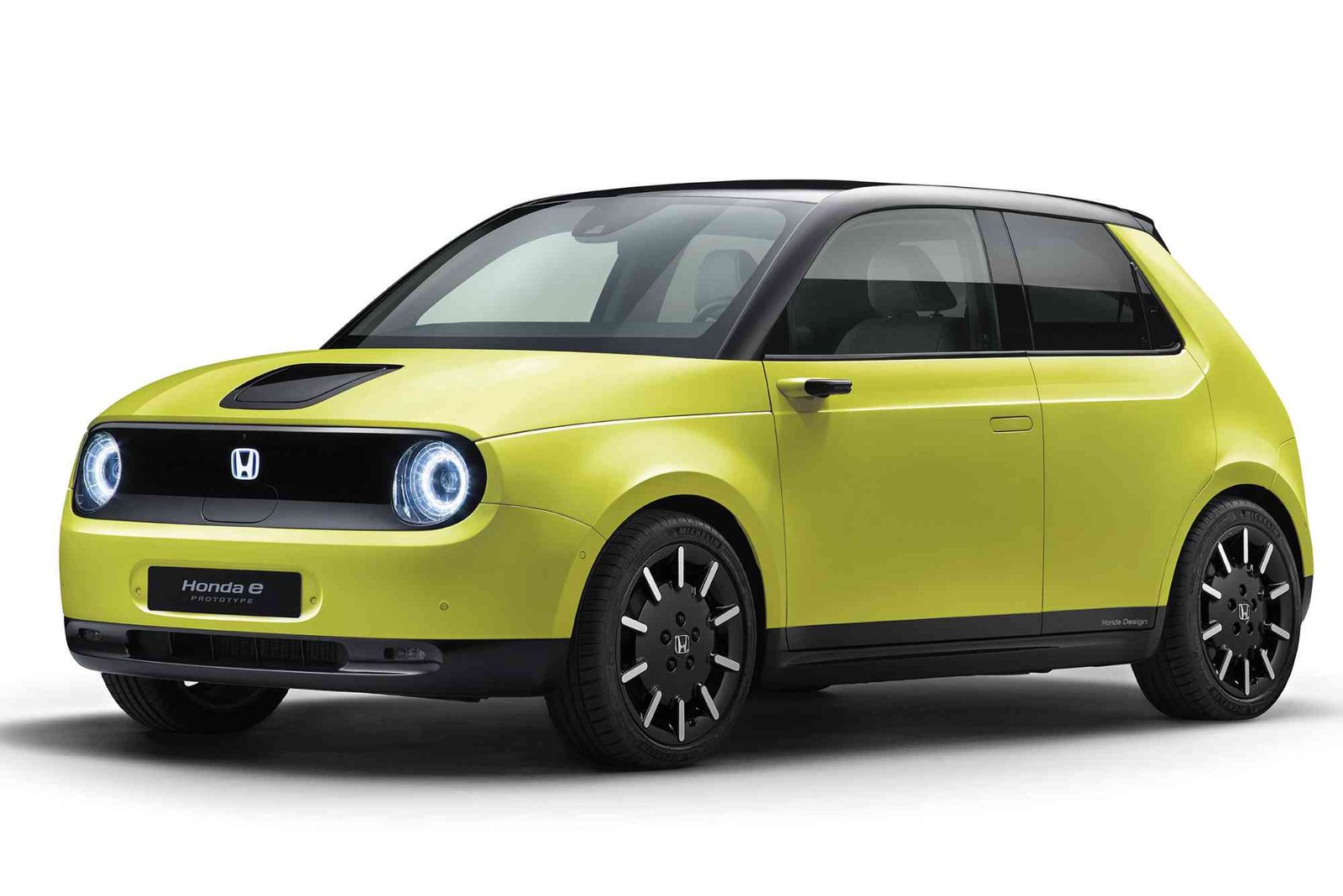
Some models are gaining traction for their practicality. Compact hatchbacks provide sufficient cargo space while remaining easy to park. Small SUVs combine urban usability with family-friendly interiors. Lightweight sedans offer longer ranges with improved battery efficiency. These options demonstrate that affordable electric cars are no longer limited to basic designs—they combine technology, efficiency, and comfort.
Battery management and safety features are also a priority. Affordable EVs include thermal management systems to prevent overheating and advanced safety mechanisms like electronic stability control, airbags, and collision detection systems. These innovations ensure a safe driving experience without significantly increasing costs.
Affordable EVs in Indonesia benefit from government support aimed at reducing carbon emissions and promoting sustainable transportation. Incentives such as tax exemptions, reduced registration fees, and infrastructure improvements encourage adoption. As public charging networks expand, the practicality of these vehicles will continue to grow.
Benefits of Driving an Affordable Electric Car in Indonesia
Choosing an affordable electric car in Indonesia brings multiple benefits. Lower fuel costs and reduced maintenance expenses make them cost-effective. Environmentally, EVs reduce greenhouse gas emissions, contributing to cleaner urban air. They are also quieter, offering a smoother and more comfortable driving experience.
Moreover, the rise of EVs encourages infrastructure development, including public charging stations and renewable energy initiatives. Driving an electric car reflects a commitment to sustainability while remaining within a reasonable budget. The combination of government incentives, lower operating costs, and modern features makes affordable EVs increasingly attractive to Indonesian consumers.
Challenges and Considerations
Despite the advantages, potential buyers must be aware of challenges. Charging station availability can be limited outside major cities. Battery replacement costs may be significant if the battery degrades after several years. Additionally, resale value for affordable EVs may be uncertain as the secondary market continues to develop.
However, careful planning—such as installing a home charging point, selecting a reputable brand, and understanding warranty coverage—can mitigate most concerns. Government incentives also make early adoption more appealing and economically feasible.
Affordable electric cars in Indonesia provide a compelling combination of cost-efficiency, modern technology, and environmental benefits. They are ideal for urban commuting, family trips, and daily travel without the high price tag of premium EVs. By considering battery range, performance, price, and available incentives, buyers can select a model that suits their needs.
As infrastructure improves and more models become available, the adoption of affordable EVs will likely accelerate, contributing to cleaner cities and a sustainable future. For Indonesian drivers looking to reduce costs and embrace greener transportation, investing in an affordable electric car is a practical and forward-thinking choice.
Take the step toward sustainable driving today by exploring affordable electric cars that meet your lifestyle and budget. With careful research and consideration, switching to an EV is now easier and more accessible than ever.
If your car sensor is malfunctioning, it can affect performance, fuel efficiency, and safety. Understanding how to repair a car sensor that is faulty is essential for maintaining your vehicle. This guide explains common sensor issues, step-by-step troubleshooting, and repair tips to get your car running smoothly again. Learn how to identify the problem, replace or recalibrate the sensor, and ensure your vehicle operates safely and efficiently.
FAQ
What is the average price of affordable electric cars in Indonesia?
Affordable EVs in Indonesia generally range from 200 million to 400 million IDR, depending on brand, battery capacity, and features.
How far can affordable electric cars travel on a single charge?
Most models have a range between 150 and 300 kilometers per charge, suitable for urban commuting and short road trips.
Are there government incentives for electric car buyers in Indonesia?
Yes, the government provides tax reductions, registration exemptions, and other incentives to promote electric vehicle adoption.
Is charging infrastructure sufficient in Indonesia?
Urban areas like Jakarta, Surabaya, and Bali have growing public charging networks, but rural coverage is limited. Home charging is recommended.
Do affordable electric cars have low maintenance costs?
Yes, EVs have fewer moving parts than conventional cars, reducing maintenance and repair expenses.
Which type of battery is used in affordable electric cars?
Most models use lithium-ion batteries, which offer a good balance of cost, lifespan, and energy efficiency.