
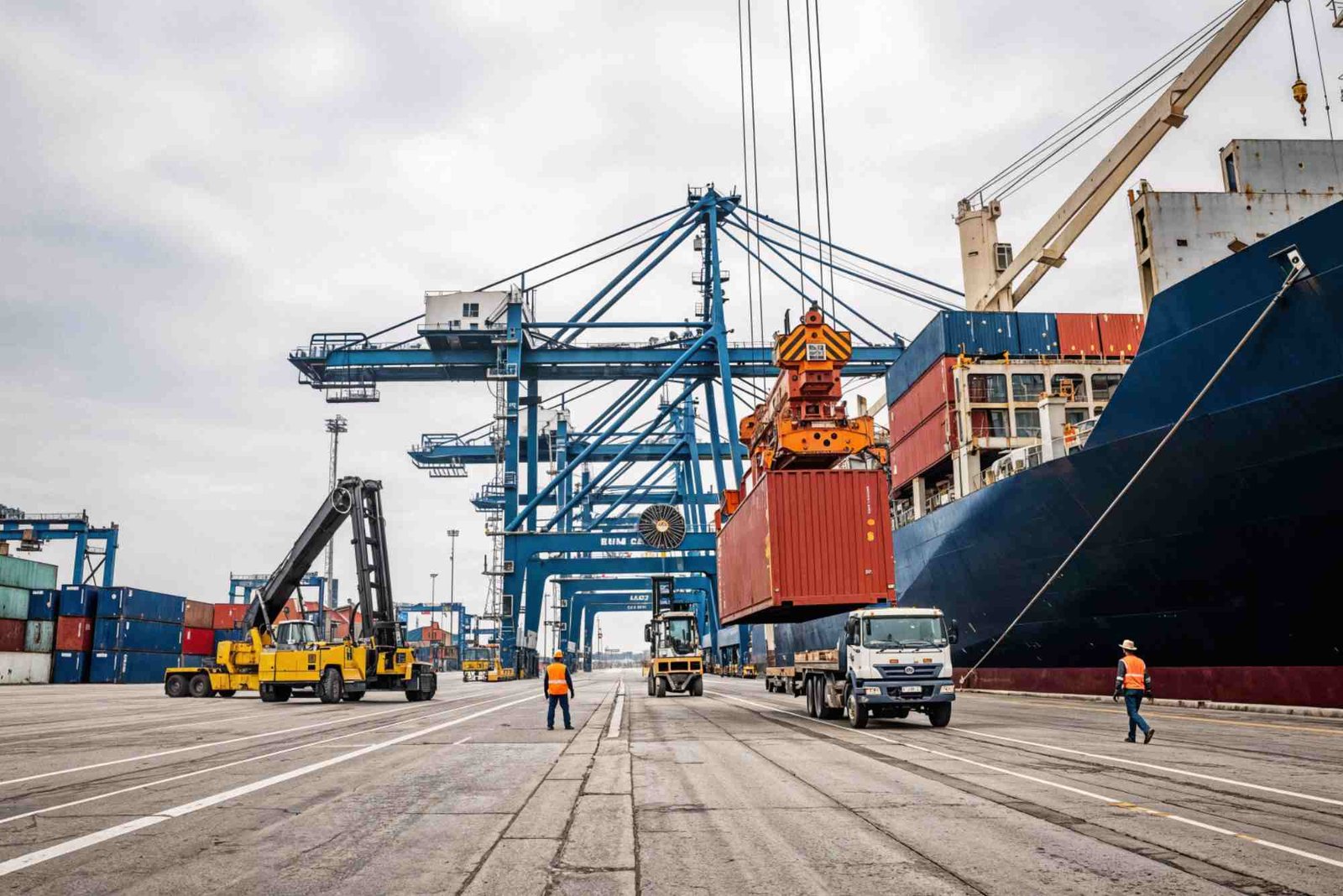
In today’s globalized economy, export business opportunities for MSMEs are becoming increasingly accessible. Many small businesses in Indonesia are discovering that international markets can provide significant growth potential, diversify revenue streams, and strengthen business resilience. Understanding how to navigate the export landscape is essential for entrepreneurs seeking to expand beyond domestic markets.
Understanding Export Opportunities for MSMEs
Expanding into exports is not just about selling products overseas. It requires careful planning, market research, and compliance with international trade standards. MSMEs often offer unique products, such as handicrafts, specialty foods, and textile goods, which appeal to niche markets abroad. The key is identifying which products are in demand in specific regions and tailoring strategies to meet international consumer expectations.
Export opportunities are also shaped by global trends, including increasing demand for sustainable products and locally-made artisanal goods. Aligning your business with these trends can give MSMEs a competitive edge. Additionally, technology has simplified international marketing, logistics, and customer management, making global expansion feasible even for small businesses.
Identifying Profitable Export Markets
Before entering an international market, MSMEs need to carefully analyze potential regions. Countries with high demand for Indonesian products, such as textiles, coffee, and spices, are promising targets. Market research helps businesses understand consumer behavior, local regulations, and the competitive landscape.
Digital tools and online platforms provide valuable insights into market trends and preferences. Participating in trade exhibitions, virtual marketplaces, and business networks can further increase visibility. By building strong relationships with local distributors and retailers, MSMEs can confidently and sustainably enter foreign markets.
The Role of Product Differentiation
For MSMEs, differentiating products is crucial in competitive international markets. Unique design, sustainable materials, and high-quality craftsmanship are features that attract global buyers. Products reflecting Indonesian culture, like batik textiles or traditional snacks, are particularly appealing due to their authenticity and heritage value.

Packaging and branding also play a critical role. Professional packaging and clear labeling are essential to meet international standards. A strong brand story enhances credibility and helps build lasting trust with foreign customers.
Navigating Export Regulations and Compliance
Exporting requires understanding and adhering to international trade regulations. MSMEs must ensure products meet foreign safety, quality, and labeling standards. Knowledge of tariffs, taxes, and shipping documentation is also necessary to avoid delays and penalties.
Working with government agencies, trade associations, and export promotion programs can simplify compliance. Indonesia offers various initiatives to support MSMEs entering international markets, including training, financial incentives, and market intelligence. Leveraging these resources can significantly reduce barriers to exporting.
Financing and Risk Management
Financing is another critical aspect of exporting for MSMEs. Access to working capital, export credit, and trade insurance helps businesses manage cash flow and mitigate risks associated with international trade. Banks and financial institutions offer specialized products for exporters to cover production, logistics, and marketing costs.
Risk management is equally important. Currency fluctuations, political instability, and shipping delays can affect profits. Planning carefully and obtaining trade insurance allows MSMEs to explore new markets confidently while protecting their business.
Leveraging Digital Platforms for Export Growth
Technology has transformed how MSMEs approach exporting. E-commerce platforms, social media, and online B2B marketplaces allow small businesses to reach global audiences at low cost. These tools enable direct communication with buyers, market testing, and real-time feedback, which is crucial for refining products and services.
Digital platforms also facilitate logistics management, shipment tracking, and coordination with international partners. This reduces operational complexity and enables MSMEs to scale export activities efficiently. By adopting digital solutions, even small enterprises can compete internationally without establishing a physical presence abroad.
Building Strategic Partnerships
Collaborating with local partners in target markets is essential for long-term export success. Distributors, agents, and retailers provide insights into consumer preferences and help navigate regulatory requirements. Strategic partnerships reduce the burden of establishing infrastructure abroad and enhance market penetration.
Partnerships with other MSMEs can also create synergies in production, marketing, and logistics. By pooling resources and knowledge, small businesses can strengthen their competitive advantage and access markets that may be difficult to reach individually.
Overcoming Common Challenges in Exporting
Exporting is rewarding but presents challenges. Logistics, cultural differences, and compliance requirements can be daunting for small businesses. Proper planning, research, and support from government and industry associations are key to overcoming these obstacles.
Adapting products to international tastes, learning business etiquette in foreign markets, and building reliable supply chains are essential steps. Proactively addressing these challenges enables MSMEs to establish a strong foundation for sustainable export growth.
Success Stories of Indonesian MSMEs
Several Indonesian MSMEs have successfully expanded internationally, serving as inspiring examples. Food and beverage businesses, such as specialty coffee roasters and organic snack producers, have tapped into global demand by emphasizing unique flavors and sustainable practices. Similarly, textile and handicraft businesses have found niche markets in Europe and North America, driven by quality, authenticity, and storytelling.
These success stories demonstrate that with the right strategy, resources, and persistence, small businesses can thrive in international markets. Innovation, market understanding, and adaptability are often key factors for success.
Looking for the latest news, updates, and insights from Indonesia? Visit Indon.id to explore a wide range of topics, from lifestyle and technology to culture and current events. Stay informed and connected with Indon.id, your go-to source for everything happening in Indonesia.
Seizing Export Opportunities
Export business opportunities for MSMEs present immense potential for Indonesian small businesses. By understanding market demand, complying with regulations, leveraging digital tools, and building strategic partnerships, MSMEs can expand successfully into international markets. Exporting not only increases revenue but also strengthens brand recognition and business resilience.
For MSME owners ready to grow, taking the first step toward exports can transform a local business into a global player. Start by researching target markets, refining products, and exploring available government support programs. Your business has the potential to compete internationally and create lasting impact.
FAQ
What are the best products for Indonesian MSMEs to export?
Products such as textiles, handicrafts, coffee, spices, and specialty foods often attract international buyers due to quality, uniqueness, and cultural value.
How can MSMEs find international buyers?
MSMEs can use digital platforms, participate in trade fairs, connect with distributors, and leverage government export programs.
What are the biggest challenges for MSMEs in exporting?
Challenges include understanding foreign regulations, managing logistics, currency fluctuations, and adapting products to international standards.
Does the Indonesian government support MSMEs in exporting?
Yes, through training programs, export incentives, market intelligence, and export facilitation services to help small businesses enter international markets.
How important is digital marketing for export success?
Digital marketing is crucial. It allows MSMEs to reach global audiences, communicate with buyers, and test products at minimal cost.