Vehicle tires are one of the most important parts of any car. They connect the vehicle to the road, support the weight of the car, and help ensure safe driving. Despite their importance, many drivers overlook tire maintenance until a problem occurs. Learning How to Take Good Care of Vehicle Tires can help you improve road safety, extend tire lifespan, and reduce maintenance costs.
Why Tire Maintenance Matters
Understanding How to Take Good Care of Vehicle Tires starts with recognizing why tire maintenance is essential. Tires affect nearly every aspect of vehicle performance, including handling, braking, fuel efficiency, and comfort.
Well-maintained tires provide better traction on wet and dry roads. They also improve steering response and reduce the risk of accidents. On the other hand, neglected tires can wear unevenly, lose grip, and increase fuel consumption.
Check Tire Pressure Regularly
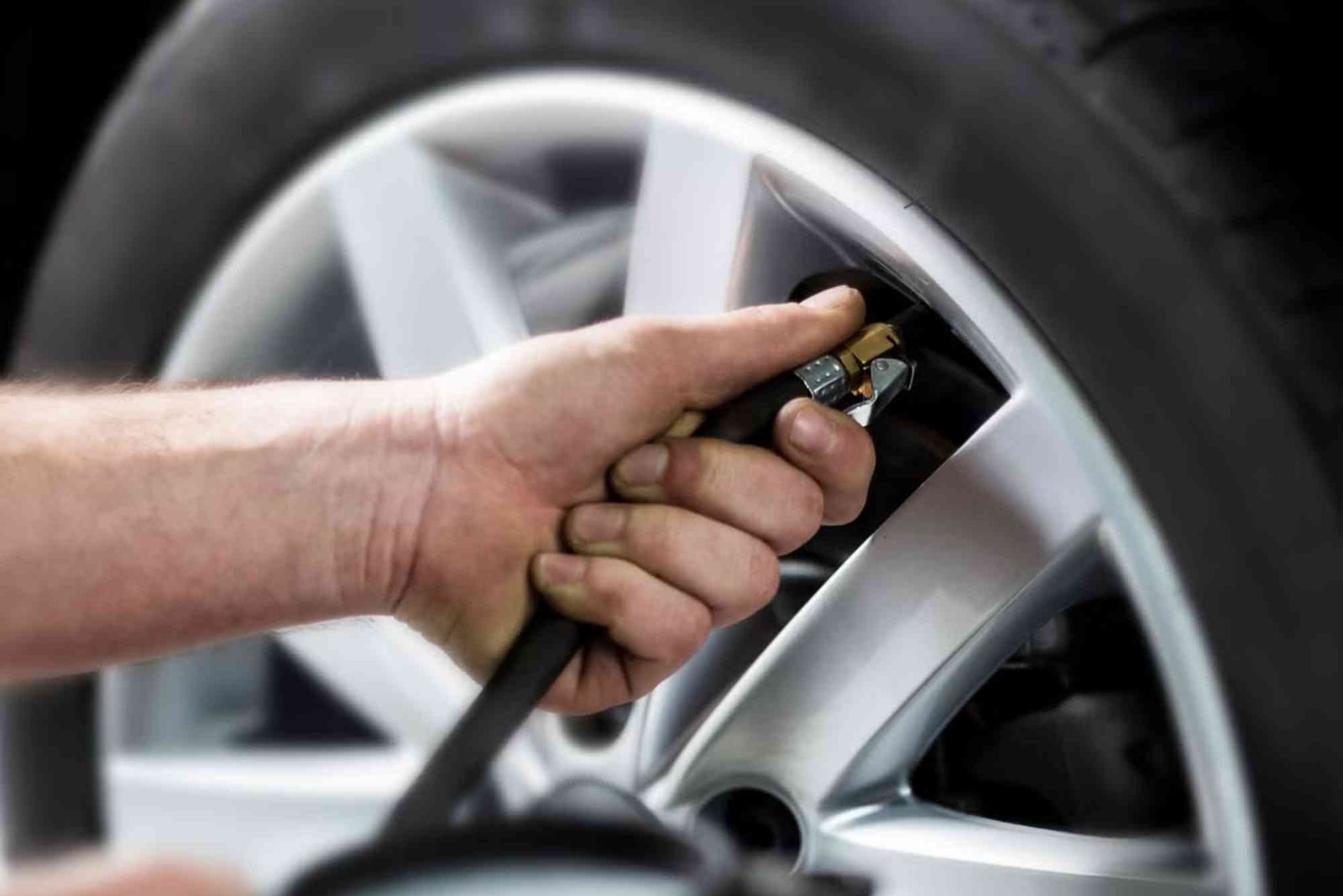
One of the most effective ways to practice How to Take Good Care of Vehicle Tires is maintaining proper tire pressure. Many drivers do not realize that tires naturally lose air over time. Changes in weather can also affect tire pressure. Underinflated tires create more rolling resistance, which causes increased fuel consumption and uneven tread wear.
Overinflated tires can be equally harmful. They reduce road contact, making the ride less comfortable and increasing the risk of damage from potholes.
Follow Manufacturer Recommendations
Always use the tire pressure recommended by your vehicle manufacturer. This information is usually found inside the driver’s door frame or in the owner’s manual.

Checking tire pressure at least once a month helps ensure optimal performance.
Inspect Pressure Before Long Trips
Before traveling long distances, inspect all tires, including the spare tire. This simple habit can prevent unexpected breakdowns and improve overall safety.
Rotate Tires on Schedule
Tire rotation is another key part of How to Take Good Care of Vehicle Tires. Different tires wear at different rates depending on their position on the vehicle.
For example, front tires often wear faster because they handle steering and a larger portion of braking forces.
Benefits of Tire Rotation
Regular tire rotation helps distribute wear evenly across all tires. This practice extends tire life and improves handling.
Most manufacturers recommend rotating tires every 5,000 to 8,000 miles, although specific intervals may vary.
Watch for Uneven Wear
During tire rotation, inspect tread patterns carefully. Uneven wear may indicate alignment issues, improper inflation, or suspension problems.
Monitor Tire Tread Depth
Tread depth plays a critical role in road safety. It affects traction, especially during rainy conditions.
Drivers who understand How to Take Good Care of Vehicle Tires know the importance of monitoring tread wear regularly.
Perform the Coin Test
A simple coin test can help determine whether tires still have adequate tread depth. If the tread appears too shallow, replacement may be necessary.
Replace Worn Tires Promptly
Driving on worn tires increases stopping distance and reduces grip. Replacing tires before they become dangerously worn helps maintain safety and performance.
Maintain Proper Wheel Alignment
Wheel alignment has a major impact on tire health. Misaligned wheels cause tires to wear unevenly and may affect steering control.
Signs of Poor Alignment
A vehicle that pulls to one side often indicates alignment problems. Uneven tread wear is another common warning sign.
Schedule Alignment Checks
Alignment should be checked whenever new tires are installed or after hitting a large pothole. Regular inspections help prevent unnecessary tire damage.
Balance Your Tires Correctly
Tire balancing ensures weight is distributed evenly around each wheel and tire assembly.
Unbalanced tires can create vibrations, especially at higher speeds. Over time, these vibrations contribute to uneven wear and reduced driving comfort.
Benefits of Balanced Tires
Balanced tires improve ride quality, increase tire lifespan, and reduce stress on suspension components.
Balance During Tire Service
Whenever tires are replaced or rotated, balancing should be considered as part of routine maintenance.
Inspect Tires for Damage
Regular visual inspections are a crucial part of How to Take Good Care of Vehicle Tires.
Small problems can quickly become serious if ignored. Therefore, inspecting tires frequently can prevent costly repairs and dangerous situations.
Look for Cracks and Bulges
Cracks in the sidewall may indicate aging rubber. Bulges often suggest internal damage and require immediate attention.
Remove Embedded Objects
Nails, screws, and other debris can cause slow leaks. Identifying these issues early helps avoid sudden tire failure.
Drive Responsibly to Protect Tires
Driving habits significantly affect tire longevity. Aggressive driving accelerates wear and increases the likelihood of tire damage.
Avoid Sudden Acceleration
Rapid acceleration causes excessive friction and can wear tread prematurely.
Brake Smoothly
Hard braking creates flat spots and uneven tread wear. Smooth braking preserves tire condition and improves safety.
Take Corners Carefully
Sharp turns at high speeds place extra stress on tire sidewalls. Taking corners gradually helps extend tire life.
Protect Tires from Extreme Conditions
Environmental factors can influence tire performance and lifespan.
Be Cautious Around Potholes
Potholes can damage sidewalls, wheels, and suspension components. Slow down whenever road conditions permit.
Avoid Overloading the Vehicle
Excessive weight increases pressure on tires. Always stay within the vehicle’s recommended load limits.
Store Tires Properly
If you use seasonal tires, proper storage is essential. Keep them in a cool, dry location away from direct sunlight and chemicals.
Keep Tires Clean
Many drivers overlook tire cleaning when learning How to Take Good Care of Vehicle Tires. However, keeping tires clean can help identify problems and preserve rubber quality.
Road salt, dirt, and chemical contaminants can accelerate tire deterioration over time.
Use Mild Cleaning Products
Avoid harsh chemicals that may damage rubber compounds. Mild soap and water are usually sufficient.
Inspect While Cleaning
Cleaning provides an excellent opportunity to check for cuts, cracks, and unusual wear patterns.
Understand the Impact of Temperature
Temperature changes affect tire pressure and performance.
Cold weather typically lowers tire pressure, while hot weather increases it. These fluctuations can influence handling and fuel efficiency. Checking pressure during seasonal transitions is an effective way to maintain proper tire condition. Drivers who understand How to Take Good Care of Vehicle Tires make seasonal inspections part of their maintenance routine. Know When to Replace Tires
Even well-maintained tires eventually wear out. Understanding replacement indicators is essential for safety.
Check Tire Age
Rubber deteriorates over time, regardless of mileage. Many experts recommend replacing tires after six to ten years, depending on manufacturer guidelines.
Watch for Performance Changes
Reduced traction, increased vibration, or visible damage may indicate the need for replacement.
Replace Tires in Sets When Possible
Replacing tires in pairs or complete sets helps maintain balanced handling and performance.
Seasonal Tire Care Tips
Different seasons present unique challenges for tire maintenance. During summer, high temperatures can increase pressure and accelerate wear. Regular inspections become even more important.Winter conditions often require specialized tires designed for snow and ice. Drivers in colder climates should consider switching to winter tires when temperatures consistently drop.
Spring and fall provide ideal opportunities for comprehensive tire inspections and maintenance. By adapting tire care to seasonal conditions, you can maximize performance throughout the year.
Common Tire Maintenance Mistakes to Avoid
Many vehicle owners unknowingly shorten tire life through avoidable mistakes.
Ignoring pressure checks is one of the most common errors. Another frequent mistake is delaying alignment or rotation services. Some drivers also neglect spare tire maintenance. A spare tire is only useful if it remains properly inflated and in good condition.
Conclusion
Learning How to Take Good Care of Vehicle Tires is one of the smartest investments you can make as a vehicle owner. Proper tire maintenance improves safety, enhances performance, increases fuel efficiency, and extends tire lifespan. Simple habits such as checking tire pressure, rotating tires regularly, maintaining alignment, and driving responsibly can make a significant difference.
Keeping your car clean and comfortable is essential for a pleasant driving experience. Following effective Tips for Maintaining Vehicle Interior helps preserve upholstery, dashboard, and carpets from dust, stains, and wear. Regular cleaning, proper vacuuming, and using protective covers can extend the life of your vehicle’s interior and maintain its value over time Regular care also improves resale value and driving comfort Consistently
Frequently Asked Questions
How often should I check my tire pressure?
You should check tire pressure at least once a month and before any long trip. Regular monitoring helps maintain safety and fuel efficiency.
How often should tires be rotated?
Most vehicles benefit from tire rotation every 5,000 to 8,000 miles. Always consult your owner’s manual for specific recommendations.
What causes uneven tire wear?
Uneven wear may result from improper inflation, poor wheel alignment, unbalanced tires, or suspension issues.
How do I know when my tires need replacement?
Replace tires when tread depth becomes too low, visible damage appears, or tire age exceeds manufacturer recommendations.
Can proper tire care improve fuel economy?
Yes. Properly inflated and well-maintained tires reduce rolling resistance, helping improve fuel efficiency.
Is wheel alignment really necessary?
Yes. Correct alignment promotes even tire wear, better handling, and longer tire life.
Related Reading: How to Prevent Vehicle Damage