Introduction
Understanding How to Prevent Vehicle Damage is essential for every vehicle owner who wants to avoid costly repairs and ensure long-term performance. Whether you drive daily or occasionally, your vehicle faces constant exposure to road stress, weather conditions, and mechanical wear.
Most damage does not happen suddenly. It builds up slowly due to neglect, poor driving habits, and lack of regular inspection. By learning How to Prevent Vehicle Damage, you can significantly extend your car’s lifespan and improve safety on the road.
This guide explains practical and real-world strategies used by experienced drivers and mechanics. It also shows how simple habits can save you from major repair costs.
Why Preventing Vehicle Damage Matters
Preventing damage is always cheaper than repairing it. Even minor issues can escalate into serious mechanical failures if ignored.
When you understand How to Prevent Vehicle Damage, you reduce the risk of breakdowns, accidents, and expensive replacements. It also improves fuel efficiency and overall driving comfort.
A well-maintained vehicle also holds better resale value. Buyers always prefer cars with a clean maintenance history and minimal wear.

Regular Maintenance is the Foundation of Protection
One of the most important aspects of How to Prevent Vehicle Damage is consistent maintenance. Every vehicle has scheduled service intervals for a reason.
Oil changes, filter replacements, and brake inspections should never be delayed. These small steps protect the engine from long-term wear.
Tires also need regular attention. Proper air pressure and alignment reduce uneven wear and improve control on the road.
Ignoring maintenance often leads to hidden damage that becomes expensive later.
Safe Driving Habits That Reduce Damage
Driving style plays a major role in How to Prevent Vehicle Damage. Aggressive driving puts unnecessary stress on the engine, brakes, and suspension.
Smooth acceleration helps the engine perform efficiently. Sudden braking should also be avoided unless necessary.
Speed bumps should be crossed slowly. High-speed impact can damage suspension systems and underbody components.
Parking carefully is also important. Tight spaces increase the risk of scratches, dents, and bumper damage.
Protection Against Weather and Environmental Damage
Weather conditions can silently damage your vehicle over time. Sun exposure fades paint and weakens interior materials.
Rain and moisture can lead to rust formation, especially in older vehicles. Dust and pollution also affect filters and engine performance.
Using protective covers is a simple but effective step in How to Prevent Vehicle Damage. Parking in shaded or covered areas reduces long-term exposure.
Regular washing removes dirt and chemicals that may damage the paint surface.
Importance of Quality Packaging and Transport Safety
Many vehicles get damaged during transportation or storage due to poor handling. Proper protection materials are essential.
For example, strong cube boxes are often used in shipping automotive parts to avoid impact damage during delivery. These protective solutions ensure parts remain intact before installation.
Similarly, professional-grade bagel packaging style cushioning methods are sometimes used in fragile item transport systems to reduce vibration impact. These protective methods inspire better handling practices in vehicle logistics.
Understanding these protection systems helps in learning How to Prevent Vehicle Damage even before parts reach your vehicle.
Mechanical Care and Early Problem Detection
Early detection is one of the most powerful tools in How to Prevent Vehicle Damage. Small issues should never be ignored.
Strange noises, vibrations, or warning lights often indicate hidden problems. Identifying them early prevents major mechanical failure.
Brake pads, battery health, and engine fluids should be checked regularly. A minor leak today can become a major repair tomorrow.
Professional inspections every few months are highly recommended for long-term safety.
Interior Care and Long-Term Vehicle Value
Vehicle interiors also need protection. Sunlight and heat can damage dashboards, seats, and electronic systems.
Using sunshades and seat covers helps maintain interior quality. Cleaning spills immediately prevents permanent stains.
Air conditioning systems should be serviced regularly to maintain air quality.
Interior maintenance is a key part of How to Prevent Vehicle Damage because it directly affects comfort and resale value.
Table: Common Vehicle Damage Causes and Prevention Methods
Below is a simple breakdown of common issues and how to avoid them:
| Damage Type | Main Cause | Prevention Method |
|---|---|---|
| Engine Wear | Poor oil maintenance | Regular oil changes |
| Brake Damage | Aggressive braking | Smooth and controlled driving |
| Paint Damage | Sun and dust exposure | Covering and regular washing |
| Tire Wear | Incorrect pressure | Regular air pressure checks |
| Suspension Damage | Rough road driving | Slow driving on bumps and potholes |
This table clearly shows How to Prevent Vehicle Damage through simple corrective actions.
Technology and Modern Vehicle Protection
Modern vehicles come with advanced safety systems that help reduce damage. Sensors, cameras, and alerts assist drivers in avoiding collisions.
Parking assistance systems reduce bumper scratches. Lane assist features help prevent side impact accidents.
Using these technologies correctly is an important part of How to Prevent Vehicle Damage in today’s world.
However, technology should support safe driving habits, not replace them.
Cost Benefits of Preventing Vehicle Damage
Preventing damage is far more cost-effective than repairing it. Small investments in maintenance save large repair bills later.
For example, replacing brake pads early is cheaper than repairing brake rotors. Similarly, timely oil changes prevent engine rebuild costs.
Insurance claims also reduce when your vehicle is well maintained.
Learning How to Prevent Vehicle Damage is not just about safety, but also financial planning.
Common Mistakes That Lead to Vehicle Damage
Many drivers unknowingly damage their vehicles through simple mistakes.
Ignoring dashboard warning lights is one of the biggest errors. Delaying service appointments also increases risk.
Overloading the vehicle puts stress on tires and suspension systems.
Using low-quality fuel or parts can also reduce engine life.
Avoiding these mistakes is essential in mastering How to Prevent Vehicle Damage effectively.
Seasonal Care Tips for Vehicle Protection
Different seasons require different care strategies. In summer, overheating is a major risk.
In winter, battery and tire performance can decline. Rainy seasons increase rust and brake issues.
Adjusting maintenance according to seasons is a smart way to apply How to Prevent Vehicle Damage throughout the year.
Simple seasonal checks can prevent unexpected breakdowns.
Professional Servicing vs DIY Care
Both professional servicing and DIY care play important roles. While basic cleaning and checks can be done at home, technical inspections require experts.
Professional mechanics can detect issues that are not visible to the driver.
Balancing both approaches ensures complete protection and better understanding of How to Prevent Vehicle Damage.
Conclusion
Understanding How to Prevent Vehicle Damage is essential for every vehicle owner who wants long-term safety, performance, and savings. Most damage can be avoided through simple habits, regular maintenance, and careful driving.
From protecting your car against weather to practicing smooth driving techniques, every step matters. Even small actions contribute to long-term protection.
By applying the strategies discussed in this guide, you can reduce repair costs, extend vehicle life, and improve overall driving experience.
If you want to keep your vehicle in top condition, start applying these tips today and make prevention a daily habit.
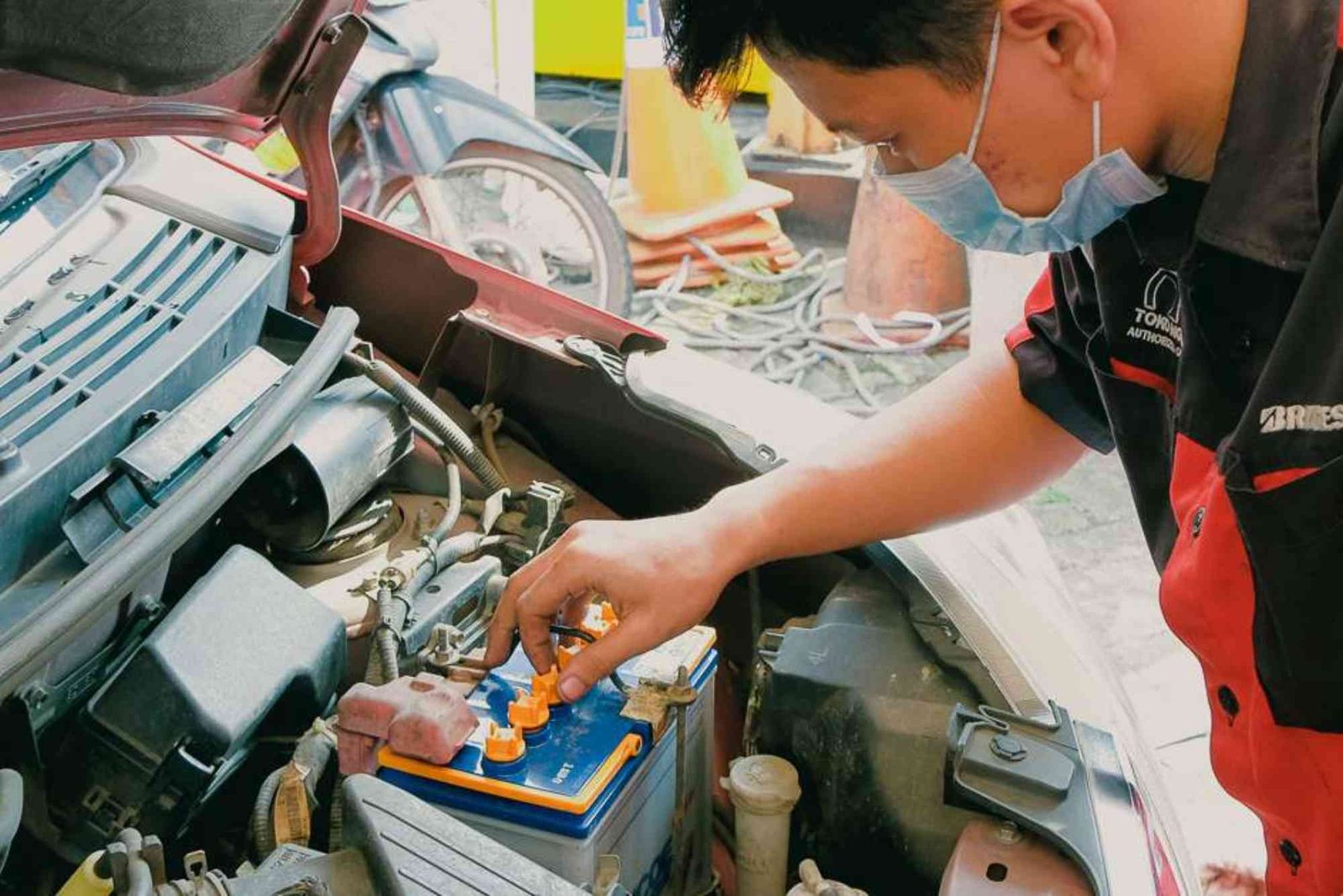
How to Properly Care for Your Vehicle Battery: Proper maintenance of your vehicle battery ensures long life and reliable performance. Keep terminals clean, check fluid levels, avoid leaving lights on, and drive regularly to maintain charge. In extreme weather, inspect battery condition often and replace it when needed to prevent sudden breakdowns.
FAQ:
What is the best way to prevent vehicle damage?
The best way is regular maintenance combined with safe driving habits. Routine inspections help detect issues early.
How often should I service my vehicle to avoid damage?
Most vehicles should be serviced every 5,000 to 10,000 kilometers depending on usage and manufacturer guidelines.
Can driving style really affect vehicle damage?
Yes, aggressive driving increases wear on brakes, engine, and suspension. Smooth driving helps extend vehicle life.
How does weather affect vehicle condition?
Sun, rain, and dust can damage paint, engine parts, and interiors over time. Proper protection reduces this impact.
Is parking important in preventing vehicle damage?
Yes, safe parking reduces risks of scratches, dents, and environmental exposure. Covered parking is highly recommended.
Related Reading: How to Take Good Care of Vehicle Tires — full guide
Related Reading: Habits that extend the lifespan of a vehicle — full guide