Introduction
Learning how to reduce vehicle damage is essential for every car owner who wants to avoid high repair costs and keep their vehicle in good condition for a long time. Vehicles face constant stress from roads, weather, and daily use, which slowly leads to wear and tear.
Many drivers only think about repairs after damage occurs. However, prevention is always cheaper and more effective. With the right driving habits, timely maintenance, and basic care, you can significantly extend the life of your vehicle while improving safety and performance.
This guide explains practical and real-world methods to protect your vehicle, reduce unnecessary repair costs, and maintain long-term reliability.
Understanding Vehicle Damage and Its Main Causes
Vehicle damage usually develops slowly, and most drivers do not notice it until it becomes serious. Poor driving habits like sudden braking, hard acceleration, and aggressive steering put extra pressure on the engine, brakes, and suspension system. Over time, this leads to expensive repairs.
Lack of regular maintenance is another major cause. When oil changes, filter replacements, or inspections are delayed, the engine starts to lose efficiency and parts wear out faster. Road conditions also play a big role because potholes, rough surfaces, and debris can damage tires, alignment, and suspension.
Weather exposure adds further risk. Heat can damage paint and battery life, while rain and dust increase rust and internal wear. Understanding these causes is the first step in learning how to reduce vehicle damage effectively.

Regular Maintenance to Reduce Vehicle Damage
Regular maintenance is the foundation of vehicle protection. Engine oil should be checked and replaced at recommended intervals because it keeps the engine clean and reduces friction between moving parts. Ignoring oil changes can lead to overheating and serious engine damage.
Brake system checks are equally important because worn brake pads reduce stopping power and increase safety risks. Tires should also be inspected regularly since incorrect pressure or uneven wear affects fuel efficiency and handling.
Battery condition, coolant levels, and air filters must also be checked frequently. A well-maintained vehicle not only performs better but also avoids unexpected breakdowns and expensive repairs.
Safe Driving Habits That Reduce Vehicle Damage
Driving behavior has a direct impact on vehicle health. Smooth and controlled driving reduces stress on engine components and braking systems. Sudden braking should be avoided because it wears down brake pads quickly and reduces overall safety.
Gradual acceleration is also important because it prevents engine strain and improves fuel efficiency. Maintaining a safe distance from other vehicles reduces the need for frequent braking, which protects both tires and brakes.
Overloading the vehicle should also be avoided because extra weight puts pressure on the suspension system and reduces tire lifespan. Careful driving habits are one of the easiest and most effective ways to reduce vehicle damage.
External Protection for Your Vehicle
External protection plays a key role in maintaining your car’s condition. Parking in shaded or covered areas helps reduce heat damage, especially to paint, dashboard, and battery. If covered parking is not available, using a car cover can protect against dust, rain, and sunlight.
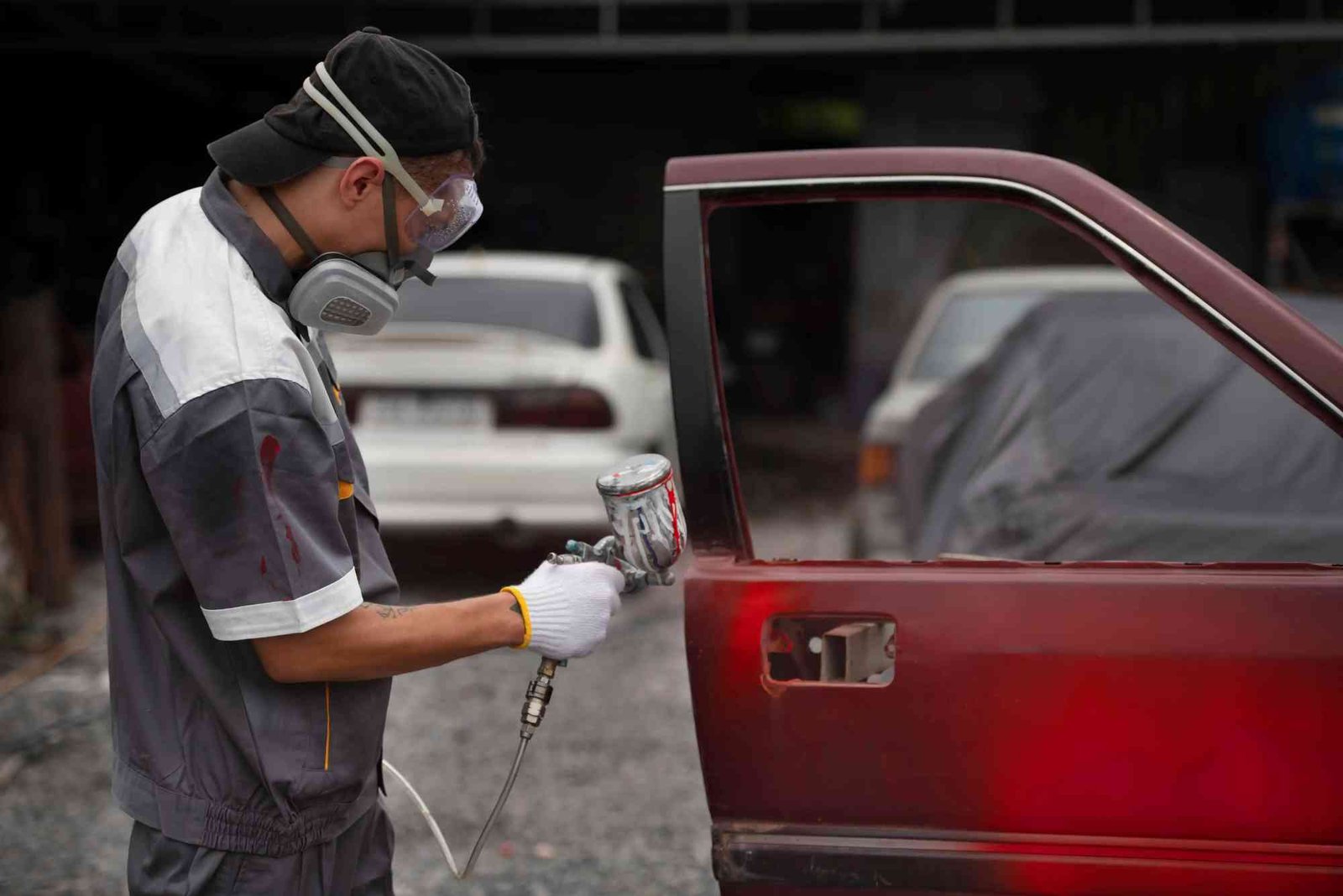
Regular washing is also important because dirt, salt, and chemicals can cause rust and corrosion over time. Applying wax adds an extra protective layer that keeps the paint shiny and prevents fading.
Taking care of external factors ensures that your vehicle maintains both its appearance and structural integrity over the years.
Interior Care to Reduce Vehicle Damage
The interior of a vehicle is often ignored, but it also needs proper care. Direct sunlight can cause dashboard cracks and fading, so using sunshades helps protect the interior materials.
Seats should be cleaned regularly to avoid stains and material damage. Avoiding eating inside the car reduces spills and unpleasant odors that are difficult to remove later. Floor mats should also be cleaned frequently to prevent dirt buildup and moisture damage.
A clean interior not only improves comfort but also increases resale value.
Cost, Fees, and Process of Vehicle Maintenance
Understanding maintenance costs helps in better financial planning. Routine servicing usually includes oil changes, filter replacements, and inspections, which are generally affordable compared to major repairs.
Brake replacement costs depend on vehicle type and parts quality, while tire replacement varies based on brand and road usage. Annual maintenance packages offered by service centers can reduce overall expenses by covering basic inspections and minor repairs.
The maintenance process typically starts with a vehicle inspection, followed by identification of issues, replacement of worn parts, and final performance testing. Regular investment in maintenance is always more cost-effective than repairing major damage later.
Technology That Helps Reduce Vehicle Damage
Modern technology has made vehicle protection easier and more effective. Parking sensors help prevent minor collisions in tight spaces. Dash cameras record driving events, which can be useful in case of accidents or disputes.
Tire pressure monitoring systems alert drivers when tire pressure is low, preventing uneven wear and blowouts. GPS tracking systems improve security and help monitor vehicle usage patterns.
Using these technologies reduces risks and improves overall driving safety.
Long-Term Strategies for Reducing Vehicle Damage
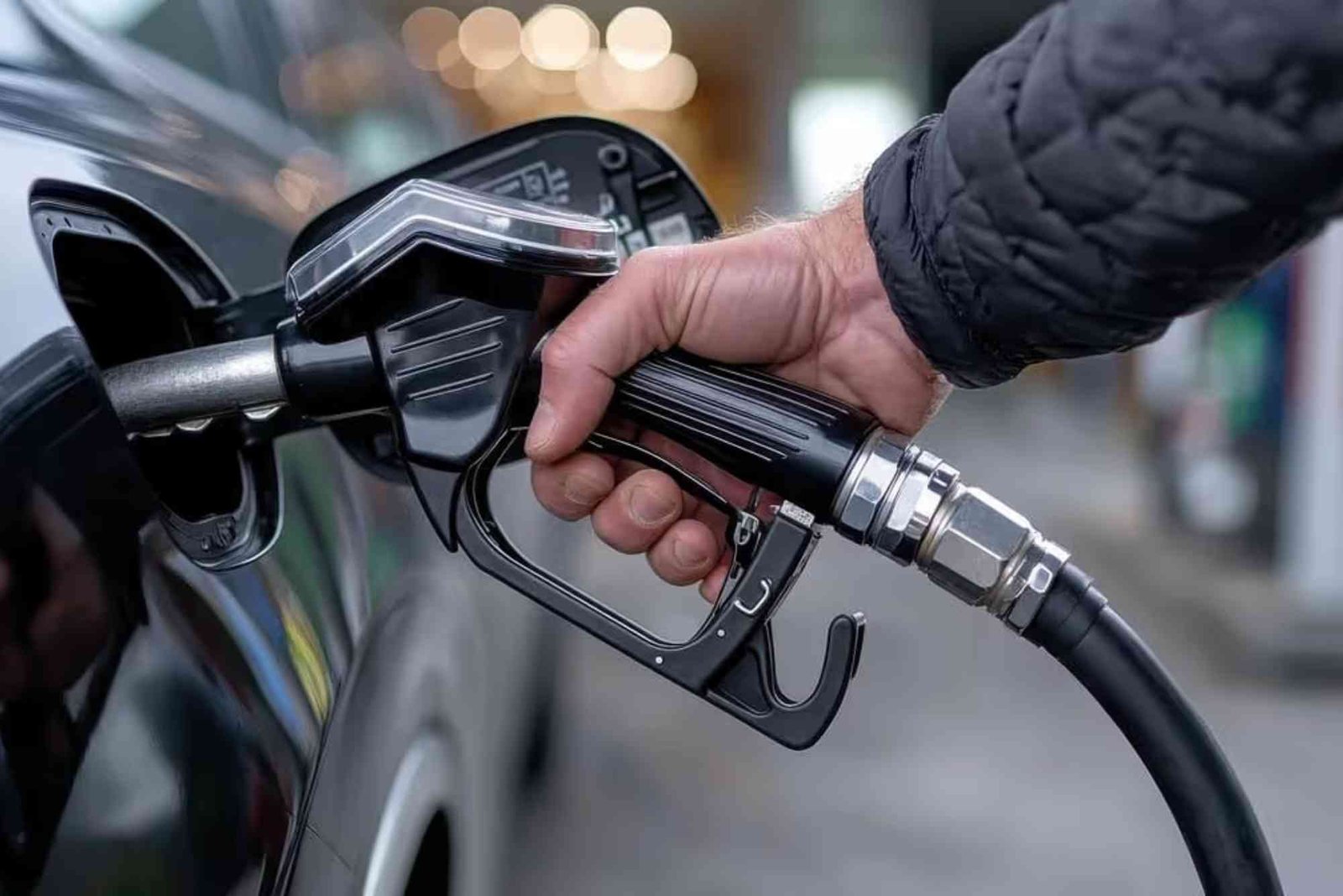
Long-term vehicle protection requires consistency. Following the manufacturer’s service schedule ensures that all parts are inspected and maintained on time. Using high-quality fuel helps prevent engine deposits and improves performance.
Replacing worn-out parts early prevents small issues from turning into major failures. Driving carefully in bad weather conditions such as rain, fog, or heat also reduces accident risks and mechanical stress.
Consistency in care is the most important factor in learning how to reduce vehicle damage over time.
Common Mistakes That Increase Vehicle Damage
Many drivers unintentionally damage their vehicles by ignoring warning lights on the dashboard. These alerts are early signs of potential problems and should never be ignored.
Delaying repairs often turns small issues into expensive breakdowns. Using low-quality spare parts can also reduce performance and increase long-term costs. Skipping oil changes or inspections is another common mistake that leads to engine damage.
Avoiding these mistakes helps keep your vehicle safe and reliable.
Environmental Factors That Affect Vehicle Damage
Environmental conditions have a strong impact on vehicle health. Extreme heat can damage paint, rubber parts, and batteries. Rain and moisture increase the risk of rust and electrical issues.
Dusty and sandy environments clog air filters and reduce engine performance. Cold weather can make engines harder to start and affect fluid movement inside the system.
Protecting your vehicle from these conditions is an important part of long-term maintenance.
Tips to Reduce Repair Costs
Reducing repair costs starts with prevention. Regular maintenance is always cheaper than major repairs. Comparing service centers helps you find affordable and reliable options.
Using warranty coverage when available can significantly reduce expenses. Keeping a maintenance record also helps track issues and avoid unnecessary spending.
Smart planning ensures long-term savings and better vehicle performance.
Safe and Comfortable Driving Tips: Safe and comfortable driving means staying alert, following traffic rules, maintaining proper speed, and keeping a safe distance from other vehicles. Always wear your seatbelt, avoid distractions like mobile phones, and ensure your car is well-maintained for a smooth and secure driving experience every time you travel on the road.
FAQs
What is the most effective way to reduce vehicle damage?
The most effective way is regular maintenance combined with safe driving habits and timely repairs.
How often should a vehicle be serviced?
Most vehicles should be serviced every few thousand miles or according to the manufacturer’s manual.
Does parking affect vehicle condition?
Yes, parking in shade or covered areas protects the vehicle from heat and weather damage.
Can driving style increase vehicle damage?
Yes, aggressive driving increases wear on brakes, tires, and engine components.
Is regular washing important for vehicle protection?
Yes, it prevents rust, removes harmful dirt, and protects paint quality.
Understanding how to reduce vehicle damage is essential for saving money, improving safety, and extending vehicle life. Simple habits like regular servicing, careful driving, and proper protection can make a huge difference in long-term performance.
Instead of waiting for problems, taking preventive action ensures fewer breakdowns and lower repair costs.