Improving your car’s performance is not only about speed. It is also about efficiency, reliability, and driving comfort. Many drivers search for how to improve vehicle performance because they want smoother rides, better fuel economy, and longer engine life. The good news is that you do not always need expensive upgrades to see real results.
In this guide, you will learn practical and proven ways to improve vehicle performance. These tips are easy to follow and suitable for beginners as well as experienced drivers. With the right approach, your vehicle can perform better, last longer, and feel more responsive on the road.
Understanding Vehicle Performance Basics
Before making changes, it is important to understand what vehicle performance really means. It includes engine power, fuel efficiency, handling, and braking. When all these factors work together, your car runs smoothly and efficiently.
Several elements affect performance. These include engine condition, tire quality, fuel type, and driving habits. Even small improvements in these areas can make a big difference. That is why learning how to improve vehicle performance starts with understanding these basics.
Regular Maintenance for Better Performance
Keep Your Engine Tuned
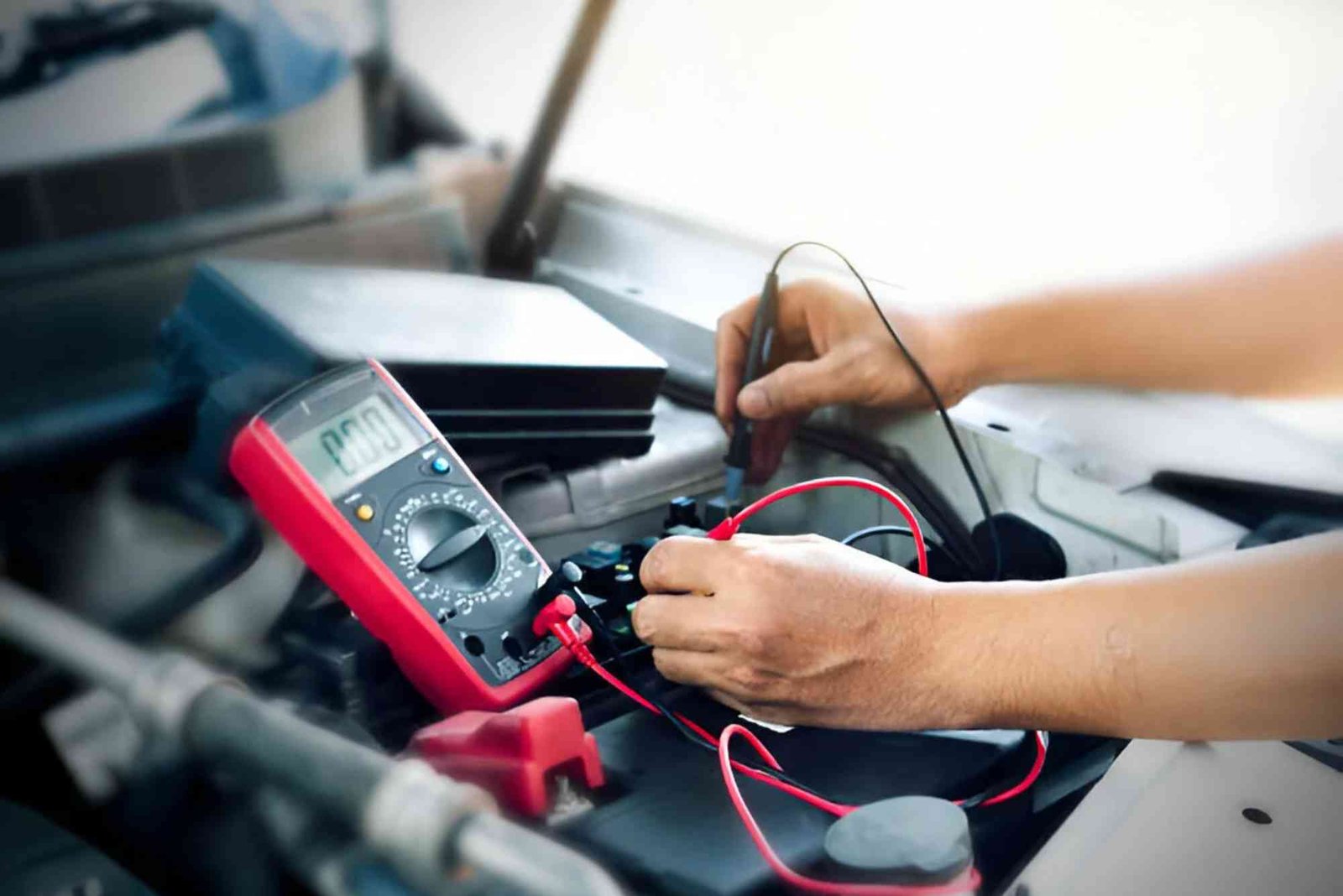
A well-tuned engine is the foundation of good performance. Regular servicing ensures that all engine components work properly. Spark plugs, air filters, and fuel injectors must be clean and in good condition.
When your engine is tuned, it burns fuel more efficiently. This leads to better power output and improved mileage. Therefore, regular engine checkups are essential.
Change Oil on Time
Engine oil plays a vital role in reducing friction. Old or dirty oil can slow down engine performance. It also increases wear and tear.
Changing oil at recommended intervals keeps the engine smooth and efficient. As a result, your vehicle runs better and lasts longer.
Check and Replace Filters
Air filters and fuel filters directly affect performance. A clogged air filter reduces airflow, which lowers engine power. Similarly, a dirty fuel filter affects fuel delivery.
Replacing these filters improves combustion and helps your engine perform at its best. This is a simple yet effective step in how to improve vehicle performance.
Improve Fuel Efficiency
Use High-Quality Fuel
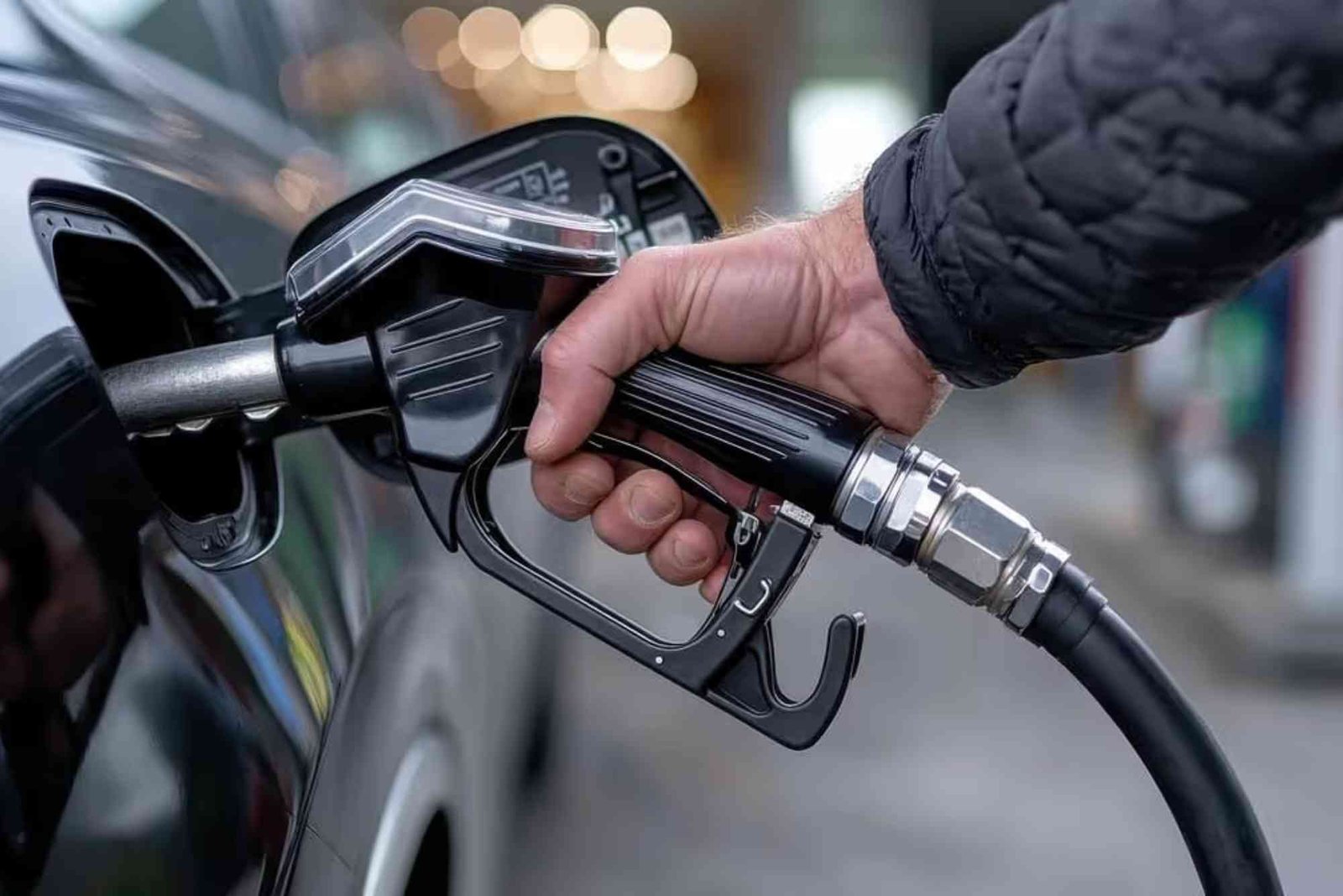
Fuel quality matters more than many people think. Low-quality fuel can cause engine knocking and reduce efficiency. On the other hand, high-quality fuel burns cleaner and improves performance.
Always choose fuel that matches your vehicle’s requirements. This small change can lead to noticeable improvements.
Maintain Proper Tire Pressure
Tire pressure affects fuel consumption and handling. Underinflated tires create more resistance, which forces the engine to work harder.
Keeping tires properly inflated improves fuel efficiency and driving comfort. It is one of the easiest ways to improve vehicle performance.
Avoid Excess Weight
Carrying unnecessary weight puts extra strain on the engine. This reduces fuel efficiency and slows down performance.
Remove heavy items from your car if they are not needed. A lighter vehicle performs better and uses less fuel.
Upgrade Key Components
Install a High-Performance Air Filter
Upgrading to a high-performance air filter can increase airflow to the engine. This leads to better combustion and improved power.
These filters also last longer than standard ones. Therefore, they are a smart investment for long-term performance gains.
Upgrade Exhaust System
A better exhaust system helps remove gases more efficiently. This improves engine breathing and increases power output.
Although it may cost more, the results are often noticeable. Many drivers consider this upgrade when learning how to improve vehicle performance.
Use Better Tires
Tires play a crucial role in performance. High-quality tires provide better grip, handling, and stability.
Choosing the right tires for your driving conditions enhances safety and overall driving experience.
Improve Driving Habits
Drive Smoothly
Aggressive driving reduces performance and increases fuel consumption. Sudden acceleration and braking put stress on the engine.
Driving smoothly improves efficiency and reduces wear on vehicle components. It also makes your ride more comfortable.
Avoid Idling
Leaving your engine running while parked wastes fuel. It also reduces engine efficiency over time.
Turn off the engine if you are stopping for more than a minute. This simple habit can improve overall performance.
Shift Gears Properly
Proper gear shifting is important for manual vehicles. Shifting too early or too late can affect engine performance.
Learn the correct timing for gear changes. This helps maintain engine efficiency and improves driving control.
Keep Your Vehicle Clean
Clean Exterior and Interior
A clean car is not just about appearance. Dirt and debris can affect aerodynamics and add unnecessary weight.
Regular cleaning improves airflow around the vehicle. This can slightly enhance performance, especially at higher speeds.
Maintain Engine Bay Cleanliness
A clean engine bay helps in better heat management. Dust and grime can trap heat and reduce efficiency.
Keeping the engine area clean ensures proper cooling and smoother operation.
Use Technology and Tools
Monitor Performance with Apps
Modern apps can track fuel efficiency, engine health, and driving habits. These tools provide valuable insights.
By analyzing data, you can identify areas for improvement. This makes it easier to understand how to improve vehicle performance.
Install Performance Chips
Performance chips can optimize engine settings. They adjust fuel and air mixture for better output.
While not necessary for everyone, they can provide noticeable improvements for some vehicles.
Focus on Aerodynamics
Aerodynamics affects how your vehicle moves through air. Poor aerodynamics create drag, which reduces speed and efficiency.
Simple changes can help. Removing roof racks when not in use reduces drag. Keeping windows closed at high speeds also improves airflow.
Improving aerodynamics is often overlooked. However, it plays an important role in overall vehicle performance.
Ensure Proper Alignment and Suspension
Wheel alignment and suspension systems affect handling and tire wear. Misaligned wheels reduce efficiency and cause uneven tire wear.
Regular alignment checks keep your vehicle stable and efficient. A good suspension system also improves comfort and control. These factors are essential when considering how to improve vehicle performance.
Conclusion
Learning how to improve vehicle performance does not require complex steps. Small changes can lead to big results. Regular maintenance, better driving habits, and smart upgrades all contribute to improved performance.
Developing Important Vehicle Maintenance Habits is essential to keep your car running smoothly, improve fuel efficiency, and extend engine life. Regular oil changes, tire checks, and timely servicing can prevent costly repairs. Follow consistent care routines and always stay alert to early warning signs for better safety and long-term performance.
FAQs
How can I improve my car performance quickly?
You can improve performance quickly by checking tire pressure, changing engine oil, and cleaning air filters. These steps provide instant results.
Does premium fuel improve vehicle performance?
Premium fuel can improve performance if your car requires it. Otherwise, it may not make a noticeable difference.
How often should I service my car for better performance?
Most vehicles should be serviced every 5,000 to 10,000 kilometers. Always follow the manufacturer’s recommendations.
Can driving habits affect vehicle performance?
Yes, driving habits play a major role. Smooth driving improves fuel efficiency and reduces wear on the engine.
Do performance upgrades really work?
Yes, upgrades like better air filters and exhaust systems can improve performance. However, results depend on your vehicle type.