Introduction
A wheel bearing is one of the most important yet often ignored components of a vehicle’s wheel assembly. It allows the wheels to rotate smoothly with minimal friction while supporting the vehicle’s weight. When it starts failing, the driving experience changes quickly and safety can be compromised.
Understanding the Symptoms of a Damaged Wheel Bearing in a Car and How to Fix It is essential for every driver. Early detection can prevent costly repairs and serious road hazards. Many drivers confuse wheel bearing issues with tire or brake problems, which often leads to delayed repairs.
In this guide, you will learn how to identify warning signs, what causes wheel bearing damage, how to diagnose it properly, and the best ways to fix and prevent it in the future. This detailed breakdown will help you make informed decisions and keep your vehicle safe on the road.
What Is a Wheel Bearing and Why It Matters
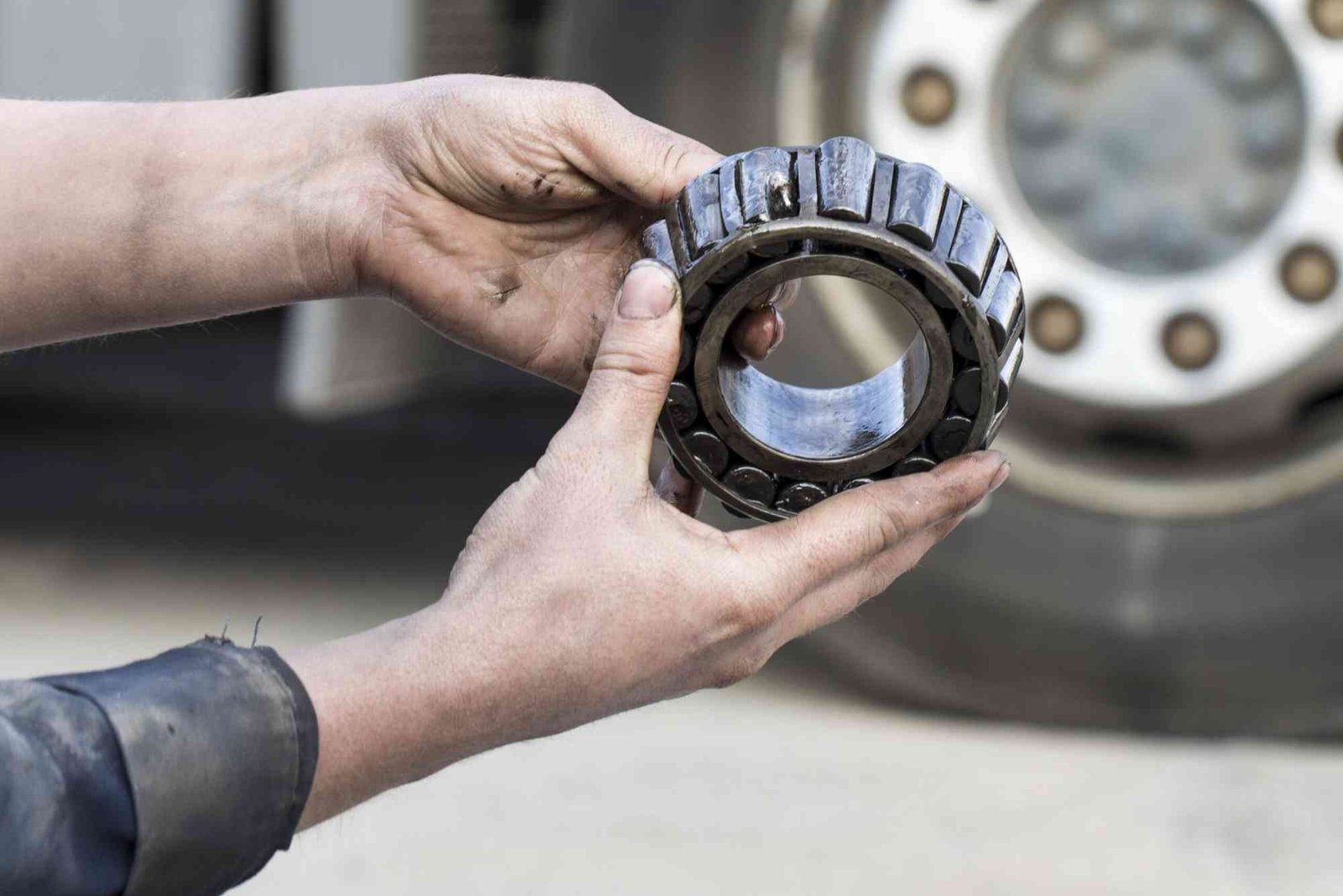
A wheel bearing is a set of steel balls or rollers enclosed in a metal ring. It sits inside the wheel hub and ensures smooth wheel rotation with minimal friction.
When it functions properly, you hardly notice it. However, when it begins to fail, the Symptoms of a Damaged Wheel Bearing in a Car and How to Fix It become noticeable through sound, vibration, and handling issues.
Wheel bearings also play a critical role in vehicle stability. A damaged bearing can affect steering precision and braking performance, making driving unsafe if ignored.

Common Symptoms of a Damaged Wheel Bearing in a Car
Humming or Grinding Noise from Wheels
One of the earliest and most noticeable signs is a constant humming or grinding noise. This sound usually increases with speed and becomes louder when turning.
When you notice this, it is often one of the clearest Symptoms of a Damaged Wheel Bearing in a Car and How to Fix It before the issue worsens.
Steering Wheel Vibration
A failing wheel bearing can create uneven wheel rotation. This leads to vibration in the steering wheel, especially at higher speeds.
The vibration may feel subtle at first but becomes stronger as the damage progresses.
Uneven Tire Wear
Damaged wheel bearings can affect wheel alignment. This leads to uneven tire wear patterns, often mistaken for suspension issues.
If left unchecked, this symptom becomes expensive because it also shortens tire life significantly.
Loose or Wobbly Wheel Feel
In advanced cases, the wheel may feel loose or unstable. This is a serious warning sign that the bearing is nearing complete failure.
At this stage, the Symptoms of a Damaged Wheel Bearing in a Car and How to Fix It should be addressed immediately to avoid wheel detachment risk.
ABS Warning Light Activation
Modern vehicles may trigger the ABS light when wheel speed sensors are affected by bearing damage.
This indirect symptom is often overlooked but is an important diagnostic clue.
Causes of Wheel Bearing Damage
Poor Road Conditions
Driving on rough roads, potholes, and uneven surfaces increases stress on wheel bearings. Over time, this leads to wear and failure.
Lack of Lubrication
Wheel bearings require proper lubrication to reduce friction. When grease dries out or leaks, metal components start grinding against each other.
Water and Dirt Contamination
Moisture and dirt entering the bearing assembly can cause corrosion. This is one of the most common reasons behind early failure.
Accidents or Impact Damage
Even a minor collision or hard impact with a curb can damage wheel bearings instantly or weaken them over time.
Understanding these causes helps prevent the Symptoms of a Damaged Wheel Bearing in a Car and How to Fix It from appearing too early.
How to Diagnose a Bad Wheel Bearing
Listening Test While Driving
Drive at moderate speed and listen carefully for unusual humming or grinding sounds. Slight turns can help confirm the source of the noise.
Jack Test for Wheel Play
Lift the car safely and check for wheel looseness by gently shaking it. Excess movement often indicates bearing damage.
Professional Inspection
A mechanic may use diagnostic tools to isolate noise and confirm the exact condition of the bearing. This is the most accurate method.
Proper diagnosis ensures that the Symptoms of a Damaged Wheel Bearing in a Car and How to Fix It are not confused with brake or tire problems.
How to Fix a Damaged Wheel Bearing
Replacing the Wheel Bearing
In most cases, the only reliable solution is replacing the damaged bearing. This involves removing the wheel hub and pressing out the old bearing.
A new bearing restores smooth wheel rotation and eliminates noise and vibration issues.
Hub Assembly Replacement
Some modern vehicles come with sealed hub assemblies. In such cases, the entire unit must be replaced instead of just the bearing.
Professional Installation
While experienced mechanics can handle the replacement, it is often recommended to seek professional help. Proper installation ensures safety and long-term performance.
Fixing the Symptoms of a Damaged Wheel Bearing in a Car and How to Fix It correctly prevents recurring issues and improves driving safety.
Cost of Wheel Bearing Replacement
The cost depends on vehicle type, labor charges, and part quality. Generally, replacing a single wheel bearing can range from moderate to expensive depending on the car model.
Luxury or heavy vehicles usually cost more due to complex assembly systems.
Safe Driving Tips at Night for Cars and Motorcycles is essential for every road user who wants to stay safe after dark. Night driving requires extra caution due to reduced visibility, fatigue, and unpredictable road conditions. Always ensure your headlights are working properly, keep a safe distance from other vehicles, and avoid high speed. Stay alert, take breaks on long journeys, and never drive if you feel drowsy. Wearing seat belts and using reflective gear for motorcyclists also improves safety.
How to Prevent Wheel Bearing Damage
Regular Maintenance Checks
Routine inspections help detect early signs before major damage occurs. Mechanics often identify wear during scheduled servicing.
Avoid Driving Through Water and Mud Excessively
Water and mud can enter the bearing seal and reduce lubrication quality.
Drive Carefully on Rough Roads
Reducing speed on potholes and uneven roads significantly extends bearing life.
Use High-Quality Parts
Using durable, high-quality bearings ensures better performance and longer lifespan.
Following these preventive steps reduces the chances of experiencing the Symptoms of a Damaged Wheel Bearing in a Car and How to Fix It frequently.
FAQ
What are the first signs of a bad wheel bearing?
The first signs include humming noise, slight vibration, and uneven tire wear. These early symptoms should not be ignored.
Can I drive with a damaged wheel bearing?
It is not recommended. Driving with a failing bearing can lead to wheel instability and serious safety risks.
How long does a wheel bearing last?
On average, wheel bearings can last between 80,000 to 150,000 kilometers depending on driving conditions and maintenance.
What happens if a wheel bearing fails completely?
A complete failure can cause the wheel to lock or detach, leading to loss of control of the vehicle.
Is wheel bearing replacement expensive?
It depends on the vehicle type. Luxury and heavy vehicles usually cost more due to complex assembly.
Conclusion
Recognizing the Symptoms of a Damaged Wheel Bearing in a Car and How to Fix It early is crucial for safe driving and avoiding expensive repairs. From humming noises to steering vibration, every sign tells you something important about your vehicle’s health.
If you notice any of these symptoms, do not delay inspection or repair. Quick action can save money and prevent serious accidents.
For your safety and peace of mind, always rely on professional mechanics for diagnosis and repair. If your vehicle is showing early warning signs today, schedule a check-up immediately and keep your car running smoothly on every journey.