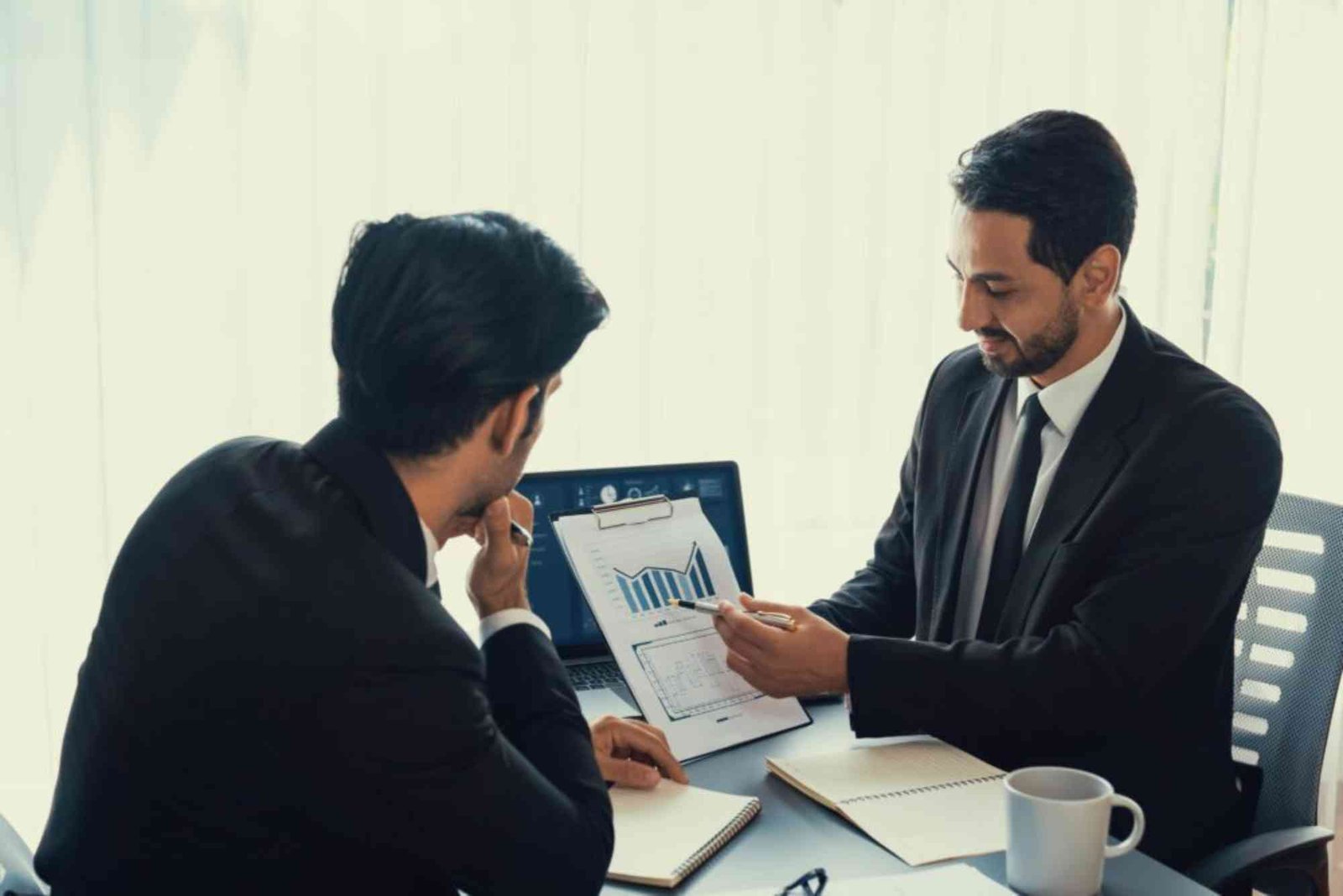

Introduction
Choosing the right outfit for a job interview can make a significant difference in the impression you leave on your potential employer. Your attire communicates professionalism, attention to detail, and understanding of the company culture before you even speak a word. While skills and experience are crucial, your outfit is the first non-verbal cue that sets the tone for your interview. Understanding how to select an outfit that is both appropriate and confident can help you stand out in a competitive job market.
Understanding the Importance of First Impressions
Your appearance is often the first thing interviewers notice. A well-chosen outfit signals respect for the company and seriousness about the role. It also reflects your personality and understanding of professional standards. When you dress appropriately, you subconsciously convey that you understand the workplace environment and can fit seamlessly into it. Conversely, an ill-fitting or inappropriate outfit can distract from your skills and qualifications. Therefore, choosing the right attire is not just about fashion but also about strategic communication.
Researching Company Culture
Before selecting your outfit, research the company’s culture. Every organization has its unique work environment, which can range from formal corporate settings to casual start-ups. Look for cues from the company website, social media profiles, and LinkedIn pages. Observe how employees dress in photos and videos. Understanding the company culture ensures that your outfit aligns with expectations and does not appear out of place. Dressing too formally in a casual environment or too casually in a corporate office can unintentionally create a barrier between you and the interviewer.
Aligning Your Outfit With the Industry
Different industries have different expectations regarding professional attire. Traditional fields like finance, law, and consulting usually require formal business attire. A tailored suit, polished shoes, and minimal accessories are standard. Creative industries such as marketing, design, or tech may allow more flexibility, including smart-casual outfits or subtle personal style touches. Aligning your outfit with industry norms demonstrates awareness and adaptability. It also helps you feel comfortable and confident during the interview, which positively influences your body language and communication.
Choosing the Right Colors
Color selection can impact perception. Neutral colors such as navy, black, grey, and beige are safe choices for most professional settings, conveying professionalism, reliability, and calmness. Blue is associated with trustworthiness, while black conveys authority. For creative roles, subtle pops of color through accessories or blouses can showcase personality without being distracting. Avoid overly bright colors, flashy patterns, or anything that could detract from your overall professional image. Your goal is to complement your presentation rather than compete with it.
Selecting Appropriate Clothing Styles
When choosing your outfit, consider the fit, style, and appropriateness of each piece. Clothing should fit well but not be too tight or restrictive. A tailored blazer or dress shirt enhances your silhouette and conveys attention to detail. Skirts and pants should be of modest length and paired with professional footwear. Women can opt for blouses or dresses that are conservative but stylish, while men can choose collared shirts with a tie or suit jacket. Ensure your outfit allows for comfortable movement, as being at ease physically helps you focus mentally on the interview.

Importance of Grooming and Accessories
Grooming is equally critical to outfit selection. Hair should be neat, nails clean, and minimal makeup applied if desired. Accessories should be understated; a classic watch or simple jewelry adds polish without drawing attention away from your professionalism. Shoes should be clean and appropriate for the outfit, whether formal or business-casual. Personal hygiene and grooming communicate self-respect and attention to detail, which interviewers often subconsciously notice. A well-groomed appearance paired with a suitable outfit creates a complete professional impression.
Dressing for Confidence
Your outfit should make you feel confident. Confidence affects posture, tone, and overall presence, all of which are noticed during an interview. Wearing an outfit that you feel good in reduces anxiety and helps you project a calm, professional demeanor. Confidence in your attire also allows you to focus on answering questions thoughtfully rather than worrying about how you appear. This is particularly important when interviews involve panel discussions or multiple rounds, where first impressions matter consistently.
Avoiding Common Fashion Mistakes
Common mistakes in interview attire include wearing clothing that is too casual, ill-fitting, or inappropriate for the industry. Over-accessorizing or using bold patterns can distract the interviewer. Wearing outdated or wrinkled clothing gives the impression of carelessness. Additionally, excessive fragrances or flashy shoes can create discomfort in a professional setting. To avoid these pitfalls, prepare your outfit in advance, ensure everything is clean and pressed, and choose classic pieces that reflect professionalism without drawing unnecessary attention.
Preparing Your Outfit in Advance
Preparation is key to reducing last-minute stress. Choose and try on your outfit a few days before the interview. Ensure that all pieces are clean, pressed, and in good condition. Check shoes, belts, and accessories for wear and tear. Plan for weather conditions, considering layers for colder climates or breathable fabrics for warmer locations. Having your outfit ready allows you to focus on preparing answers and practicing confidence-building techniques, knowing that your appearance will support your professional presentation.
Adapting to Virtual Interviews
For virtual interviews, outfit selection is just as important, even if only the upper half is visible. Choose solid, neutral colors that contrast with your background to ensure you appear clear and professional on camera. Avoid distracting patterns and ensure good lighting that highlights your face. Even in virtual settings, grooming and accessories remain important. A well-presented appearance on screen demonstrates respect for the interviewer and creates a polished impression similar to an in-person meeting.
Balancing Style and Professionalism
Striking a balance between personal style and professionalism is crucial. You want to express your personality subtly without compromising the formal tone of the interview. For example, a statement accessory, a unique tie, or a patterned scarf can enhance style while maintaining professionalism. Avoid extremes that might overshadow your skills or distract the interviewer. The goal is to communicate competence, reliability, and cultural fit through your appearance, allowing your qualifications to shine alongside a polished look.
How to Evaluate Your Outfit
After selecting an outfit, evaluate it objectively. Stand in front of a mirror or take photos to view yourself from different angles. Ask a trusted friend or mentor for feedback on appropriateness and overall impression. Consider whether the outfit reflects the company culture, fits comfortably, and aligns with industry standards. If anything feels off or causes doubt, make adjustments before the interview day. This evaluation ensures that you enter the interview room with confidence, knowing your appearance supports your professional message.
The Psychological Effect of Dressing Well
Dressing well has psychological benefits beyond first impressions. Research shows that professional attire can improve self-perception, boost confidence, and enhance focus. When you feel prepared and polished, it positively affects body language, communication, and stress management. Employers notice subtle cues such as posture, eye contact, and composure, all of which are influenced by how confident you feel in your outfit. Choosing the right attire is therefore an investment in both presentation and performance.
Selecting the right outfit for a job interview is more than a fashion choice; it is a strategic tool to communicate professionalism, confidence, and cultural fit. By understanding the company, aligning with industry standards, and paying attention to grooming and accessories, you can ensure your attire enhances your first impression. Preparing your outfit in advance, avoiding common mistakes, and balancing personal style with professionalism can set you up for success. Remember, your outfit is the silent ambassador of your skills and personality. Dress thoughtfully, feel confident, and let your professionalism shine through every step of the interview process.
Invest time in choosing the right outfit for your next job interview. Start by reviewing your wardrobe today and plan an ensemble that reflects your best professional self.
Dressing a petite frame can be tricky, but with the right strategies, you can look balanced and stylish. Opt for fitted clothing, vertical stripes, and high-waisted bottoms to elongate your silhouette. Avoid oversized pieces that overwhelm your frame. Monochrome outfits and well-proportioned accessories also enhance height perception. These simple adjustments help petite bodies appear proportional while keeping your style chic and confident. Fashion Tips for Petite Bodies to Look Proportional
FAQ
What should I wear to a job interview in a casual workplace?
In a casual workplace, opt for business-casual attire like tailored pants, a neat blouse or shirt, and clean shoes. Avoid overly casual items such as ripped jeans or sneakers.
Can I wear bright colors to an interview?
Subtle accents are acceptable, but avoid overly bright or neon colors that can distract from your professionalism. Neutral tones are always safest.
How important is grooming for an interview?
Grooming is critical. Clean hair, nails, minimal makeup, and tidy attire show attention to detail and respect for the interview process.
Should I dress differently for virtual interviews?
Yes. Focus on solid colors, good lighting, and visible grooming. Ensure your upper half looks professional, even if the lower half is unseen.
What type of shoes are best for interviews?
Classic, polished shoes that match your outfit are ideal. Avoid overly casual footwear like flip-flops or athletic sneakers.
How far in advance should I prepare my interview outfit?
It’s best to prepare your outfit a few days before the interview. This allows for last-minute adjustments, cleaning, or pressing to ensure a polished look.