Introduction
In the logistics and distribution industry, a vehicle is more than just a mode of transport—it is the backbone of your operations. Choosing the right vehicle can impact delivery speed, fuel efficiency, and long-term operational costs. Many logistics entrepreneurs seek vehicles that are not only durable but also cost-effective and easy to maintain. Therefore, understanding the characteristics of the best vehicles for logistics and distribution entrepreneurs is essential before making an investment.
An ideal vehicle for logistics should accommodate various types of goods, cover long distances, and handle diverse road conditions. Driver comfort is also important since vehicles are often used for long journeys. By understanding these needs, entrepreneurs can choose vehicles that support business growth without compromising service quality.
Why Choosing the Right Vehicle Is Crucial
Selecting a vehicle for logistics businesses cannot be done randomly. The wrong vehicle can lead to higher operational costs, increased risk of damaged goods, and decreased delivery efficiency. Conversely, the right vehicle can give a business a competitive advantage.
Fuel efficiency is a primary factor. Since logistics operations involve frequent trips, a fuel-efficient vehicle can significantly reduce expenses. Additionally, vehicles with optimal cargo capacity reduce the number of trips, improving productivity and reducing driver fatigue. Investing in high-quality vehicles also lowers long-term maintenance costs, benefiting businesses both large and small.
Characteristics of the Ideal Vehicle for Logistics Entrepreneurs
Durability and Reliability
Durability is critical for logistics vehicles, which often face rough roads, extreme weather, and heavy loads. A strong, high-quality vehicle reduces the risk of breakdowns and repair costs. For example, vehicles with a robust chassis and good suspension can handle heavy loads while remaining comfortable for the driver.
Optimal Cargo Capacity
Cargo capacity determines how much goods can be transported in one trip. For distribution entrepreneurs, choosing a vehicle with ample cargo space but still fuel-efficient is a smart decision. Vehicles with flexible or modular designs allow for organized and secure storage, reducing the risk of damaged goods.

Fuel Efficiency and Operational Costs
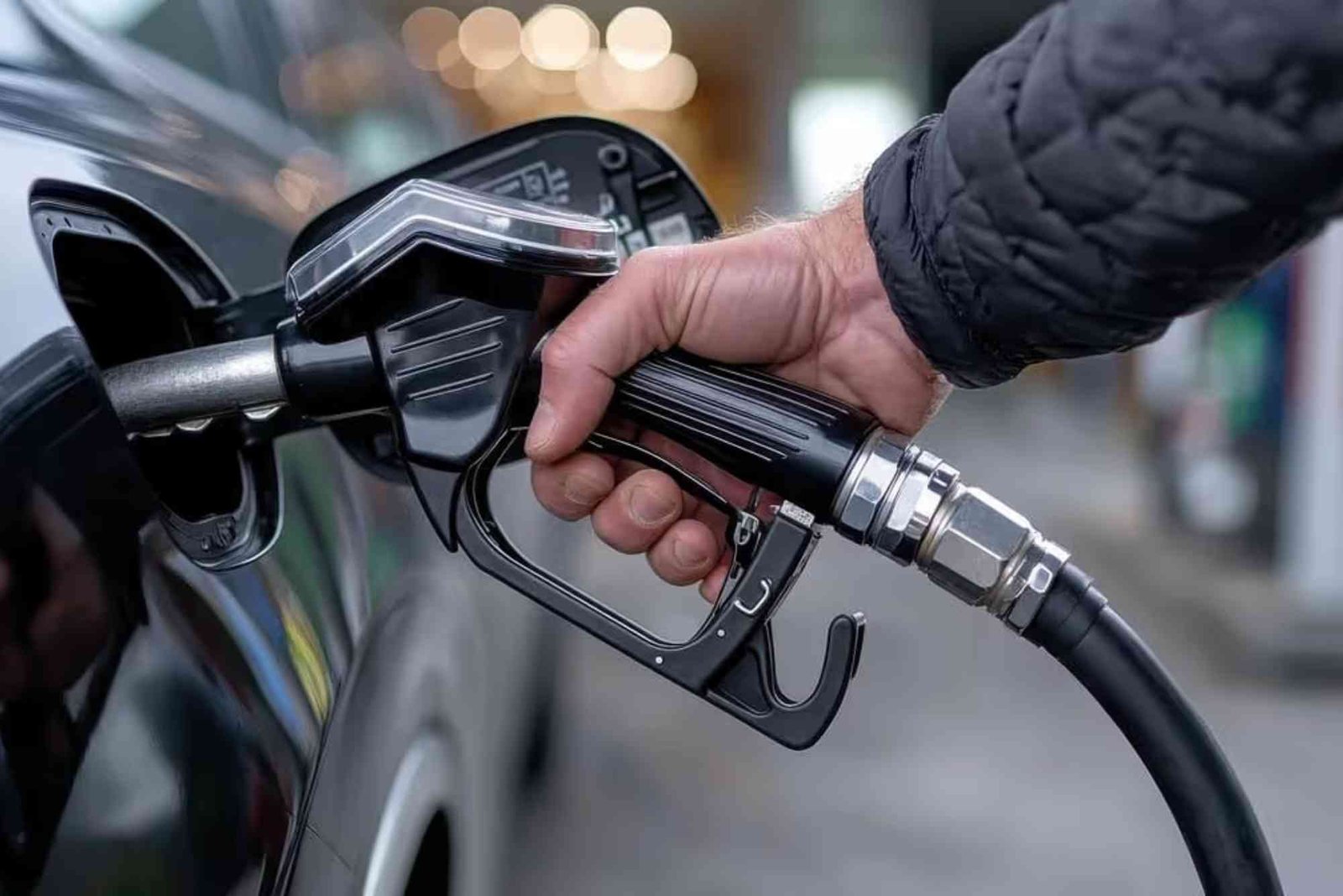
Fuel is one of the largest expenses in logistics. Vehicles with energy-efficient engines and modern technology can reduce operational costs. Additionally, vehicles that are easy to maintain save time and money. Some modern vehicles also include eco-mode features, adjusting fuel consumption according to the trip’s needs for greater efficiency.
Driver Comfort and Safety
Driver comfort is important because logistics trips are often long. Ergonomic seats, climate control, and simple entertainment systems help drivers stay focused. Safety features such as ABS brakes, airbags, and stability control reduce accident risks. Comfortable drivers are more productive and can maintain high service quality.
Recommended Vehicles for Logistics and Distribution
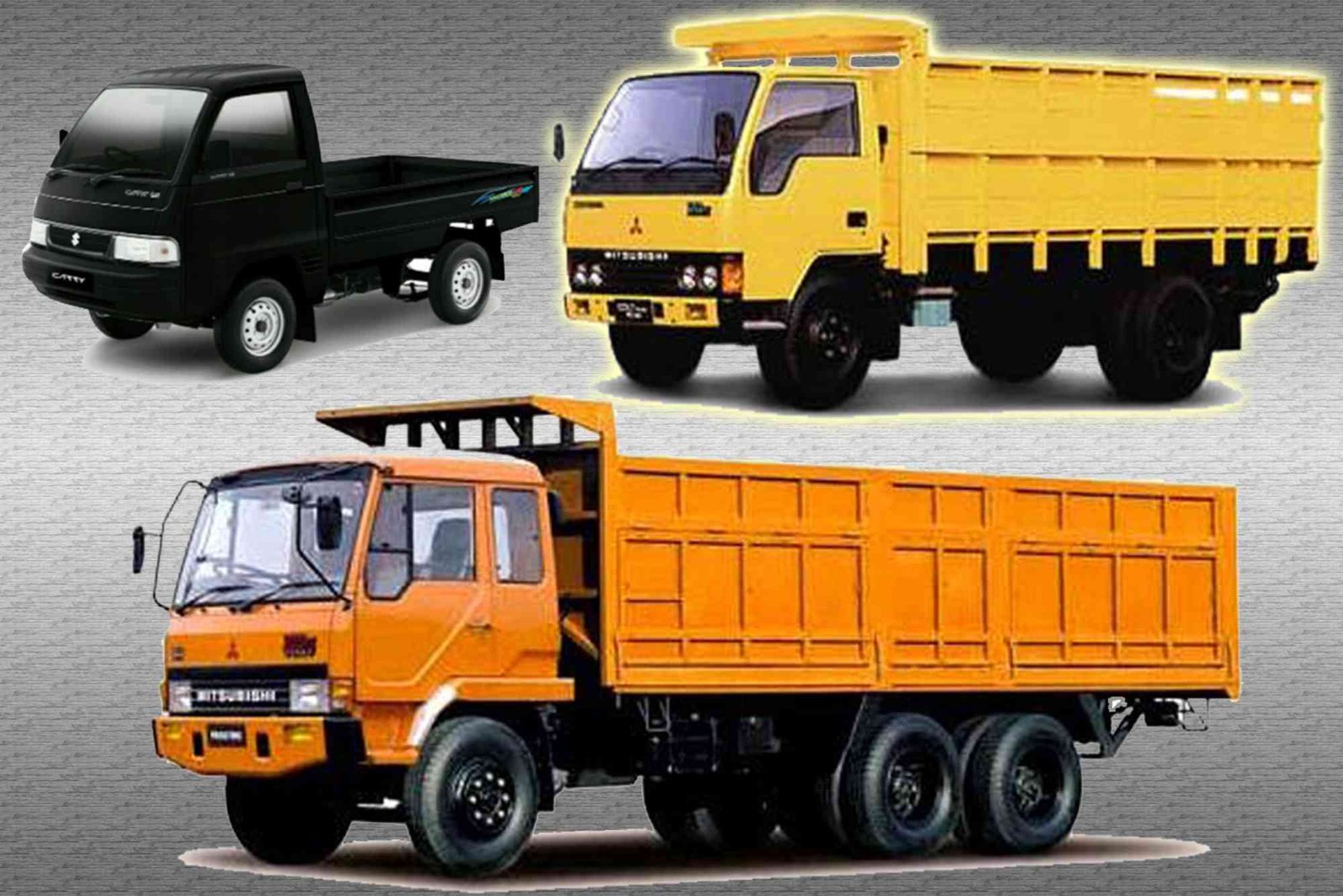
Several vehicles are ideal for logistics entrepreneurs in Indonesia. Pick-ups with large capacity, multi-purpose vans, and light trucks offer a balance of durability, fuel efficiency, and cargo space. Additionally, widely available spare parts and after-sales service networks provide long-term business support.
Entrepreneurs should also consider electric or hybrid vehicles for short-distance operations. While the initial investment is higher, lower operational and maintenance costs make them appealing in the long term. Leading logistics companies increasingly adopt these technologies to reduce emissions and boost their eco-friendly image.
External Factors to Consider
Beyond vehicle features, environmental conditions and regulations influence vehicle choice. Narrow city streets require compact, maneuverable vehicles, while intercity routes need vehicles with high engine performance and large fuel tanks. Emission regulations also ensure compliance and help businesses avoid fines.
Logistics entrepreneurs must consider routes, types of goods, and delivery frequency to select the most suitable vehicle. Oversized vehicles in urban areas can cause traffic congestion and reduce efficiency, while undersized vehicles may risk cargo damage and increased travel costs.
Strategies for Choosing the Right Vehicle
Selecting the best vehicle isn’t just about specifications—it requires a strategic approach. Comparing brands and models, reading user reviews, and considering the total cost of ownership are important steps. This ensures the vehicle meets current needs and scales with business growth.
Entrepreneurs are also encouraged to use modern technologies like GPS tracking and fleet management. These tools help monitor vehicle conditions, plan optimal routes, and reduce delivery delays. With this approach, vehicle investments are maximized to support operational efficiency.
Choosing the best vehicles for logistics and distribution entrepreneurs is not just a purchase; it is a strategic business investment. Durability, cargo capacity, fuel efficiency, comfort, and safety should be key considerations. The right vehicle increases productivity, lowers operational costs, and ensures high customer satisfaction.
FAQ
What is the best vehicle for delivering goods in a big city?
Compact vehicles with moderate cargo capacity, like vans or small pick-ups, are ideal because they are easy to maneuver and fuel-efficient.
Are electric vehicles suitable for logistics businesses?
Electric vehicles work well for short routes with fixed deliveries. Although the initial cost is higher, long-term operational costs are lower.
How can I choose a fuel-efficient vehicle?
Look at engine size, hybrid technology, and eco-mode features that adjust fuel consumption based on trip requirements.
What else should I consider besides vehicle specifications?
Road conditions, emission regulations, maintenance ease, and the availability of after-sales service are crucial for smooth operations.
How to Get the Best Price When Buying a New Car – To get the best price, research market prices, compare dealers, and take advantage of promotions or special discounts. Don’t hesitate to negotiate, consider buying at the end of the month, and check additional packages to get more value without paying extra.