Motorcycle Touring Tips: Automotive Preparation for a Comfortable Journey
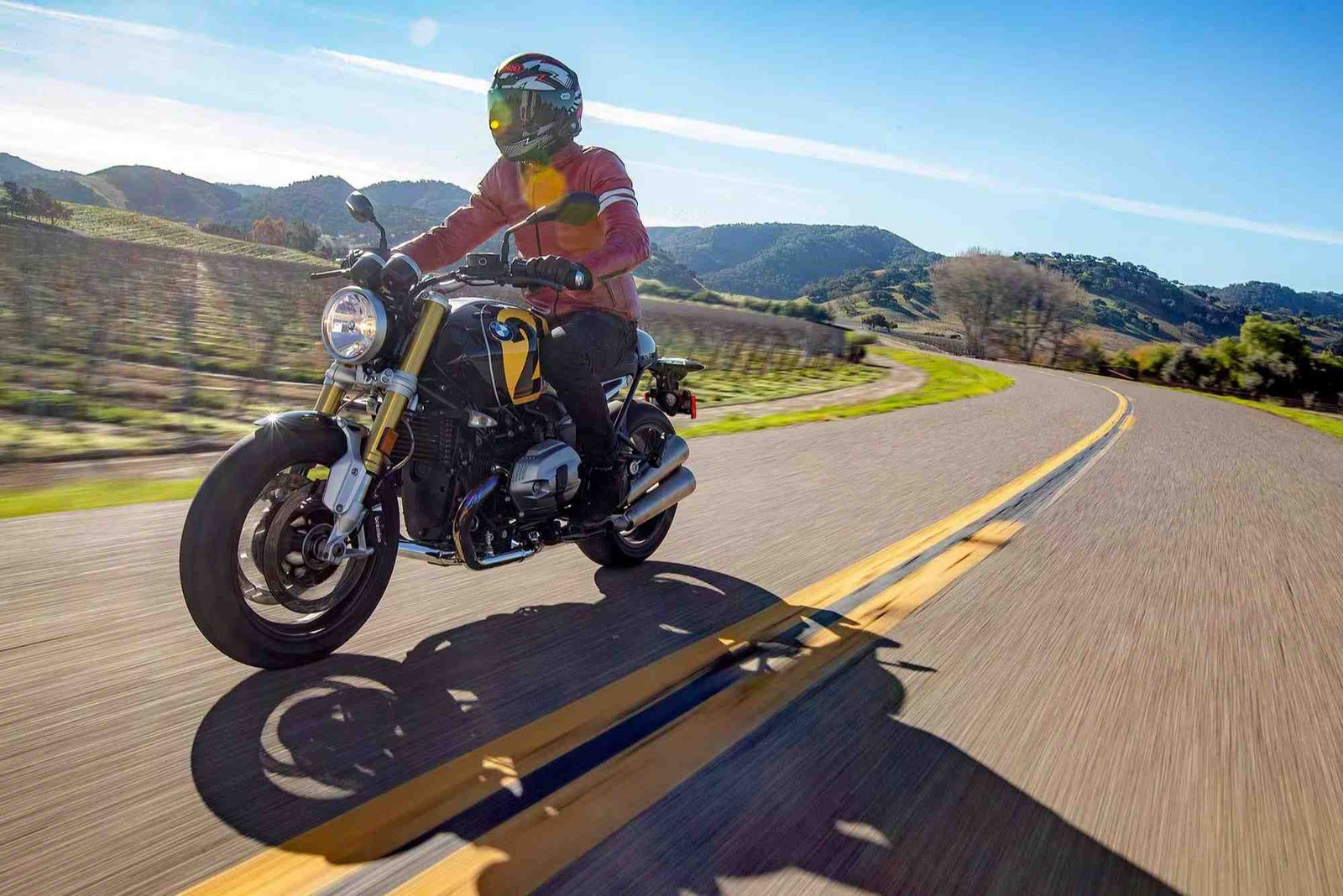
Motorcycle touring is exciting, freeing, and adventurous. However, proper planning makes all the difference between a stressful ride and a comfortable journey.
This guide covers practical Motorcycle Touring Tips: Automotive Preparation for a Comfortable Journey to help riders prepare their bikes, gear, and mindset. When your motorcycle is ready, your confidence increases.
Whether you ride for leisure or long-distance travel, preparation ensures safety, comfort, and reliability. Let’s explore the key steps to prepare effectively.
Understanding the Importance of Motorcycle Touring Preparation
Before hitting the road, preparation is essential. Long-distance travel puts extra stress on your motorcycle. Mechanical issues often occur due to poor maintenance.
Following proper motorcycle touring tips reduces unexpected breakdowns. It also improves fuel efficiency and overall ride comfort.
Automotive preparation involves checking engine health, brakes, tires, and electrical systems. Small inspections prevent major problems later.

Planning ahead also protects you from weather changes and road hazards. Good preparation creates peace of mind on every ride.
Essential Motorcycle Checks Before Touring
A complete bike inspection is the foundation of safe travel. Start with basic mechanical checks.
Inspect the engine oil level and quality. Clean oil improves engine performance and reduces overheating. Replace oil if it appears dirty or old.
Check coolant levels if your motorcycle uses liquid cooling. Overheating during long rides can damage the engine.
Examine the chain or belt tension. Proper lubrication ensures smooth power transfer and reduces wear.
Test brakes carefully. Brake pads should not be worn down. Strong braking power is critical for safety.
Ensure headlights, indicators, and brake lights work properly. Visibility matters during night rides and bad weather.
These simple inspections form strong automotive preparation for a comfortable journey.
Tire Maintenance for Safe Long-Distance Riding
Tires play a vital role in motorcycle touring. Poor tire condition increases accident risks.
Check tire pressure before every trip. Correct pressure improves grip and fuel efficiency.
Inspect tire tread depth. Worn tires lose traction on wet or uneven roads. Replace them if the tread looks thin.
Look for cracks, cuts, or embedded objects. Small damages can cause sudden blowouts during travel.
Balanced and properly inflated tires enhance stability. This step is essential in motorcycle touring tips for safe journeys.
Preparing the Suspension and Handling
Comfort during long rides depends on suspension performance.
Adjust suspension settings according to your weight and luggage. Proper adjustment reduces road shocks.
Inspect shock absorbers for oil leaks. Damaged suspension affects control and comfort.
Test the bike on a short ride before long-distance travel. Listen for unusual noises.
Good suspension improves handling on rough roads. It also reduces rider fatigue during extended travel.
Automotive preparation should always include suspension inspection.
Electrical System and Battery Inspection
A reliable electrical system prevents unexpected breakdowns.
Check battery terminals for corrosion. Clean connections ensure strong power supply.
Test battery voltage before departure. Replace weak batteries to avoid starting problems.
Verify that all lights, horn, and dashboard indicators function correctly.
Carry spare fuses and essential electrical tools. Quick repairs become easier with proper preparation.
Strong electrical performance supports safe motorcycle touring tips for long trips.
Packing Smart for Comfort and Safety
Packing plays a major role in travel comfort. Avoid overloading your motorcycle.
Distribute weight evenly on both sides. Balanced luggage improves stability.
Use waterproof bags to protect belongings from rain. Secure luggage tightly to prevent shifting.
Carry essential documents, tools, and emergency supplies. Keep them accessible.
Pack light but smart. Excess weight affects fuel consumption and handling.
Smart packing supports proper automotive preparation for a comfortable journey.
Safety Gear and Personal Protection
Rider safety depends on proper protective equipment.
Wear a certified helmet that fits correctly. Quality helmets reduce injury risk.
Use riding gloves to protect hands from vibration and impact. Strong boots improve foot protection.
Wear a jacket with protective padding. It shields your body during accidents.
Reflective gear increases visibility on highways. Safety equipment is an essential part of motorcycle touring tips.
Comfort improves when riders feel secure and protected.
Fuel Planning and Route Preparation
Fuel management prevents unnecessary stops.
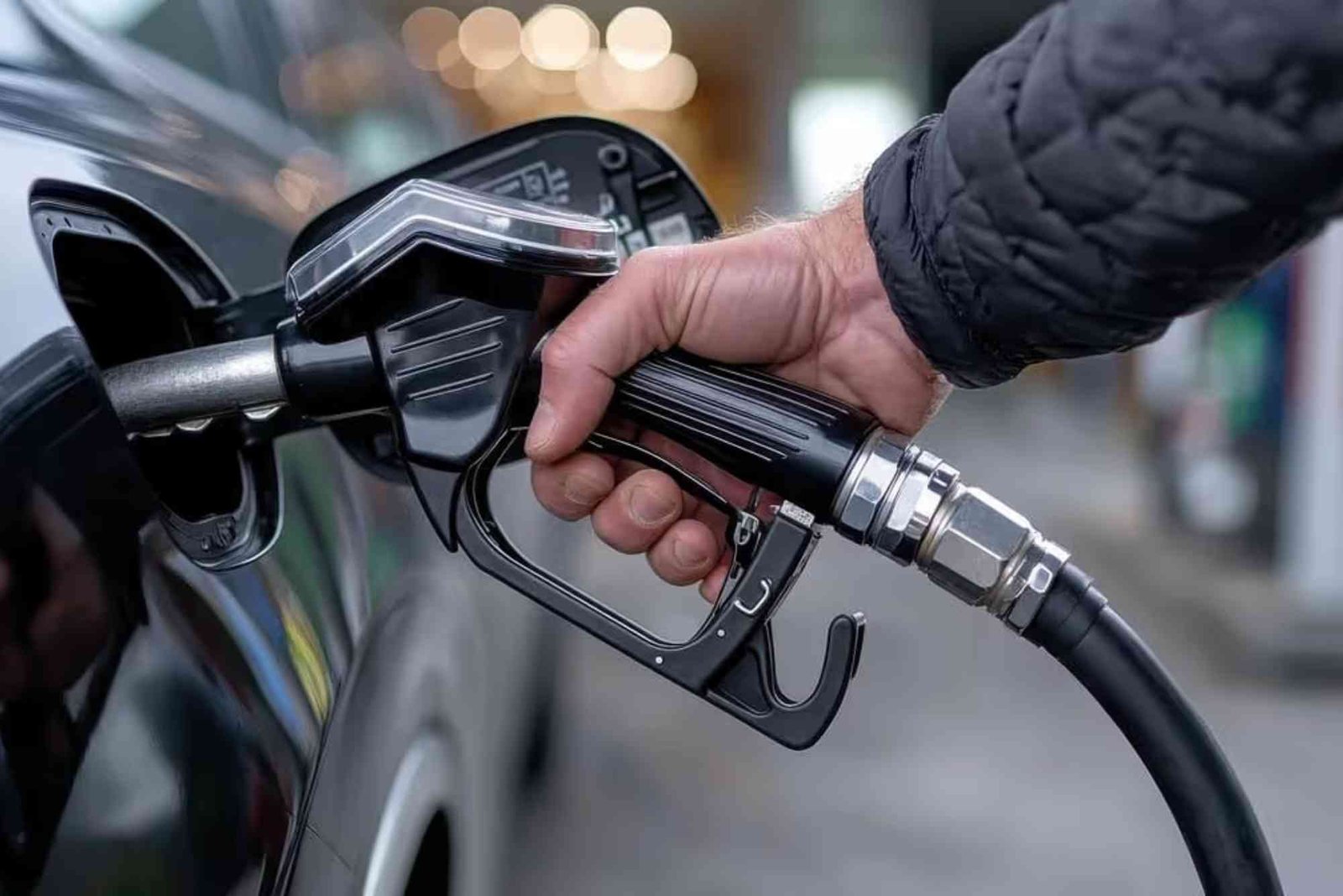
Research fuel stations along your route. Plan stops before running low on fuel.
Calculate your motorcycle’s fuel range. Avoid risky stretches without fuel access.
Use navigation apps to track roads and traffic updates.
Check road conditions and weather forecasts in advance. Unexpected weather changes can affect safety.
Proper route planning strengthens automotive preparation and reduces travel stress.
Tool Kit and Emergency Equipment
Carry a compact tool kit for minor repairs. Include basic wrenches and screwdrivers.
Add tire repair kits and an air pump. Flat tires are common during long trips.
Keep spare spark plugs and fuses. Small replacements fix big problems quickly.
Pack a first aid kit for emergencies. Include bandages, antiseptic, and pain relief essentials.
These tools support smooth travel when unexpected issues arise. Prepared riders handle problems confidently.
Engine Performance and Cooling System Care
Engine performance directly affects touring comfort.
Warm up the engine before starting long rides. Proper warming improves lubrication.
Monitor engine temperature during travel. Avoid riding in overheating conditions.
Clean air filters regularly. Blocked filters reduce engine efficiency.
Check fuel quality before filling up. Poor fuel affects performance and mileage.
Maintaining engine health is central to successful motorcycle touring tips for long-distance journeys.
Riding Techniques for Long Journeys
Good preparation must combine with proper riding techniques.
Take regular breaks to avoid fatigue. Rest improves concentration and reaction time.
Change riding posture frequently. Long static positions cause body pain.
Stay hydrated during trips. Dehydration reduces alertness.
Maintain safe distance from other vehicles. Anticipate sudden road hazards.
Smooth acceleration and braking reduce mechanical strain. Skillful riding enhances comfort and safety.
Weather Preparation and Road Adaptability
Weather changes quickly during touring. Prepare for rain, heat, and cold.
Carry waterproof riding gear for rainy conditions. Wet roads require extra caution.
Use breathable clothing for hot climates. Heat exhaustion reduces focus.
Adjust speed according to road conditions. Slow down during poor visibility.
Weather readiness strengthens automotive preparation and protects both rider and motorcycle.
Regular Maintenance After Each Tour
Post-trip maintenance keeps your motorcycle ready for the next journey.
Clean dirt and dust from the bike after touring. Dirt accumulation damages parts over time.
Inspect brakes and tires again after long rides.
Change engine oil if the trip was extremely long.
Document any mechanical issues for future repairs. Regular care extends motorcycle lifespan.
Maintenance after travel completes the cycle of responsible ownership.
Benefits of Proper Motorcycle Touring Preparation
When riders follow structured motorcycle touring tips, they experience fewer breakdowns.
Proper automotive preparation improves safety and comfort. It also increases fuel efficiency.
Prepared riders feel confident on highways and mountain roads.
Unexpected mechanical issues reduce significantly with regular inspections.
Overall, planning creates smoother travel experiences and memorable journeys.
Motorcycle touring becomes enjoyable when preparation comes first.
Following effective Motorcycle Touring Tips: Automotive Preparation for a Comfortable Journey ensures safety and comfort on every ride.
Check your engine, tires, brakes, battery, and suspension before departure. Pack smart, plan routes, and carry emergency tools.
Consistency in maintenance protects your motorcycle and enhances performance.
Start preparing today for your next adventure. Take action now by inspecting your bike and applying these practical tips. Safe riding leads to unforgettable journeys.
If you want to ensure your bike runs smoothly, learning How to Check Motorcycle Electrical System is essential for identifying battery issues, faulty wiring, blown fuses, or malfunctioning components like the starter and ignition. Regular inspection helps detect voltage problems and loose connections early, preventing breakdowns and costly repairs. By testing the battery, checking the wiring, and inspecting the charging system, you can maintain reliable performance and improve the overall lifespan of your motorcycle.
(FAQ)
How do I prepare my motorcycle for a long-distance tour?
Start with a full mechanical inspection. Check tires, brakes, engine oil, battery, and lights. Ensure all systems work properly before departure.
What tools should I carry for motorcycle touring?
Carry basic repair tools, tire repair kits, spare fuses, spark plugs, and a small air pump. A first aid kit is also essential.
How often should I check tire pressure during touring?
Check tire pressure before starting the trip and during long breaks. Proper inflation improves safety and fuel efficiency.
Why is suspension adjustment important for long rides?
Correct suspension adjustment improves stability and reduces road shocks. It increases rider comfort during long-distance travel.
How can I avoid fatigue during motorcycle touring?
Take regular rest breaks, stay hydrated, and maintain proper riding posture. Avoid riding for long continuous hours without rest.