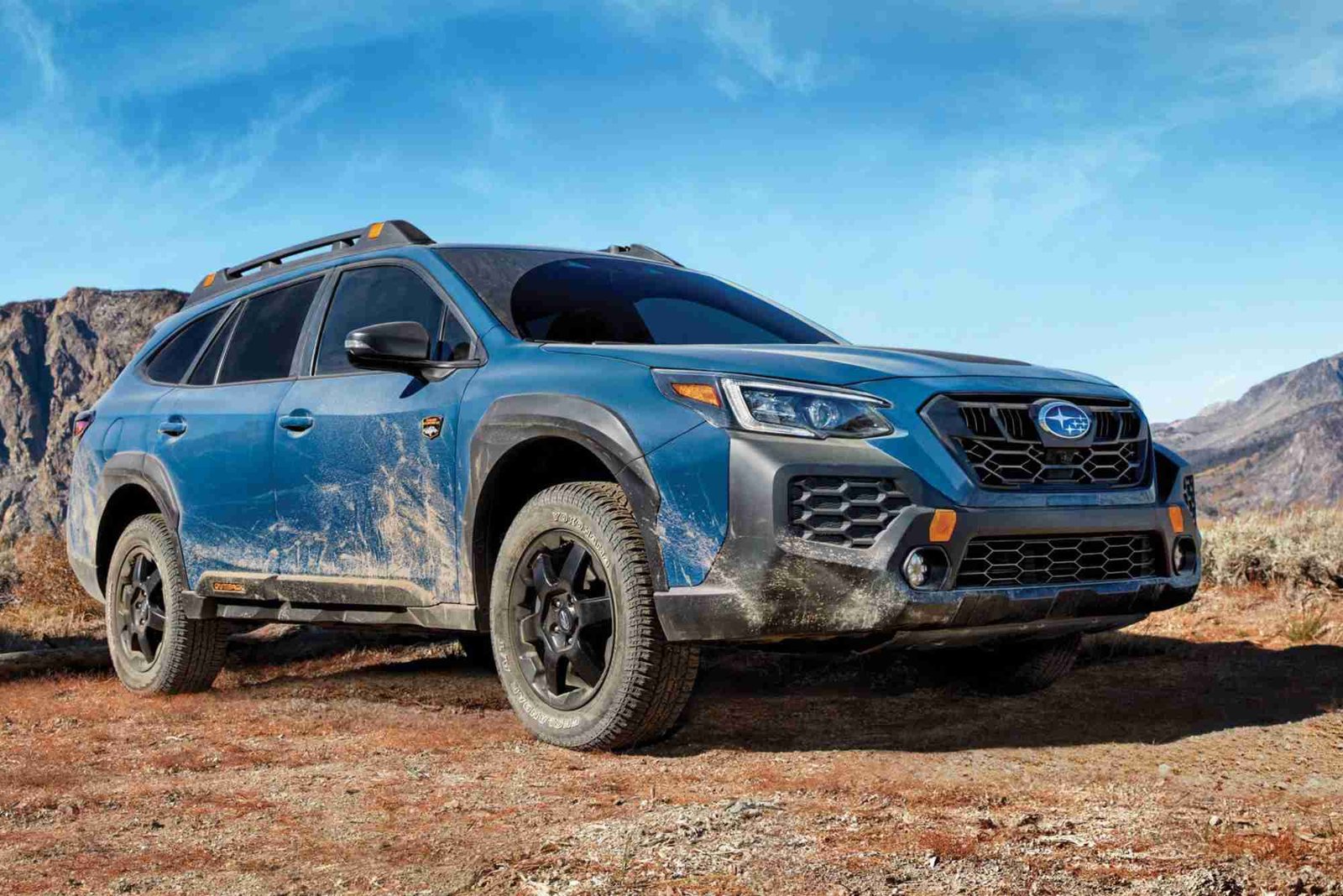
Rugged cars for mountain travel are not just vehicles with a tough appearance. They are partners in safety, comfort, and peace of mind when driving through steep climbs, sharp turns, and rocky roads. In many regions, mountain routes often come with rapidly changing weather and unpredictable road conditions. Because of this, choosing the right car becomes a critical decision before starting your journey.
This article explains in depth what truly makes a car rugged for mountain travel. You will learn about technical aspects, safety features, and practical driving insights based on real experience. With this guide, you can make a smarter and safer decision for your next mountain adventure.
Real Challenges of Driving in Mountain Areas
Driving in the mountains presents very different risks compared to city streets or highways. Long uphill roads test engine power and cooling systems. Steep downhill stretches demand strong and consistent braking performance. In addition, thick fog and heavy rain often reduce visibility dramatically.
Road surfaces are rarely perfect. Loose gravel, wet soil, and hidden potholes can easily cause wheel slip or suspension damage. A rugged car for mountain travel must adapt to these conditions without sacrificing passenger comfort. This is why technical specifications matter so much in mountain driving.
Key Characteristics of a Rugged Mountain Car
Powerful Engine and Strong Torque
An engine with high torque at low RPM is essential for climbing steep roads. Torque allows the car to move steadily without excessive throttle input. This reduces engine strain and helps maintain fuel efficiency.
Modern diesel engines and mid-sized turbocharged gasoline engines are often ideal choices. They offer a strong balance between power and efficiency. For long mountain journeys, this engine character feels noticeably safer and more comfortable.

Reliable Drivetrain System
Vehicles with rear-wheel drive or all-wheel drive systems offer better traction on steep slopes. On slippery roads, balanced power distribution helps maintain stability. This is why SUVs and pickup-based vehicles are commonly chosen for mountain routes.
However, drivetrain alone is not enough. Transmission tuning also plays an important role. Manual mode or low gear options allow drivers to control power delivery and engine braking on descents. This combination significantly improves overall safety.
Essential Safety Features for Mountain Travel
Braking and Stability Control
Brakes are the most critical component when driving downhill. A rugged car for mountain travel must have a strong braking system that resists overheating. Technologies such as ABS and EBD help maintain control during sudden braking situations.
Electronic stability control is equally important. This system prevents the vehicle from losing direction when wheels begin to slip. In rainy or foggy conditions, it often works silently in the background to protect the driver.
Assistance for Uphill and Downhill Driving
Hill start assist makes it easier to move from a stop on steep slopes. This feature prevents the vehicle from rolling backward, which can be dangerous on narrow roads. For downhill driving, hill descent control maintains a steady speed without constant brake pressure.
Both features are extremely useful on mountain roads. Many routes include sharp inclines with limited maneuvering space. With these systems, drivers can focus more on steering and road awareness.
Suspension and Ground Clearance Considerations
A good suspension system absorbs shocks from uneven roads. In mountainous terrain, comfort is not just about smoothness but also about maintaining control. Overly stiff suspension can reduce traction on bumpy surfaces.
Adequate ground clearance prevents the underbody from hitting rocks or uneven ground. However, height alone is not enough. Suspension balance is essential to keep the vehicle stable through tight curves. This combination separates ordinary cars from truly rugged mountain vehicles.
Tires and Traction as Safety Factors
Tires are often overlooked, yet they play a major role in safety. All-terrain tire patterns provide better grip on wet, rocky, and loose surfaces. Proper tire pressure also ensures optimal performance.
Using the right tires increases driver confidence. The vehicle feels more stable in sharp turns and slippery sections. With good traction, the risk of skidding is greatly reduced.
Cabin Comfort for Long Mountain Journeys
Mountain travel often takes more time than expected. A comfortable cabin helps drivers stay focused and alert. Ergonomic seating and wide visibility are especially helpful on winding roads.
Additional features such as effective climate control and good cabin insulation make the journey more pleasant. While durability is the main focus, comfort still plays a significant role in long-term driving safety.
Fuel Efficiency and Practical Range
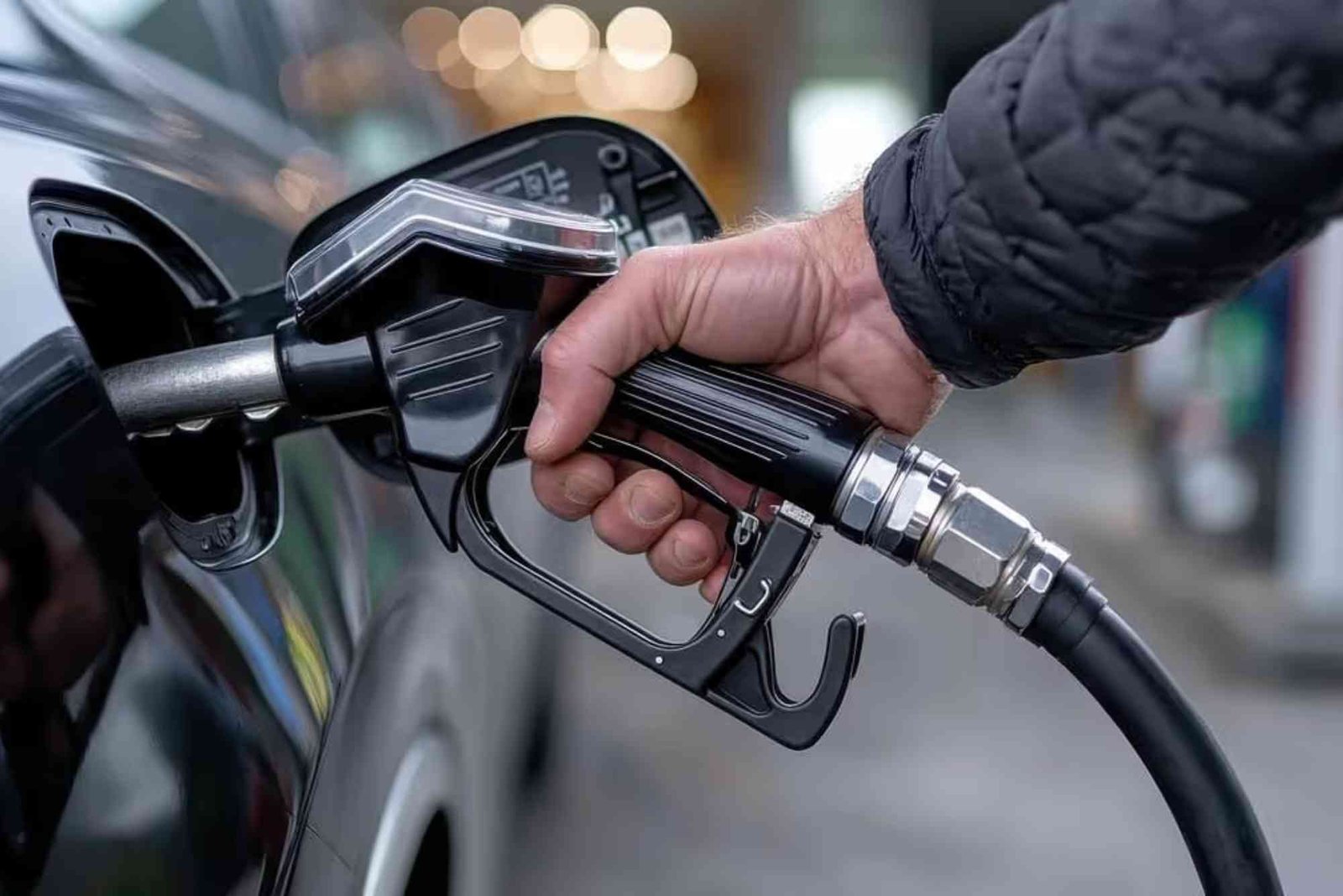
Many mountain routes have limited fuel stations. For this reason, fuel efficiency becomes an important factor. Cars with well-managed engines can maintain reasonable consumption even in demanding conditions.
Efficiency also relates to engine temperature and emissions. An engine that works too hard can overheat quickly. A rugged car for mountain travel is designed to operate steadily for long periods without stress.
Real-World Driving Experience in Mountain Roads
Based on the experience of many drivers, a car that looks good on paper does not always perform well in real conditions. Mountain driving reveals true performance through throttle response, brake strength, and suspension stability.
The best-selling cars in Indonesia are generally favored for their affordable prices, fuel efficiency, and easy maintenance. Other factors, Best-Selling Cars in Indonesia and the Reasons for Their Popularity“ such as durability on various road conditions, sufficient passenger capacity, and wide service networks, make these cars the top choice for families and business owners in Indonesia.
Experienced drivers often recommend not focusing only on brand reputation. Instead, pay attention to vehicle character and how it matches your driving style. This practical approach reflects strong experience and real-world expertise.
Special Maintenance for Mountain Vehicles
Cars frequently used in mountainous areas require extra maintenance. Brakes, suspension components, and tires need more frequent inspections. Dirt, dust, and mud can also affect critical parts.
Regular servicing helps maintain optimal performance. You can explore our internal maintenance guides for practical steps that are easy to follow. Additional driving safety tips for difficult terrain are also available to improve your preparedness.
Recommended External Resources
For deeper technical insights, you can explore automotive content from trusted sources such as Autoevolution and Car and Driver. These platforms often review vehicle performance in extreme driving conditions. Their insights can help you make a more informed decision.
FAQ: Frequently Asked Questions
What type of car is best for mountain travel?
Cars with strong torque, adequate ground clearance, and complete safety features are ideal. SUVs and vehicles with dual-drive systems are often preferred.
Can small cars be used on mountain roads?
Yes, as long as the engine and braking system are in good condition. However, small cars usually have limitations in torque and stability on long climbs.
Which safety feature is most important?
A reliable braking system, stability control, and hill assist features are essential. Together, they help maintain control in challenging conditions.
Are standard tires sufficient for mountain terrain?
Standard tires can be used, but all-terrain tires offer better safety. Tire choice has a significant impact on grip and stability.
Rugged cars for mountain travel are an investment in safety and comfort. By understanding engine performance, drivetrain systems, safety features, and proper maintenance, you can enjoy your journey with confidence. Every component plays a role in handling extreme terrain.
If you are planning a trip to mountainous regions, reassess the vehicle you plan to use. Make sure it meets the rugged standards discussed in this article. Explore more automotive guides on our website to gain deeper insights and prepare your journey with confidence.