
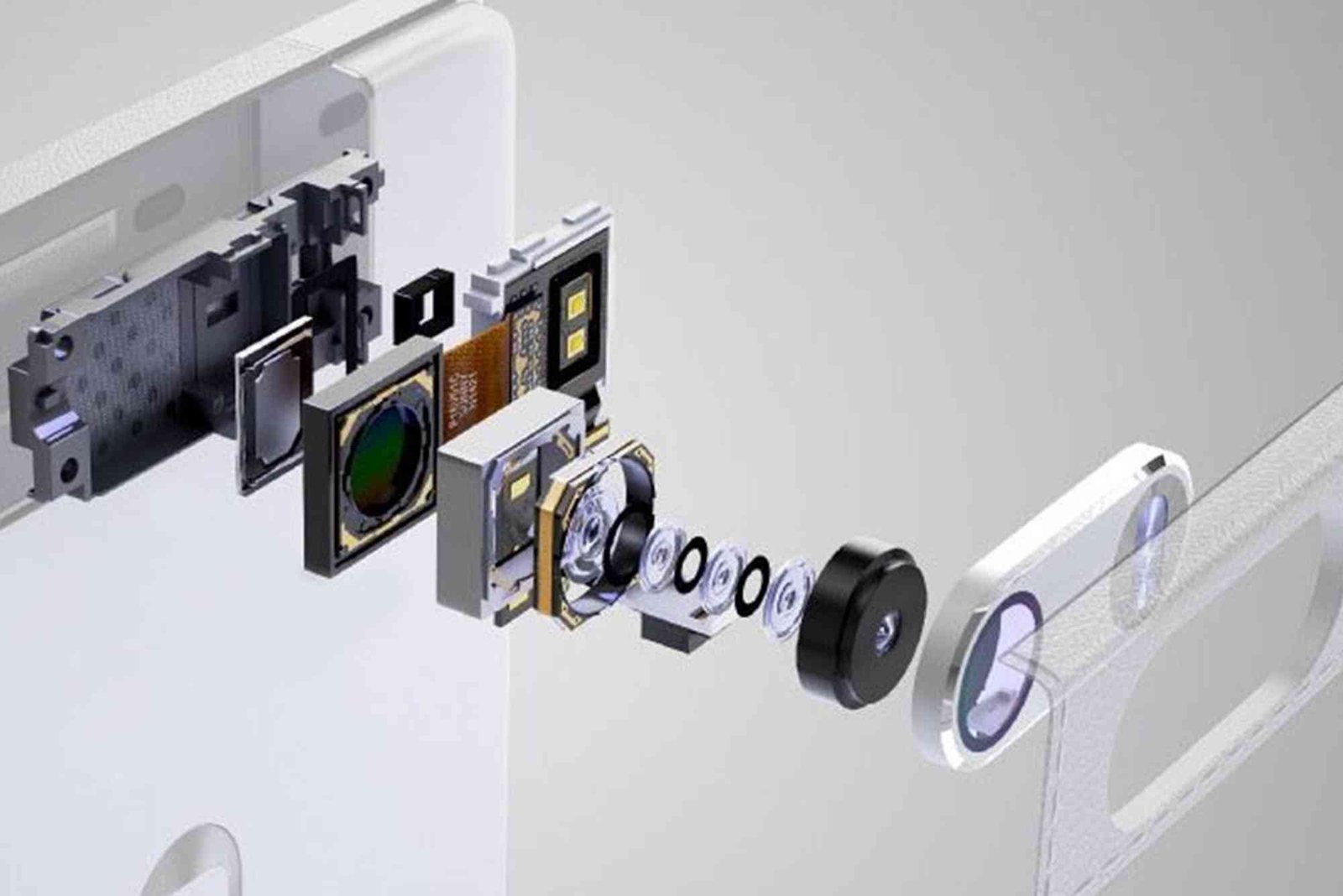
Smartphones have transformed from simple communication devices to powerful photography tools. The developments in smartphone camera technology have reshaped how we capture memories, enabling professional-quality photos from a pocket-sized device. Over the years, advancements in hardware, software, and computational photography have dramatically improved image quality, low-light performance, and versatility.
This article explores the major innovations, trends, and features driving modern smartphone cameras. From AI-assisted enhancements to multi-lens setups, understanding these changes will help users maximize their photography experience.
Evolution of Smartphone Camera Hardware
The hardware inside a smartphone camera has evolved rapidly, moving beyond megapixel counts to advanced sensors and lenses.
Sensor Improvements
Modern smartphones use larger and more sensitive sensors, which capture more light and detail. High dynamic range (HDR) sensors now allow balanced images in challenging lighting. Backside-illuminated (BSI) sensors enhance low-light performance.
Lens Innovations
Multi-lens systems have become standard. Telephoto lenses enable optical zoom without quality loss, while ultra-wide lenses capture expansive scenes. Some devices even include macro and periscope lenses for specialized shots.
Optical Image Stabilization
Optical image stabilization (OIS) reduces blur caused by shaky hands. Combined with software stabilization, it ensures smoother video recording and sharper photos, even in low light.

Computational Photography
Software has become just as important as hardware in improving smartphone photography.
AI-Powered Enhancements
Artificial intelligence identifies scenes, adjusts settings automatically, and enhances details. AI can detect faces, landscapes, and night scenes to optimize exposure and color. Some smartphones use AI to remove unwanted objects from photos seamlessly.
Night Mode and Low-Light Photography
Advanced algorithms allow smartphones to combine multiple exposures, reducing noise and enhancing clarity in dark environments. Night mode now produces images rivaling DSLR cameras.
Portrait and Depth Effects
Smartphones simulate professional bokeh with depth-sensing technology. AI algorithms separate subjects from backgrounds, creating portrait shots with precise edge detection and natural blur.
Video Capabilities
Smartphone cameras are no longer limited to still photography.
High-Resolution Recording
4K and even 8K video recording have become mainstream, offering exceptional detail. Frame rates up to 120fps enable smooth slow-motion video.
Stabilization and Cinematic Modes
Electronic and optical stabilization work together for stable footage. Cinematic modes mimic professional camera focus shifts, allowing users to create movies with depth and visual storytelling.
Advanced Audio Capture
Some smartphones include directional microphones and AI-based noise reduction for clearer audio in video recording, essential for content creators.
Emerging Technologies
Several cutting-edge innovations continue to push smartphone cameras forward.
Periscope Zoom Lenses
Periscope lenses achieve high optical zoom levels in slim phone designs. They use a prism system to bend light and maintain image quality at long distances.
Multi-Sensor Fusion
Combining data from multiple sensors improves dynamic range, color accuracy, and low-light performance. Some phones merge wide, ultra-wide, and telephoto sensors for composite images.
AI-Based Post-Processing
Modern smartphones use AI to enhance images after capture. Features include automatic HDR adjustment, sky replacement, and selective color editing. This allows professional-level edits without third-party apps.
Trends Shaping the Future of Smartphone Photography
The trajectory of smartphone cameras suggests continued integration of AI, optical improvements, and user-friendly software.
Foldable and Multi-Camera Designs
Foldable phones and devices with multiple cameras promise even more creative options. Flexible displays may introduce new angles and photography perspectives.
AR and Computational Imaging
Augmented reality applications rely on precise camera calibration. Combined with computational imaging, this allows realistic virtual overlays and interactive photography experiences.
Sustainability and Efficient Design
Manufacturers are focusing on energy-efficient sensors and lenses, reducing battery consumption without sacrificing image quality. Eco-friendly materials are also being explored for camera modules.
The developments in smartphone camera technology have brought professional photography capabilities to everyone’s pocket. With AI-driven enhancements, multi-lens systems, and computational photography, capturing stunning images is easier than ever. As technology advances, we can expect even more powerful features that blur the line between smartphones and professional cameras.
For anyone looking to improve their photography, exploring these features and understanding their capabilities is essential. Upgrade your device or experiment with its advanced modes to fully benefit from modern smartphone cameras.
indon.id adalah platform digital informatif yang menyajikan berbagai konten terkini seputar teknologi, gaya hidup, bisnis, dan informasi populer lainnya. Dengan tampilan sederhana dan mudah diakses, indon.id menjadi sumber bacaan yang relevan bagi pengguna yang ingin mendapatkan wawasan terpercaya, ringkas, dan up-to-date dalam satu tempat.
FAQ
What are the latest developments in smartphone camera technology?
The latest innovations include multi-lens setups, AI-powered image processing, night mode improvements, periscope zoom, and computational photography.
How has AI improved smartphone photography?
AI enhances image quality by automatically adjusting settings, detecting scenes, reducing noise, and simulating professional effects like portrait bokeh.
Are smartphone cameras now better than DSLR cameras?
High-end smartphones can match DSLR quality in many scenarios, especially in good lighting. However, DSLRs still excel in sensor size, optical flexibility, and professional control.
What is computational photography in smartphones?
Computational photography combines multiple images, software algorithms, and AI to enhance detail, color, dynamic range, and low-light performance.
How do periscope lenses work in smartphones?
Periscope lenses use a prism or mirror system to bend light, allowing high optical zoom without increasing phone thickness.
Can smartphones replace professional cameras for video?
Modern smartphones support 4K/8K recording, stabilization, cinematic modes, and advanced audio capture, making them capable for many video projects.
How do I take better photos with my smartphone?
Use AI-assisted modes, adjust lighting when possible, explore multiple lenses, stabilize your device, and experiment with night or portrait modes for professional results.
The advancements in smartphone cameras have made photography accessible, versatile, and exciting. By exploring these features, users can capture stunning images anytime, anywhere.