
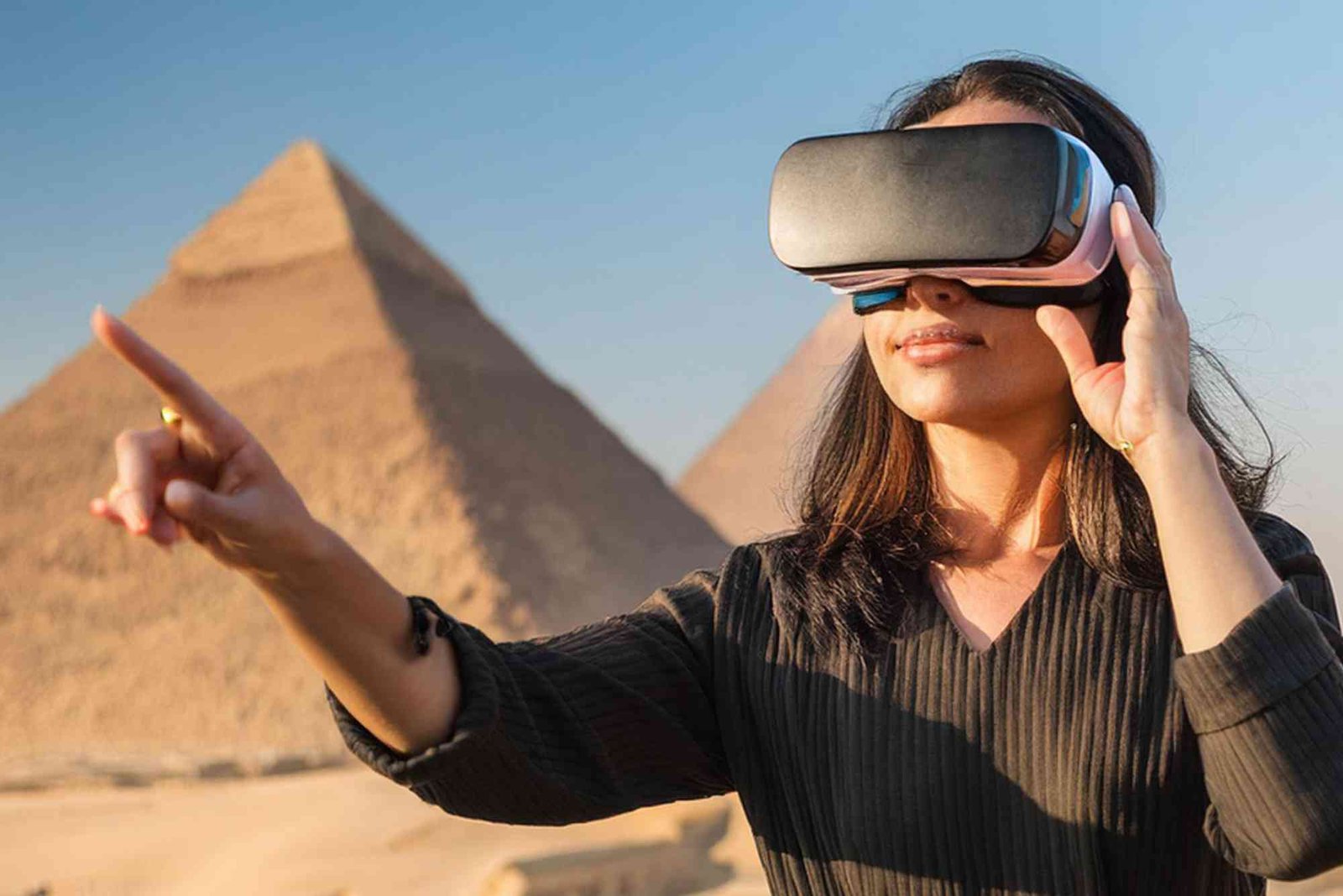
In recent years, the travel industry has experienced a profound transformation, largely driven by advancements in technology. One of the most significant developments is digital tourism, which allows travelers to explore destinations virtually, plan trips efficiently, and engage with immersive experiences online. The growing trend of digital tourism is reshaping how people discover, plan, and experience travel, offering convenience, accessibility, and unique opportunities for both tourists and businesses.
Understanding Digital Tourism
Digital tourism refers to the use of digital technologies to enhance or replace traditional travel experiences. It encompasses virtual tours, augmented reality (AR) guides, digital booking platforms, and interactive travel content. By leveraging these tools, travelers can explore destinations before visiting, make informed decisions, and even enjoy virtual experiences from home.
How Digital Tourism Works
Digital tourism combines several technologies, including virtual reality (VR), augmented reality (AR), artificial intelligence (AI), and mobile applications. VR allows users to experience destinations in a fully immersive way, while AR overlays information onto real-world locations. AI-powered platforms analyze traveler preferences and provide personalized recommendations. Together, these technologies create a seamless and engaging travel experience.
Key Drivers of Digital Tourism
Several factors are fueling the growing trend of digital tourism. Increasing internet penetration, widespread smartphone use, and demand for personalized travel experiences are significant drivers. Additionally, the COVID-19 pandemic accelerated the adoption of virtual travel experiences, as many sought alternatives to traditional tourism during lockdowns and travel restrictions.
Benefits of Digital Tourism
Digital tourism offers a wide range of benefits for travelers, businesses, and destinations.
Enhanced Accessibility
Digital tourism makes travel accessible to individuals who may face physical, financial, or logistical constraints. Virtual tours allow people to explore faraway destinations, museums, or cultural landmarks without leaving their homes.
Cost-Effective Travel Planning
Planning a trip often involves considerable time and expense. Digital tourism platforms enable travelers to research destinations, compare prices, and create itineraries efficiently. This reduces the risk of overpaying for accommodations, flights, or activities.
Personalized Experiences
AI and machine learning help tailor digital tourism experiences to individual preferences. Travelers can receive recommendations based on their interests, past trips, and social media behavior. Personalization enhances satisfaction and encourages repeat engagement.
Promoting Sustainable Tourism
By offering virtual alternatives, digital tourism can reduce the environmental impact of travel. Fewer physical trips can lead to lower carbon emissions, less overcrowding at popular destinations, and decreased pressure on fragile ecosystems.
Innovations in Digital Tourism
The growing trend of digital tourism is closely linked to technological innovation. Several advancements are shaping the industry.
Virtual Reality Tours
VR technology allows users to immerse themselves in a destination from their devices. From walking through the streets of Paris to exploring ancient temples in Asia, VR provides a realistic and engaging experience.
Augmented Reality Travel Guides
AR enhances on-site experiences by overlaying digital information onto real-world locations. Tourists can access historical facts, restaurant recommendations, and interactive maps through their smartphones or AR glasses.
AI-Powered Trip Planning
Artificial intelligence streamlines travel planning by analyzing large amounts of data. AI can suggest optimal travel routes, accommodations, and activities tailored to individual preferences, making the planning process efficient and enjoyable.
Gamification and Interactive Experiences
Digital tourism often incorporates gamification, where travelers engage with interactive challenges, quizzes, or scavenger hunts. This approach makes exploration fun and encourages learning about local culture and history.
Digital Tourism for Businesses
Digital tourism is not only transforming the traveler experience but also providing new opportunities for businesses in the tourism sector.
Marketing and Engagement
Tourism boards and travel agencies use digital platforms to showcase destinations and attract visitors. Social media campaigns, virtual tours, and interactive content increase engagement and brand awareness.
Revenue Streams
Digital tourism opens alternative revenue streams, including paid virtual experiences, subscriptions, and in-app purchases. Businesses can monetize digital offerings without relying solely on physical visits.
Data Insights
Digital platforms provide valuable data on user behavior, preferences, and trends. Businesses can use this information to improve services, tailor marketing strategies, and enhance customer satisfaction.
Challenges and Considerations
While digital tourism offers many advantages, it also presents challenges that need attention.
Technology Accessibility
Not all travelers have access to high-speed internet, VR devices, or AR-enabled smartphones. Ensuring digital tourism is inclusive requires addressing these accessibility barriers.
Authenticity of Experience
Virtual experiences may not fully replicate the emotions, interactions, and cultural immersion of physical travel. Balancing digital convenience with authentic experiences is crucial.
Data Privacy and Security
Digital tourism platforms often collect personal data to personalize experiences. Protecting user privacy and securing sensitive information are essential for building trust.
The Future of Digital Tourism
The growing trend of digital tourism shows no signs of slowing down. Innovations in immersive technology, AI, and connectivity are likely to create increasingly realistic and engaging experiences.
Hybrid tourism, combining physical travel with digital enhancements, will likely become mainstream. Travelers may plan trips using digital platforms, explore virtually before visiting, and continue to engage digitally after returning home. This integrated approach maximizes convenience, engagement, and sustainability.
As technology advances, we may also see the rise of metaverse travel, where users can interact with other tourists, explore digital recreations of destinations, and participate in immersive events without leaving their homes.
The growing trend of digital tourism is revolutionizing the way people explore the world. It enhances accessibility, personalization, and sustainability while creating new opportunities for businesses. By embracing virtual tours, AI planning tools, and interactive experiences, travelers can enjoy enriched journeys both online and offline.
For those passionate about exploring new destinations and maximizing travel experiences, integrating digital tourism into your journey is no longer optional—it’s essential. Start exploring today and experience the future of travel in a whole new way.
indon.id adalah platform digital informatif yang menyajikan berbagai konten terkini seputar teknologi, gaya hidup, bisnis, dan informasi populer lainnya. Dengan tampilan sederhana dan mudah diakses, indon.id menjadi sumber bacaan yang relevan bagi pengguna yang ingin mendapatkan wawasan terpercaya, ringkas, dan up-to-date dalam satu tempat.
FAQ
What is digital tourism?
Digital tourism refers to using technology like VR, AR, and AI to enhance or replace traditional travel experiences.
How is digital tourism changing travel planning?
It allows travelers to research destinations, create personalized itineraries, and experience locations virtually before visiting.
Can digital tourism replace physical travel?
While it provides immersive experiences, digital tourism complements rather than fully replaces physical travel.
Is digital tourism sustainable?
Yes, it can reduce carbon emissions and overcrowding by offering virtual alternatives to physical travel.
What technologies are used in digital tourism?
Common technologies include virtual reality, augmented reality, artificial intelligence, and mobile applications.
How can businesses benefit from digital tourism?
Businesses gain new revenue streams, marketing opportunities, and valuable data insights to improve services and engagement.
Are virtual tours authentic experiences?
They provide realistic experiences but may lack the emotional and cultural depth of in-person travel.