
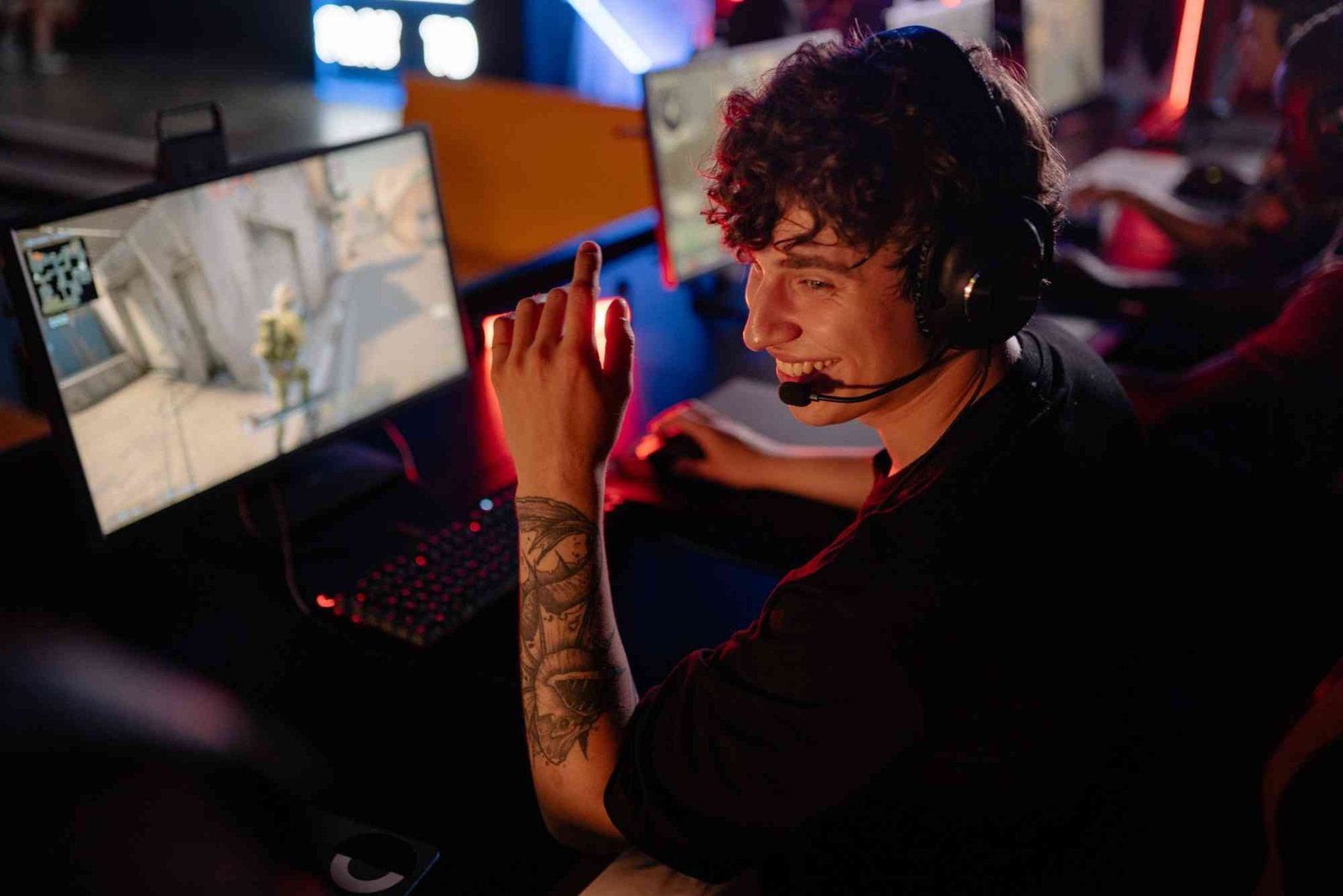
Gaming has evolved far beyond a simple pastime, becoming a central aspect of modern entertainment and social interaction. The term Global Gaming Culture captures the worldwide phenomenon where people, regardless of age or background, connect through video games, esports, and online communities. This culture impacts technology, education, and even social behavior, creating a shared global language among players.
The Evolution of Global Gaming Culture
Early Beginnings of Gaming
Gaming began with arcade machines and home consoles in the late 20th century. Titles like Pac-Man and Super Mario Bros not only entertained but influenced early gamer communities. The introduction of multiplayer modes sparked the first social aspects of gaming, laying the foundation for a global gaming culture.
Rise of Online Gaming
With the internet, games became more connected. MMORPGs like World of Warcraft allowed players worldwide to interact, collaborate, and compete. Online gaming introduced a global dimension, turning gaming from an individual hobby into a social experience.
The Influence of Mobile Gaming
Smartphones brought gaming to new audiences. Games like Pokémon GO and Clash of Clans attracted millions, integrating gaming into daily life. Mobile gaming contributed significantly to the democratization of gaming culture, making it accessible to people who never owned consoles.
Key Components of Global Gaming Culture
Esports and Competitive Gaming
Esports has become a defining feature of modern gaming culture. Professional tournaments for games like League of Legends and Dota 2 draw millions of viewers. This competitive scene has created career opportunities, global fanbases, and international recognition, making esports a major cultural phenomenon.
Streaming and Content Creation
Platforms like Twitch and YouTube Gaming have transformed how players consume and share content. Streamers act as influencers, shaping trends and introducing audiences to new games. This community-driven content strengthens the bonds of global gaming culture.

Gaming Communities and Social Interaction
Online forums, Discord servers, and multiplayer games have fostered vibrant communities. Gamers share experiences, strategies, and fan art, creating cultural exchanges that transcend geographical boundaries. These communities reinforce gaming as a social and cultural force.
Cultural Impact of Global Gaming
Influence on Entertainment
Gaming influences music, movies, and television. Popular franchises inspire films and series, creating cross-media storytelling experiences. This cultural integration highlights gaming’s importance in modern entertainment.
Educational and Cognitive Benefits
Certain games encourage problem-solving, strategy, and teamwork. Educational games promote learning in a fun and engaging way, demonstrating gaming’s potential beyond mere entertainment.
Economic and Technological Influence
Gaming drives technology and economy. High-performance hardware, software development, and online marketplaces thrive thanks to global demand. Gaming culture influences trends in AI, graphics, and virtual reality.
Regional Variations in Gaming Culture
North America and Europe
PC and console gaming dominate, with esports and indie game development thriving. Communities often focus on competitive play and innovation.
Asia
Asia, especially South Korea, China, and Japan, leads in esports and mobile gaming. Gaming is deeply integrated into popular culture, with professional leagues and sponsorships widely recognized.
Emerging Markets
Regions like South America and Africa are rapidly growing in gaming adoption. Mobile devices are driving access, and local gaming communities are forming, contributing to a more diverse global gaming culture.
Challenges and Controversies
Gaming Addiction and Health Concerns
The immersive nature of games sometimes leads to excessive play, affecting physical and mental health. Awareness campaigns and parental controls aim to address these issues.
Gender Representation and Diversity
Historically, gaming culture faced criticism for gender imbalance and lack of diversity. Recent efforts focus on inclusivity, making gaming more welcoming for all players.
Intellectual Property and Piracy
Global distribution brings challenges in protecting intellectual property. Piracy and unauthorized sharing threaten the industry, highlighting the need for responsible gaming practices.
The Future of Global Gaming Culture
Virtual Reality and Augmented Reality
VR and AR promise immersive experiences that redefine gameplay. These technologies could make gaming even more interactive and socially engaging on a global scale.
Cloud Gaming and Accessibility
Cloud gaming allows players to access high-quality games without expensive hardware. This technology can further democratize gaming, enabling wider participation in the global culture.
Integration with Social Platforms
Gaming will continue merging with social media, allowing for real-time interaction, content sharing, and community building. This trend will solidify gaming as a central component of global culture.
Global gaming culture is a dynamic, ever-expanding phenomenon that connects millions worldwide. It influences entertainment, education, technology, and social interaction. As gaming continues to evolve, its cultural impact will grow, shaping how people interact and experience digital worlds. Embrace the global gaming culture by exploring new games, joining communities, and sharing experiences.
indon.id adalah platform digital informatif yang menyajikan berbagai konten terkini seputar teknologi, gaya hidup, bisnis, dan informasi populer lainnya. Dengan tampilan sederhana dan mudah diakses, indon.id menjadi sumber bacaan yang relevan bagi pengguna yang ingin mendapatkan wawasan terpercaya, ringkas, dan up-to-date dalam satu tempat.
FAQ
What is global gaming culture?
Global gaming culture refers to the worldwide phenomenon where people interact through video games, esports, and online communities.
How has gaming culture evolved over time?
Gaming culture evolved from arcade and console games to online, mobile, and competitive esports experiences.
Why is esports important in global gaming culture?
Esports creates professional competition, fan communities, and global recognition, making it a central aspect of gaming culture.
How does gaming influence education and skills?
Certain games enhance problem-solving, strategy, teamwork, and learning, making gaming a valuable educational tool.
What are the challenges in global gaming culture?
Challenges include gaming addiction, gender diversity, intellectual property issues, and balancing entertainment with health.