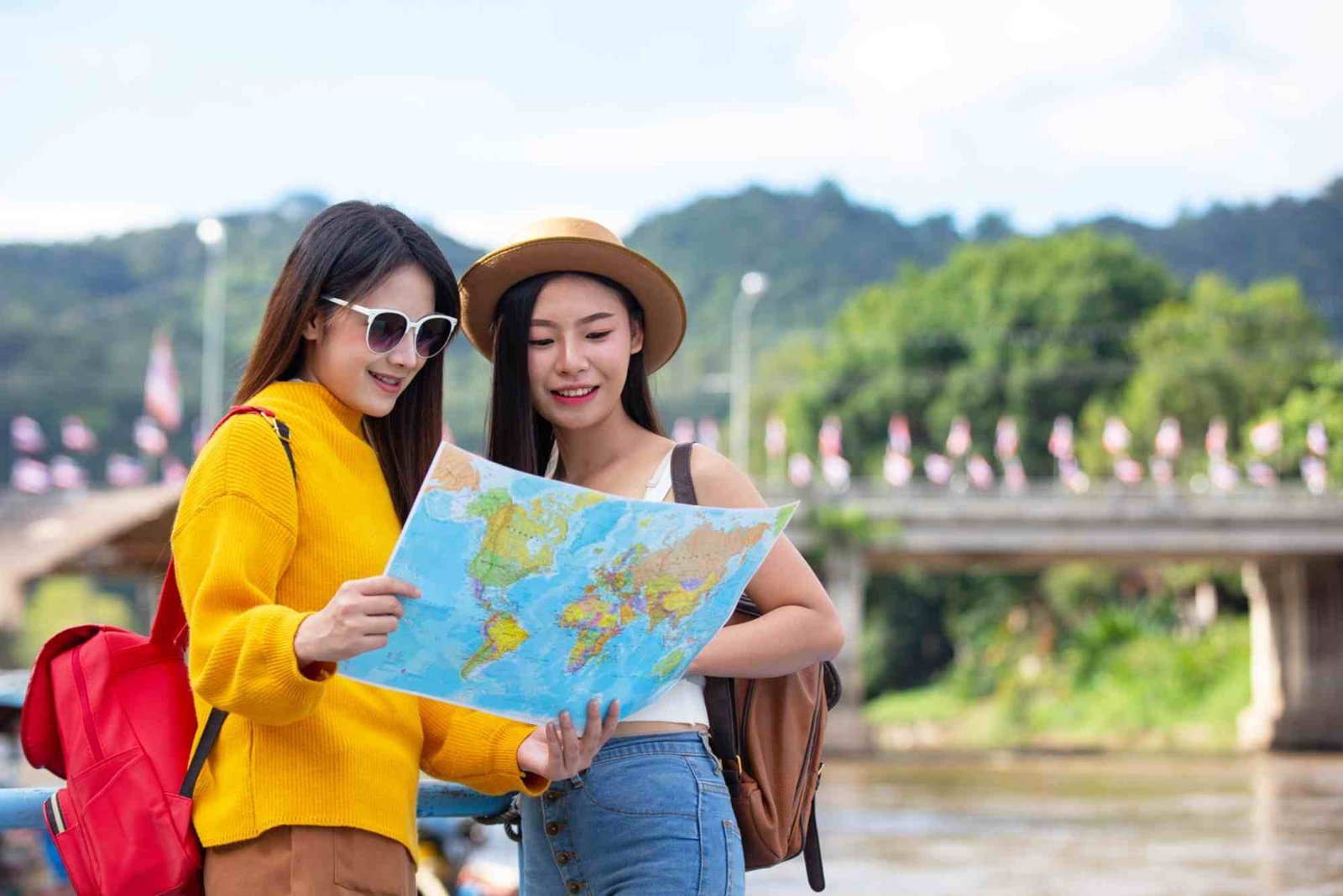

Embarking on your first backpacking trip is exciting but can feel overwhelming. From packing the right gear to planning your route, beginners often face challenges that can make the experience stressful. This guide on backpacking tips for beginners is designed to help you travel smarter, stay comfortable, and enjoy your journey fully. Whether you aim to explore mountains, forests, or cities, these insights will prepare you for a successful adventure.
Planning Your Backpacking Adventure
Choose the Right Destination
Selecting a destination that suits your fitness level and experience is key. Beginners should consider locations with established trails, accessible accommodations, and moderate climates. National parks or popular trekking routes often provide clear maps and marked trails, making navigation easier.
Set a Realistic Itinerary
A flexible plan reduces stress. Start with shorter daily distances and include rest days. Overplanning can lead to fatigue, while underplanning may limit your experience. Factor in travel time, weather conditions, and local attractions to make the journey enjoyable.
Understand Local Regulations and Culture
Research local laws, customs, and environmental rules. Knowing about camping restrictions, permits, or cultural norms helps avoid surprises. Respecting local culture ensures a more positive interaction with communities along your route.
Packing Smart for Your Trip
Choose a Comfortable Backpack
A well-fitted backpack reduces strain and prevents injury. Look for padded shoulder straps, adjustable hip belts, and multiple compartments. Test the backpack with weight before your trip to ensure comfort over long distances.
Pack Essentials Only
Focus on multipurpose items to minimize weight. Include clothing layers, a reliable sleeping system, first-aid kit, navigation tools, and lightweight cooking gear. Avoid overpacking items that you are unlikely to use.

Prioritize Safety and Health Items
Always carry water purification tools, sunscreen, insect repellent, and basic medication. A small first-aid kit can handle minor injuries and prevent serious complications.
Clothing and Footwear Tips
Layer Clothing Effectively
Layering allows you to adapt to changing weather. Start with a moisture-wicking base layer, add an insulating layer, and finish with a waterproof outer layer. Avoid cotton, as it retains moisture and can lead to discomfort or hypothermia.
Invest in Good Footwear
Hiking boots or trail shoes that fit well are crucial. Break them in before your trip to avoid blisters. Choose moisture-wicking socks and consider carrying an extra pair to keep your feet dry and comfortable.
Food and Hydration Strategies
Plan Your Meals
Opt for lightweight, high-energy foods like nuts, dried fruits, and dehydrated meals. Plan meals for each day and carry snacks for energy boosts. Avoid perishable items unless you have proper storage.
Stay Hydrated
Water is vital for energy and safety. Carry a refillable bottle and purifying tools. Monitor your intake and drink regularly, even when you’re not feeling thirsty.
Navigation and Technology
Learn Basic Map and Compass Skills
Even if you plan to use GPS, understanding maps and compass reading ensures safety in case of tech failure. Familiarize yourself with topographical maps and trail markers.
Use Technology Wisely
Smartphones, GPS devices, and travel apps can enhance your trip. Use them for navigation, weather updates, and emergency alerts, but don’t rely solely on them. Backup batteries and offline maps are essential.
Safety and Emergency Preparedness
Share Your Itinerary
Inform a friend or family member about your travel plans and expected return. Regular check-ins provide reassurance and can assist rescuers in case of emergencies.
Know Basic Survival Skills
Learn fire-starting, shelter-building, and emergency signaling techniques. Even simple knowledge can be life-saving in unexpected situations.
Trust Your Instincts
Listen to your body and environment. Avoid risky shortcuts, recognize signs of fatigue, and take rest when needed. Safety should always come first.
Mindset and Enjoying the Journey
Embrace Minimalism
Travel light and focus on experiences rather than possessions. Carrying less weight allows more freedom, reduces stress, and improves mobility.
Stay Flexible and Patient
Backpacking often comes with unexpected delays, weather changes, or route diversions. Adaptability enhances enjoyment and reduces frustration.
Connect with Fellow Travelers
Engaging with other hikers or locals adds depth to your experience. Sharing tips, stories, or meals can make the journey more memorable.
Starting your backpacking journey can be intimidating, but with proper planning, the right gear, and a mindful approach, it becomes a rewarding adventure. By following these backpacking tips for beginners, you’ll gain confidence, enjoy every moment, and create lasting memories. Begin your first trip today, start small, and gradually explore new trails. Your adventure awaits.
indon.id adalah platform digital informatif yang menyajikan berbagai konten terkini seputar teknologi, gaya hidup, bisnis, dan informasi populer lainnya. Dengan tampilan sederhana dan mudah diakses, indon.id menjadi sumber bacaan yang relevan bagi pengguna yang ingin mendapatkan wawasan terpercaya, ringkas, dan up-to-date dalam satu tempat.
FAQ on Backpacking Tips for Beginners
What should beginners pack for a backpacking trip?
Focus on lightweight, multipurpose gear. Essentials include clothing layers, a sleeping system, first-aid kit, navigation tools, and basic cooking supplies.
How do I choose the right backpack for beginners?
Select a backpack with padded straps, adjustable hip belts, and proper weight distribution. Test it loaded to ensure comfort over long distances.
How can I stay safe while backpacking alone?
Share your itinerary, carry safety tools, learn basic survival skills, and stay aware of your surroundings. Always trust your instincts.
How do I avoid overpacking for backpacking?
Plan your meals, clothing, and gear carefully. Focus on items that serve multiple purposes and remove unnecessary extras.
Is it necessary to know map and compass skills for beginners?
Yes. Even if you use GPS, basic map and compass knowledge ensures safety during tech failures or unexpected detours.
How can beginners handle long distances without getting exhausted?
Take shorter daily hikes, rest regularly, stay hydrated, and pace yourself. Listen to your body to avoid fatigue or injury.