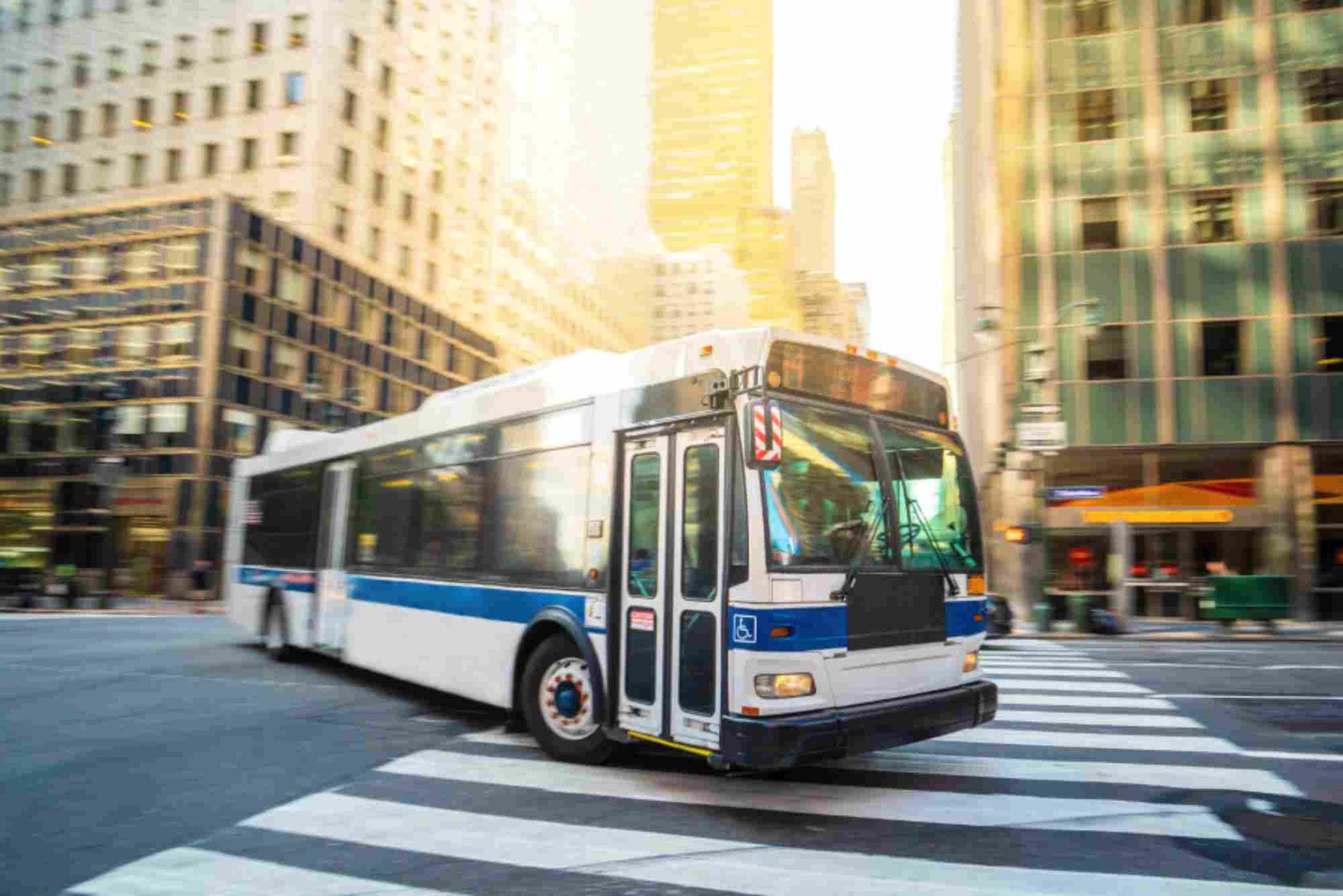
Urbanization is increasing rapidly worldwide, creating significant challenges in traffic congestion, pollution, and commuting efficiency. A Government Program for Mass Transportation plays a critical role in addressing these issues. By investing in sustainable, efficient, and accessible public transit systems, governments aim to improve mobility, reduce environmental impact, and support economic growth.
This article explores the key aspects of government programs for mass transportation, their benefits, implementation strategies, and future trends shaping urban transit.
Understanding Government Programs for Mass Transportation
A Government Program for Mass Transportation is a structured initiative to develop and manage public transit systems. It includes buses, trains, subways, trams, and sometimes non-traditional options like bike-sharing programs. The primary goal is to provide citizens with safe, efficient, and affordable transportation options while reducing reliance on private vehicles.
Objectives of Mass Transportation Programs
The objectives of these programs often include:
- Enhancing urban mobility and reducing traffic congestion
- Promoting environmental sustainability by reducing carbon emissions
- Increasing accessibility for all citizens, including those in underserved areas
- Supporting economic development through improved connectivity
Key Components
Effective mass transportation programs typically consist of:
- Infrastructure development, such as new rail lines or bus corridors
- Modernized fleet management, including energy-efficient vehicles
- Smart technology integration for ticketing, tracking, and route optimization
- Policy measures, including subsidies or incentives for commuters
Benefits of Government Mass Transportation Programs
Investing in mass transportation programs provides a wide range of social, economic, and environmental benefits.

Economic Advantages
Reliable mass transit reduces travel costs for commuters and increases productivity by minimizing time lost in traffic. It also stimulates job creation during the construction and operational phases.
Environmental Impact
Mass transportation reduces greenhouse gas emissions by decreasing the number of private vehicles on the road. Energy-efficient trains and electric buses contribute to cleaner air and healthier urban environments.
Social and Community Benefits
By connecting urban and suburban areas, mass transportation programs enhance social inclusion. They provide mobility options for people without private vehicles, including students, elderly citizens, and low-income families.
Implementation Strategies for Effective Mass Transit Programs
Successful Government Programs for Mass Transportation require careful planning, investment, and public engagement.
Planning and Research
Before launching a program, governments conduct feasibility studies and assess the urban population’s transit needs. Geographic, demographic, and traffic data help design routes and determine the appropriate modes of transport.
Infrastructure Development
Building or upgrading infrastructure is crucial. This includes constructing rail lines, dedicated bus lanes, transit stations, and maintenance facilities. Modern infrastructure ensures safety, efficiency, and long-term sustainability.
Technology Integration
Smart technology enhances service quality. Automated ticketing, mobile apps, GPS tracking, and real-time scheduling improve the commuter experience. Some programs also include AI-based predictive analytics to optimize route efficiency.
Policy and Funding
Funding may come from government budgets, public-private partnerships, or international development grants. Policy measures, like subsidized fares or tax incentives, encourage public adoption and ensure the program’s financial sustainability.
Case Studies of Successful Programs
Several countries have implemented exemplary mass transportation programs that serve as models globally.
Singapore’s Mass Rapid Transit
Singapore’s MRT system emphasizes reliability, efficiency, and coverage. Its integration with buses and light rail creates a seamless commuter experience while reducing congestion.
Japan’s Shinkansen Network
Japan’s bullet trains demonstrate how high-speed rail can connect urban centers efficiently. Investments in technology, safety, and scheduling have made it a global benchmark.
India’s Metro Expansion Programs
Cities like Delhi and Mumbai have invested heavily in metro systems to tackle congestion and pollution. These programs demonstrate how government planning can transform urban mobility even in densely populated areas.
Challenges in Mass Transportation Programs
Despite their benefits, implementing mass transit programs comes with challenges.
Funding Limitations
High capital investment is required for construction, technology integration, and vehicle procurement. Limited budgets can delay or scale down projects.
Urban Planning Constraints
Dense urban areas may lack space for new transit corridors, requiring creative solutions like underground or elevated tracks.
Public Adoption
Encouraging commuters to shift from private vehicles to public transit requires awareness campaigns, convenience, and affordable pricing.
Maintenance and Sustainability
Ensuring long-term reliability depends on regular maintenance, fleet upgrades, and skilled workforce management.
Future Trends in Mass Transportation
Governments are increasingly exploring innovative solutions to enhance urban mobility.
Electric and Green Transit
Electric buses and trains reduce environmental impact. Renewable energy-powered transit is becoming a key component of sustainability initiatives.
Autonomous Vehicles
Self-driving buses and shuttles are being tested to increase efficiency and reduce human error.
Integrated Mobility Solutions
Combining different modes of transport—bike-sharing, ride-hailing, and public transit—into a single system simplifies commuting and promotes usage.
Data-Driven Planning
AI and big data allow governments to optimize routes, predict demand, and improve overall efficiency.
A Government Program for Mass Transportation is essential for modern urban life. By improving mobility, reducing congestion, and supporting environmental sustainability, these programs enhance citizens’ quality of life and economic growth. Effective planning, investment, and innovation are crucial for success.
Governments worldwide are setting examples of how comprehensive transit programs can transform cities. Supporting and using these programs not only benefits individuals but also strengthens communities and the environment.
advocating for expanded transit options in your city and choosing public transportation whenever possible. Your participation helps create a sustainable, accessible, and efficient urban environment.
indon.id adalah platform digital informatif yang menyajikan berbagai konten terkini seputar teknologi, gaya hidup, bisnis, dan informasi populer lainnya. Dengan tampilan sederhana dan mudah diakses, indon.id menjadi sumber bacaan yang relevan bagi pengguna yang ingin mendapatkan wawasan terpercaya, ringkas, dan up-to-date dalam satu tempat.
FAQ: Government Program for Mass Transportation
What is the purpose of a government program for mass transportation?
Its purpose is to provide efficient, safe, and affordable public transit, reduce traffic congestion, and promote sustainable urban mobility.
How do mass transportation programs benefit the environment?
They reduce the number of private vehicles on the road, lowering greenhouse gas emissions and promoting cleaner air.
Which types of transportation are included in these programs?
They include buses, trains, subways, trams, light rail, and sometimes innovative options like bike-sharing or autonomous shuttles.
How are mass transportation programs funded?
Funding comes from government budgets, public-private partnerships, international grants, and revenue from ticketing systems.
What challenges do governments face in implementing mass transit programs?
Challenges include high costs, limited urban space, public adoption, and the need for ongoing maintenance and technology upgrades.
How can technology improve mass transportation?
Technology enables real-time tracking, automated ticketing, optimized routes, predictive analytics, and integrated mobility solutions.
Are there examples of successful programs worldwide?
Yes, Singapore’s MRT, Japan’s Shinkansen, and India’s metro expansions are notable examples of successful government mass transportation programs.