
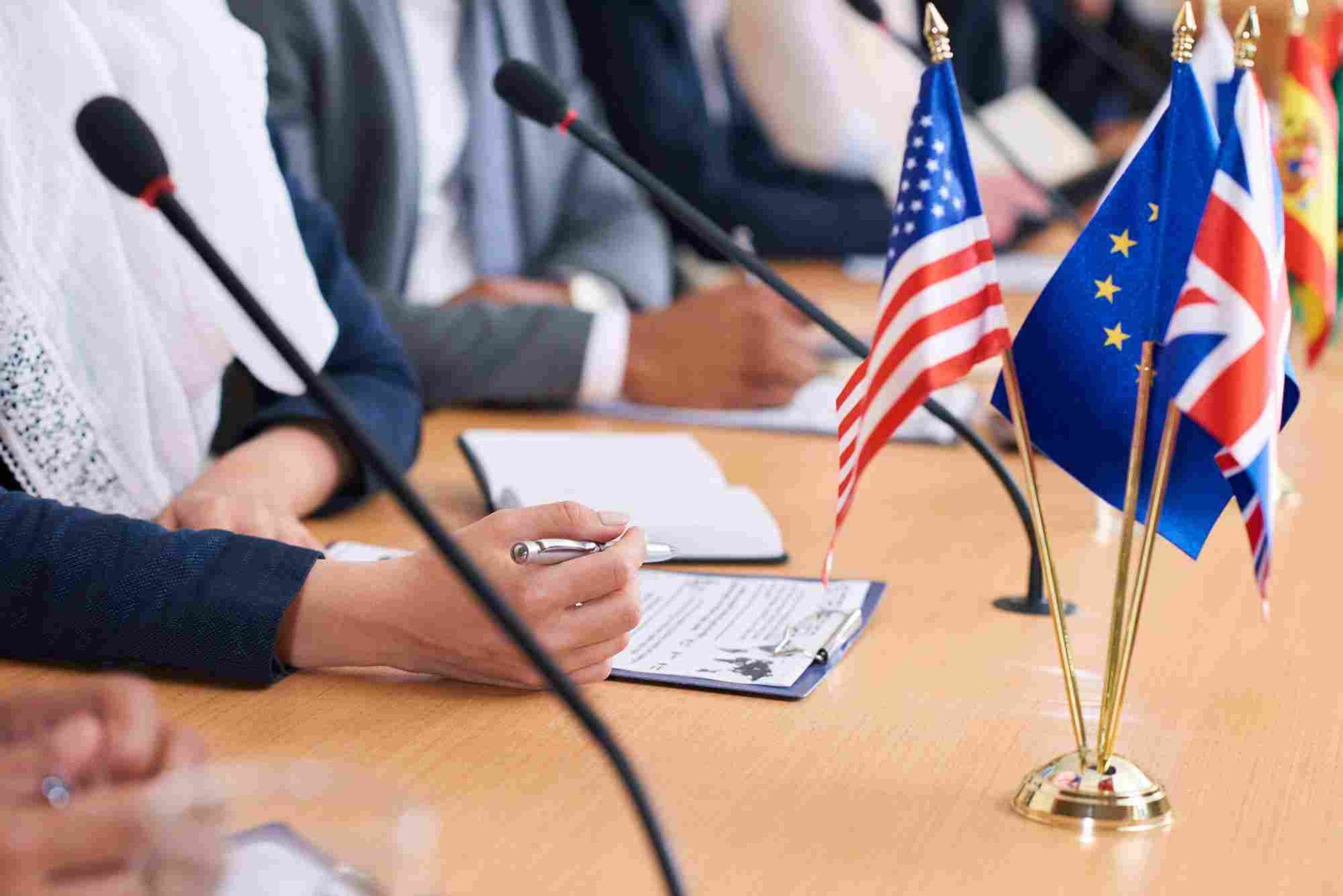
International trade is a cornerstone of the global economy. It allows countries to exchange goods, services, and technologies, fostering economic growth and innovation. However, trade does not happen in a vacuum. Governments play a crucial role in shaping, regulating, and facilitating international trade. Understanding this role is essential for businesses, policymakers, and individuals engaged in global commerce. This article explores the multifaceted ways governments influence international trade and why their involvement is both necessary and impactful.
Understanding Government Involvement in Trade
Governments influence international trade through a combination of policies, regulations, and strategic initiatives. Their role ranges from ensuring fair competition to protecting domestic industries. Without government intervention, markets may experience inefficiencies, imbalances, or unfair practices.
Formulating Trade Policies
Trade policies define the framework for a country’s interactions with global markets. Governments set tariffs, quotas, and subsidies to balance domestic interests with international commitments. Tariffs, for example, protect local industries from sudden foreign competition. Meanwhile, trade agreements can open new markets for domestic products.
Negotiating Trade Agreements
Governments act as negotiators in bilateral and multilateral trade agreements. These agreements aim to reduce trade barriers, standardize regulations, and promote smoother commerce. Successful trade agreements benefit both exporting and importing nations while encouraging investment and innovation.
Regulating Import and Export Activities
Regulation ensures that trade aligns with national interests, safety standards, and environmental guidelines. Governments enforce quality checks, licensing requirements, and customs procedures to maintain market integrity. These measures prevent illegal trade, counterfeit goods, and safety hazards.
Economic Impact of Government in Trade
Government actions directly affect the economy, influencing growth, employment, and market stability. Policies can stimulate domestic industries, encourage foreign investment, and enhance competitiveness in global markets.

Supporting Domestic Industries
Through subsidies, tax incentives, and grants, governments support local businesses to compete internationally. These initiatives help domestic companies reduce costs, invest in technology, and expand their global footprint.
Encouraging Foreign Investment
Governments often create favorable conditions for foreign investors. Policies promoting transparency, legal protection, and infrastructure development attract multinational corporations. This investment can lead to job creation, technological advancement, and overall economic growth.
Balancing Trade Deficits
Trade deficits occur when imports exceed exports. Governments use monetary and fiscal policies, along with trade regulations, to manage these imbalances. By promoting exports and regulating imports, they aim to achieve sustainable economic stability.
Political and Strategic Dimensions
International trade is not only an economic activity but also a political instrument. Governments use trade policies strategically to strengthen diplomatic relations, enforce foreign policy, and secure critical resources.
Trade as a Diplomatic Tool
Trade agreements often reflect diplomatic goals. By offering favorable trade terms, governments can build alliances, strengthen partnerships, and influence geopolitical outcomes. Trade sanctions, conversely, serve as a non-military measure to pressure other nations.
Protecting National Security
Some trade restrictions safeguard sensitive technologies, critical infrastructure, or natural resources. Governments regulate exports to prevent misuse, espionage, or threats to national security. Such measures ensure that trade does not compromise a nation’s strategic interests.
Promoting Sustainable Trade Practices
Governments increasingly incorporate environmental and social standards into trade policies. By enforcing sustainable practices, they encourage ethical production, reduce ecological impact, and maintain long-term global competitiveness.
Challenges in Government Trade Intervention
While government involvement is crucial, it also presents challenges. Poorly designed policies can lead to inefficiency, trade wars, and market distortions.
Risk of Trade Conflicts
Excessive tariffs or protectionist measures may trigger retaliatory actions from other countries. Trade conflicts can reduce global market efficiency, increase costs for consumers, and harm diplomatic relations.
Bureaucratic Inefficiency
Complex regulations and procedures can slow trade operations. Excessive red tape may discourage businesses from participating in international trade, limiting growth opportunities.
Balancing Domestic and Global Interests
Governments must balance supporting domestic industries with meeting international obligations. Prioritizing one over the other can strain trade relations and affect competitiveness.
The role of government in international trade is both vital and complex. From shaping trade policies to negotiating agreements, regulating commerce, and promoting economic growth, governments influence every aspect of global trade. Effective government involvement ensures fair competition, national security, and sustainable development. For businesses, understanding these mechanisms is essential to navigating international markets successfully.
By recognizing the strategic role governments play, companies and investors can make informed decisions and thrive in the global economy. Stay informed about trade policies, monitor international developments, and adapt your business strategies accordingly to maximize opportunities.
indon.id adalah platform digital informatif yang menyajikan berbagai konten terkini seputar teknologi, gaya hidup, bisnis, dan informasi populer lainnya. Dengan tampilan sederhana dan mudah diakses, indon.id menjadi sumber bacaan yang relevan bagi pengguna yang ingin mendapatkan wawasan terpercaya, ringkas, dan up-to-date dalam satu tempat.
Frequently Asked Questions
What is the role of government in international trade?
Governments regulate trade, negotiate agreements, provide subsidies, and enforce policies to protect domestic industries and maintain fair global competition.
How do trade agreements impact businesses?
Trade agreements reduce barriers, expand market access, and establish consistent rules, allowing businesses to operate more efficiently across borders.
Why do governments impose tariffs?
Tariffs protect domestic industries from foreign competition, generate revenue, and sometimes act as a political or diplomatic tool.
How does government support foreign investment?
By offering incentives, legal protections, and infrastructure, governments encourage multinational companies to invest, creating jobs and boosting economic growth.
Can government policies lead to trade conflicts?
Yes, protectionist measures, high tariffs, or restrictions may provoke retaliatory actions, causing trade disputes and global market tension.
How does government ensure sustainable trade?
Governments set environmental and social standards for exports and imports, promoting ethical practices and long-term economic sustainability.