
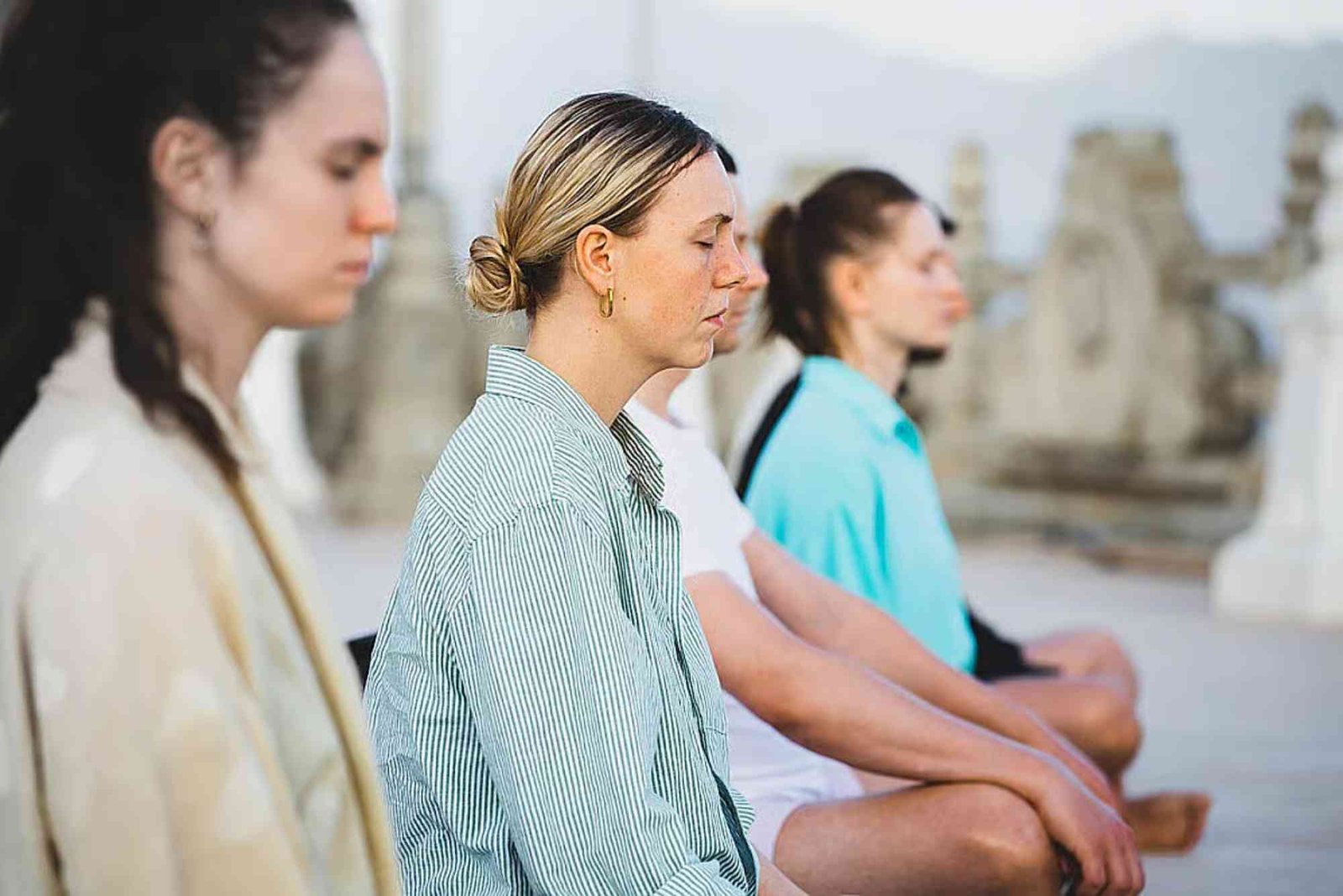
Religious tourism offers travelers a unique chance to combine exploration with spiritual growth. People from across the world embark on journeys to sacred sites to seek peace, self-reflection, and a deeper understanding of their faith. Unlike typical vacations, a spiritual vacation emphasizes connection—both inwardly and with the surrounding culture. From ancient temples to serene monasteries, religious tourism spans multiple faiths and continents. This type of travel not only satisfies curiosity but also provides a meaningful break from the fast pace of modern life.
Understanding Religious Tourism and Its Benefits
Religious tourism refers to journeys undertaken to places of spiritual, sacred, or historical significance. It is not merely sightseeing; it is an immersive experience. Travelers often participate in rituals, festivals, and meditation practices that enrich their spiritual life. These journeys can improve mental clarity, emotional balance, and cultural understanding. The benefits extend beyond spirituality. Engaging with local communities, witnessing sacred architecture, and exploring traditions enhances personal growth. For many, religious tourism is a transformative journey that reshapes their perspective on life.
Top Destinations for a Spiritual Vacation
Certain destinations have gained global recognition for their spiritual significance. Pilgrims and travelers alike visit these locations seeking enlightenment, inspiration, or simply a peaceful retreat.
Varanasi, India
is one of the oldest living cities in the world and holds immense spiritual significance for Hindus. Located along the banks of the Ganges, Varanasi is renowned for its ghats, temples, and evening Aarti ceremonies. Visitors often perform rituals, attend yoga sessions, or take boat rides at sunrise to witness the city’s profound spiritual energy.
Mecca, Saudi Arabia
is the ultimate destination for Muslims, attracting millions during Hajj and Umrah. It is considered the holiest city in Islam, and pilgrims experience a deep sense of devotion and unity. Visiting Mecca is not just a religious requirement for Muslims but also an opportunity to reflect on faith, discipline, and gratitude.
Jerusalem, Israel
holds a sacred place for Jews, Christians, and Muslims. Pilgrims visit the Western Wall, the Church of the Holy Sepulchre, and the Al-Aqsa Mosque to connect with centuries of religious history. The city’s spiritual atmosphere is enhanced by guided tours, prayer sessions, and historical exploration, making it a profound experience for any religious traveler.

Lhasa, Tibet
is renowned for its Tibetan Buddhist monasteries, including the iconic Potala Palace. Travelers are drawn to the serene landscapes, chants, and meditation practices. Lhasa provides an immersive experience in Buddhist philosophy, allowing visitors to explore mindfulness and spiritual introspection.
Santiago de Compostela, Spain
is the endpoint of the famous Camino de Santiago pilgrimage. Thousands walk across Europe, arriving at the cathedral to pay homage to St. James. The journey itself is considered as spiritually rewarding as the destination, encouraging reflection, endurance, and personal growth.
Cultural and Spiritual Practices During Religious Tourism
Engaging with local spiritual practices enhances the experience of religious tourism. Participating in rituals, ceremonies, and meditation sessions fosters a connection to the local culture and faith. Attending festivals, such as Diwali in India, Ramadan in the Middle East, or Easter in Europe, allows travelers to witness traditions firsthand. Visitors often find these practices not only enlightening but also calming and grounding.
Food is another aspect of religious tourism. Many sacred destinations feature dietary customs tied to faith, such as vegetarian offerings at temples or fasting rituals during sacred periods. Sampling traditional cuisine can offer insights into the spiritual lifestyle of the local community.
Planning a Spiritual Vacation
Effective planning is essential for a fulfilling spiritual vacation. Researching the destination’s religious significance, festivals, and rituals helps travelers engage meaningfully. Timing the trip to coincide with important events can enhance the experience. Pilgrims may also need to prepare physically and mentally, particularly if walking long distances or participating in extended ceremonies.
Accommodation near sacred sites often provides opportunities for meditation, workshops, and cultural immersion. Choosing lodging that respects local customs ensures a harmonious experience. Travelers should also familiarize themselves with dress codes, etiquette, and behavioral expectations, as respecting local traditions is an integral part of spiritual tourism.
Connecting Mind, Body, and Spirit
Spiritual vacations aim to balance mind, body, and spirit. Practices such as yoga, meditation, chanting, and mindfulness help travelers reconnect with themselves. The serene atmosphere of temples, monasteries, and sacred landscapes encourages reflection and introspection. Unlike conventional travel, where activities focus on entertainment or sightseeing, religious tourism emphasizes inner peace and emotional healing.
Nature often complements spiritual journeys. Many sacred sites are located in serene landscapes, including mountains, rivers, and forests. These surroundings provide a calming backdrop, allowing visitors to slow down and appreciate life’s simplicity. Incorporating nature into spiritual travel amplifies the restorative benefits of the experience.
Religious Tourism Across Different Faiths
Religious tourism is not limited to one faith. Across the globe, each religion offers unique experiences for spiritual seekers. Christianity, Islam, Hinduism, Buddhism, and Judaism all have sites that attract pilgrims. Interfaith tourism encourages understanding, tolerance, and respect among different cultures. Travelers gain perspective on diverse beliefs and practices, enriching their spiritual and cultural knowledge.
Sustainable Religious Tourism
Sustainability is becoming increasingly important in religious tourism. Protecting sacred sites, minimizing environmental impact, and supporting local communities ensure that spiritual destinations can be enjoyed by future generations. Travelers are encouraged to practice responsible tourism by respecting local customs, avoiding littering, and supporting eco-friendly accommodations. Sustainable practices enhance the spiritual journey by fostering mindfulness and compassion.
Experiencing Transformation Through Religious Tourism
Many travelers report personal transformation after religious tourism. Exposure to diverse spiritual practices, immersion in sacred spaces, and engagement with local communities often lead to a renewed sense of purpose. Reflection and meditation during the journey help release stress, gain clarity, and develop empathy. Spiritual vacations provide lasting memories that influence personal growth long after the trip concludes.
Religious tourism offers a rare blend of exploration, reflection, and spiritual enrichment. From ancient temples to sacred cities, these destinations provide travelers with an opportunity to deepen faith, experience cultural traditions, and find inner peace. Planning a spiritual vacation requires mindfulness, preparation, and respect for local customs, but the rewards are profound. If you seek a meaningful escape that nurtures both soul and mind, embarking on a journey to a religious site is an experience unlike any other. Start planning your spiritual vacation today and embrace the transformative power of religious tourism.
Discover a world of insightful articles, tips, and updates on various topics at Indon.id. From lifestyle and technology to social trends, we bring you content that informs and inspires. Stay connected, explore new ideas, and enrich your knowledge by visiting our homepage here.
FAQs
What is the best destination for religious tourism?
The best destination depends on your faith and interest. Varanasi, Mecca, Jerusalem, Lhasa, and Santiago de Compostela are popular choices.
How can I prepare for a spiritual vacation?
Research your destination, respect local customs, and prepare physically and mentally for rituals or long walks.
What activities are part of religious tourism?
Activities may include meditation, prayer, rituals, festivals, walking pilgrimages, and cultural experiences.
Is religious tourism suitable for non-religious travelers?
Yes. Many non-religious travelers seek cultural immersion, historical knowledge, and serene experiences without following a particular faith.
How can I ensure a responsible religious tourism experience?
Respect sacred sites, avoid littering, follow local etiquette, and support eco-friendly accommodations and local businesses.