
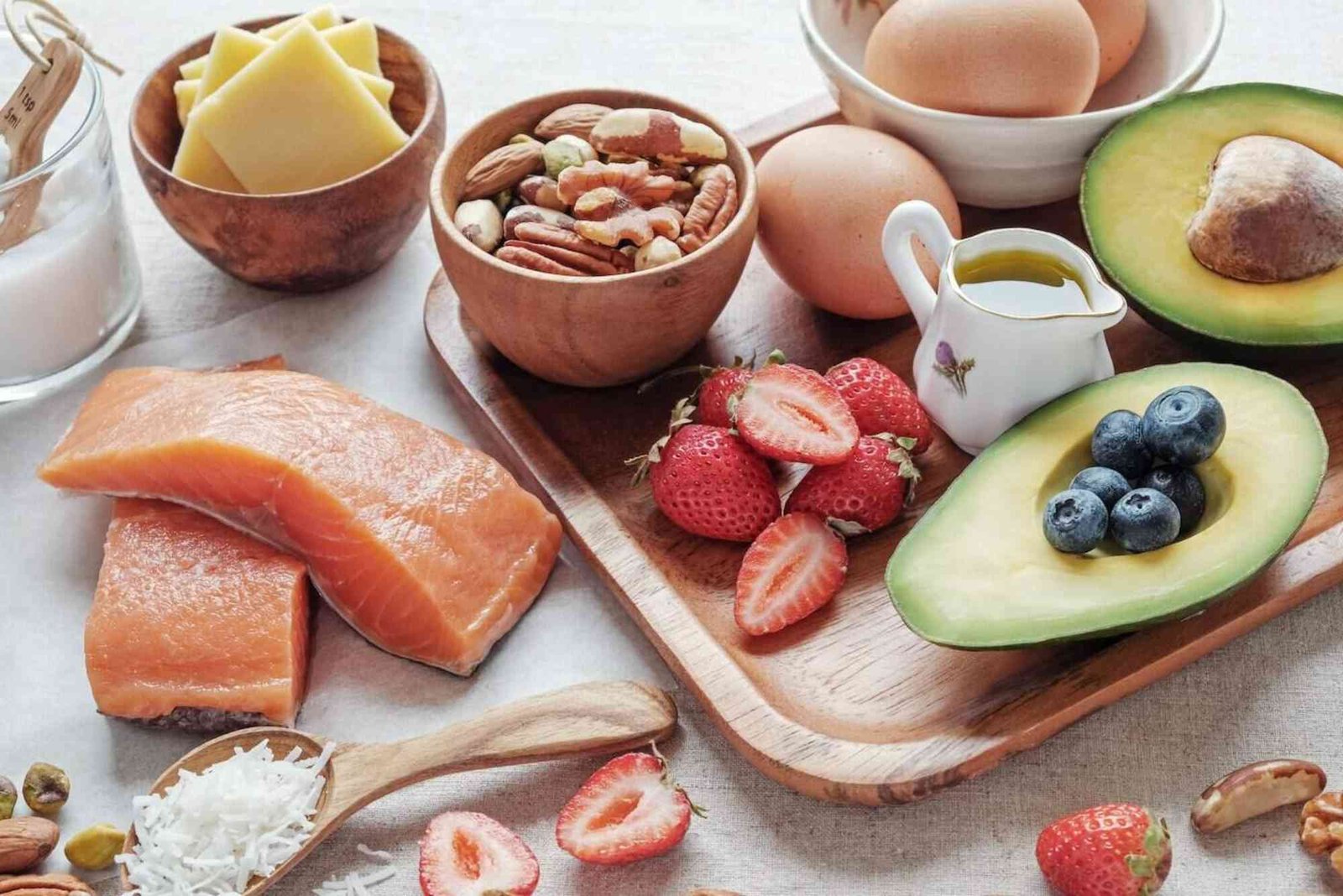
Protein is an essential nutrient that supports the body’s growth, repair, and overall health. Whether you are an athlete, fitness enthusiast, or someone focused on maintaining a balanced diet, consuming foods with high protein content is crucial. Proteins are the building blocks of muscles, enzymes, and hormones, and they play a pivotal role in immune function, tissue repair, and energy production. Including protein-rich foods in your meals can help manage weight, improve metabolism, and enhance overall wellness.
A diet rich in protein also aids in satiety, meaning you feel fuller for longer periods, which helps reduce unnecessary snacking and supports healthy weight management. It is vital to understand that not all protein sources are equal. Proteins can come from animal or plant sources, and each type offers unique benefits. Animal-based proteins usually provide all essential amino acids, while plant-based proteins often need to be combined to meet the body’s complete amino acid requirements. Incorporating a variety of protein-rich foods ensures balanced nutrition. From eggs and dairy products to legumes, nuts, and seeds, there are plenty of options to meet your daily protein needs. Alongside protein intake, maintaining proper hydration, balanced carbohydrates, and healthy fats will optimize the benefits of a protein-focused diet.
Animal-Based Protein Sources
Animal-based proteins are considered complete proteins because they contain all nine essential amino acids that the body cannot produce on its own. Including these foods in your diet can help support muscle repair, boost energy, and improve overall health.
Eggs
Eggs are one of the most versatile and nutrient-dense protein sources. One large egg contains about six grams of high-quality protein along with essential vitamins and minerals like vitamin B12, vitamin D, and selenium. Eggs are beneficial for muscle development, brain function, and maintaining healthy hair and nails. Preparing eggs boiled, scrambled, or as part of a balanced meal can easily increase daily protein intake.
Chicken and Turkey
Poultry is widely recognized as a lean source of protein. Chicken breast, for instance, provides around 31 grams of protein per 100 grams. It is low in fat and can be prepared in numerous ways, from grilling to baking. Turkey also offers a high protein content while being low in calories, making it ideal for those focused on weight management. Including poultry in weekly meal plans supports muscle growth and provides long-lasting energy.
Fish and Seafood
Fish such as salmon, tuna, and cod are excellent protein sources while also providing heart-healthy omega-3 fatty acids. Seafood supports brain health, improves cardiovascular function, and contributes to overall wellness. Oily fish like salmon and mackerel are particularly beneficial as they combine protein with healthy fats that reduce inflammation and promote joint health. Shellfish such as shrimp and crab are also high in protein but low in calories, making them perfect for light yet nutrient-packed meals.

Dairy Products
Milk, yogurt, and cheese are rich in protein and calcium, which supports strong bones and teeth. Greek yogurt is particularly high in protein, containing nearly twice the amount found in regular yogurt. Cottage cheese is another excellent option, providing around 14 grams of protein per 100 grams. Dairy proteins are easily digestible and ideal for both children and adults looking to maintain muscle mass and healthy bones.
Plant-Based Protein Sources
Plant-based proteins are increasingly popular among individuals following vegetarian or vegan diets. While some plant proteins are not complete, combining them can ensure adequate intake of all essential amino acids.
Legumes and Beans
Legumes such as lentils, chickpeas, black beans, and kidney beans are protein powerhouses. They provide fiber, vitamins, and minerals alongside protein, promoting digestive health and satiety. For example, one cup of cooked lentils contains approximately 18 grams of protein. Beans can be included in salads, soups, stews, or even as protein-packed spreads. They are not only nutritious but also affordable and sustainable.
Tofu and Tempeh
Soy-based products like tofu and tempeh are excellent sources of complete plant proteins. Tofu is versatile and can absorb flavors, making it suitable for stir-fries, soups, and even desserts. Tempeh has a firmer texture and a nutty flavor, providing around 19 grams of protein per 100 grams. These soy-based foods support muscle growth, bone health, and heart health due to their high protein and isoflavone content.
Nuts and Seeds
Nuts and seeds are not only protein-rich but also provide healthy fats, fiber, and micronutrients. Almonds, peanuts, chia seeds, and pumpkin seeds are excellent options. For instance, 28 grams of almonds offer about 6 grams of protein. Nuts and seeds are perfect as snacks, toppings for yogurt, or additions to smoothies, contributing to sustained energy levels and overall health.
Whole Grains
Whole grains such as quinoa, oats, and brown rice are good sources of protein and fiber. Quinoa is unique because it contains all nine essential amino acids, making it a complete plant-based protein. Oats provide around 5 grams of protein per half-cup serving and are versatile for breakfast, baking, or snacks. Including whole grains in your diet supports digestion, stabilizes blood sugar, and provides long-lasting energy.
Tips to Increase Protein Intake
Increasing protein intake doesn’t mean you need to eat meat at every meal. Combining different protein sources throughout the day ensures optimal nutrition. Pairing grains with legumes, such as rice with beans, provides complete proteins. Incorporating eggs or Greek yogurt into breakfast, adding nuts to snacks, or using tofu in lunch or dinner dishes are simple yet effective strategies.
It is also important to consider portion sizes. For adults, the recommended dietary allowance (RDA) of protein is around 0.8 grams per kilogram of body weight. However, athletes or individuals aiming for muscle gain may require higher amounts, sometimes reaching 1.2 to 2.0 grams per kilogram. Ensuring balanced meals with adequate protein will help sustain energy, promote recovery, and support overall health.
Benefits of High Protein Diet
A diet rich in protein offers numerous benefits beyond muscle growth. Protein supports weight management by promoting satiety and reducing appetite. It enhances metabolism, as protein requires more energy to digest compared to carbohydrates and fats. Adequate protein intake improves skin, hair, and nail health while supporting bone strength and immune function. Additionally, consuming high-protein foods during weight loss programs can help preserve lean muscle mass, ensuring sustainable results.
High-protein diets also contribute to stable blood sugar levels. By slowing digestion, protein helps prevent rapid spikes and drops in blood sugar, which is particularly beneficial for individuals with diabetes or those prone to energy crashes. Including a combination of animal and plant-based proteins ensures a diverse nutrient profile, offering all the essential amino acids, vitamins, and minerals your body needs.
Including foods with high protein content in your daily diet is essential for maintaining overall health, energy, and muscle mass. From eggs, poultry, and fish to legumes, nuts, and whole grains, there are countless ways to meet your protein needs. Prioritizing a balance between animal and plant-based sources ensures complete nutrition and supports long-term wellness. Start incorporating more protein-rich foods into your meals today to feel energized, stay fuller longer, and promote healthy growth and recovery. Consistency and variety are key, and even small dietary changes can make a significant impact on your health over time. Boost your health now by planning meals around high-protein foods and discovering the benefits for yourself.
Choosing the right dairy products is essential for maintaining a balanced diet and supporting overall health. From milk and yogurt to cheese, each product offers unique nutritional benefits that contribute to your daily needs. Learn practical tips and expert advice on selecting high-quality dairy items that fit your lifestyle by visiting this guide: How to Choose Dairy Products for Daily Needs.
FAQs
What are the best high-protein foods for weight loss?
Eggs, chicken, fish, Greek yogurt, beans, and lentils are excellent options as they provide satiety with fewer calories.
How much protein should I eat daily?
The general recommendation is 0.8 grams per kilogram of body weight. Athletes or active individuals may need 1.2 to 2.0 grams per kilogram.
Are plant-based proteins enough for muscle building?
Yes, combining foods like beans, lentils, quinoa, tofu, and nuts can provide all essential amino acids needed for muscle growth.
Can high-protein diets be harmful?
Moderate protein intake is safe for most people. Excessive amounts over time may affect kidney health in individuals with pre-existing conditions.
What is a complete protein?
A complete protein contains all nine essential amino acids. Animal proteins and certain plant foods like quinoa and soy are complete proteins.