
Introduction
Digestive health is a cornerstone of overall wellness, and one of the most effective ways to support it is by consuming a diet rich in fiber. High-fiber foods help maintain regular bowel movements, prevent constipation, support gut bacteria, and reduce the risk of digestive disorders. For anyone looking to improve their digestive system naturally, understanding which foods are high in fiber and how they benefit the body is essential.
In this article, we will explore a comprehensive list of high-fiber foods, categorize them based on type, and explain how incorporating them into your daily diet can improve digestion.
Why Fiber Is Important for Digestion
Dietary fiber is a type of carbohydrate found in plant-based foods that the body cannot digest. Instead of being broken down, fiber passes relatively intact through the digestive system, providing multiple benefits:
Promotes Regular Bowel Movements
Fiber adds bulk to stool, making it easier to pass and reducing the likelihood of constipation. Soluble fiber absorbs water, softening stool, while insoluble fiber increases stool bulk.
Supports Gut Microbiota
Certain types of fiber, like prebiotics, feed beneficial gut bacteria. A healthy microbiome can enhance digestion, boost immunity, and reduce inflammation.
Reduces Risk of Digestive Disorders
High-fiber diets have been linked to a lower risk of colon cancer, diverticulitis, and other gastrointestinal disorders.

Controls Blood Sugar and Cholesterol
Fiber slows the absorption of sugar and binds to cholesterol, helping maintain balanced blood sugar levels and supporting heart health.
High-Fiber Foods That Aid Digestion
Fruits
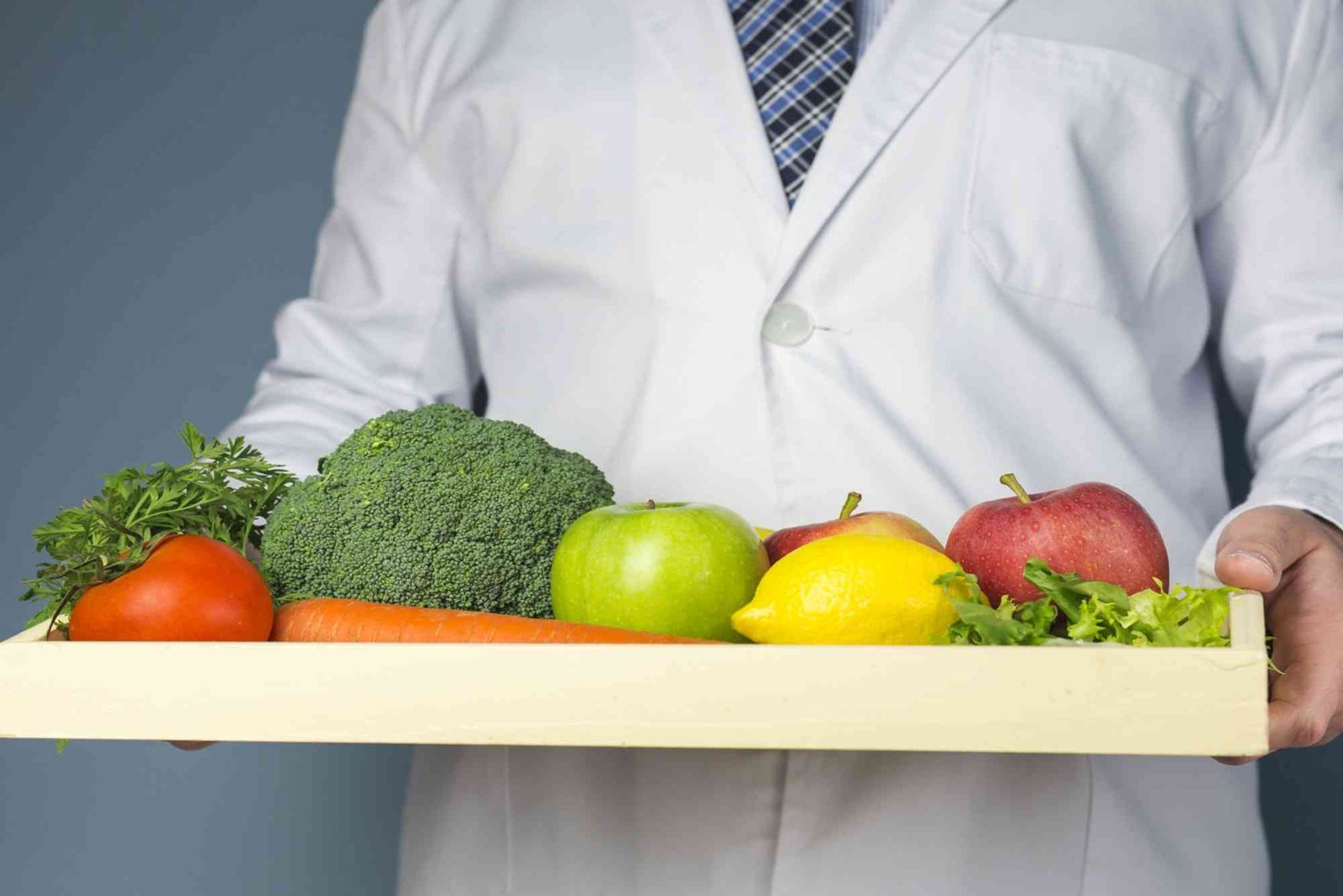
Fruits are naturally rich in fiber and also provide essential vitamins and antioxidants.
Apples
Apples contain both soluble and insoluble fiber, particularly pectin, which helps soften stool and feed gut bacteria. Eating them with the skin maximizes fiber intake.
Berries
Raspberries, blackberries, and blueberries are high in fiber and antioxidants. They aid in regulating digestion and have anti-inflammatory properties that benefit the gut lining.
Pears
Pears are rich in soluble fiber and water content, making them highly effective in preventing constipation and promoting smooth digestion.
Bananas
Bananas contain soluble fiber called resistant starch, which functions as a prebiotic, supporting the growth of healthy gut bacteria.
Vegetables
Vegetables are among the best sources of dietary fiber, offering both soluble and insoluble types.
Broccoli
Broccoli is a cruciferous vegetable packed with insoluble fiber, aiding bowel regularity. It also contains sulforaphane, which may promote gut health.
Carrots
Carrots provide soluble fiber in the form of pectin, which helps in stool formation and feeds beneficial gut bacteria.
Spinach and Leafy Greens
Leafy greens are high in insoluble fiber, essential for maintaining digestive movement and preventing constipation.
Sweet Potatoes
Sweet potatoes are a good source of soluble fiber, which slows digestion, keeps you fuller for longer, and regulates bowel movements.
Legumes and Beans
Legumes are fiber powerhouses and excellent for long-term digestive health.
Lentils
Lentils contain both soluble and insoluble fiber, which promote regular bowel movements and nourish gut bacteria.
Chickpeas
Chickpeas provide insoluble fiber that increases stool bulk, reducing constipation and improving gut motility.
Black Beans
Black beans are rich in fiber and resistant starch, which support healthy gut bacteria and improve digestion.
Whole Grains
Replacing refined grains with whole grains can significantly improve digestive function.
Oats
Oats are a rich source of soluble fiber, particularly beta-glucan, which helps regulate digestion and stabilizes blood sugar.
Brown Rice
Brown rice contains insoluble fiber, promoting bowel regularity and preventing digestive discomfort.
Quinoa
Quinoa offers a mix of fiber and protein, which aids digestion while providing essential nutrients for overall gut health.
Barley
Barley is high in both soluble and insoluble fiber, supporting healthy digestion and maintaining a feeling of fullness.
Nuts and Seeds
Nuts and seeds provide fiber along with healthy fats, vitamins, and minerals, making them great additions to a digestive-friendly diet.
Chia Seeds
Chia seeds are high in soluble fiber that forms a gel-like substance in the gut, easing stool passage and supporting gut microbiota.
Flaxseeds
Flaxseeds contain both soluble and insoluble fiber and are known for their ability to relieve constipation naturally.
Almonds
Almonds provide insoluble fiber and healthy fats, supporting gut movement and overall digestive health.
Walnuts
Walnuts contain prebiotic fibers that help nourish beneficial gut bacteria, improving digestion and reducing inflammation.
Fermented Foods
Though not always high in fiber, fermented foods support digestion by enhancing gut bacteria.
Yogurt
Yogurt contains probiotics that aid in digestion and support a balanced gut microbiome.
Kimchi and Sauerkraut
Fermented vegetables provide beneficial bacteria that help improve nutrient absorption and digestive function.
Tips to Incorporate High-Fiber Foods
- Start Slowly: Increase fiber intake gradually to prevent bloating and gas.
- Stay Hydrated: Drink plenty of water to help fiber move through the digestive system.
- Mix Soluble and Insoluble Fiber: Both types work together to improve digestion.
- Snack Smart: Choose fruits, nuts, and seeds over processed snacks.
- Include Fiber in Every Meal: Add vegetables, legumes, or whole grains to each meal.
A diet rich in high-fiber foods is a natural and effective way to support digestion, maintain bowel regularity, and promote overall gut health. Incorporating fruits, vegetables, legumes, whole grains, nuts, seeds, and fermented foods can dramatically improve digestive function and reduce the risk of digestive disorders.
Start today by adding a few high-fiber foods to your meals and gradually build a routine that prioritizes digestive health. Your gut will thank you!
FAQs
How much fiber should I eat daily for good digestion?
Most adults should aim for 25–30 grams of fiber per day. Gradually increasing intake helps prevent bloating and gas.
Can high-fiber foods cause bloating?
Yes, suddenly increasing fiber intake may cause temporary bloating. Start slowly and drink plenty of water to reduce discomfort.
Are there foods that help digestion instantly?
Foods high in soluble fiber, such as oats, bananas, and chia seeds, can help regulate bowel movements relatively quickly.
Are all fibers equally beneficial for digestion?
No. Soluble fiber absorbs water and softens stool, while insoluble fiber adds bulk and promotes movement. Both are important for optimal digestive health.
Can fiber improve gut bacteria?
Yes, certain fibers act as prebiotics, feeding beneficial gut bacteria and supporting overall digestive and immune health.
Tips for Reading Nutrition Labels on Packaging: Understanding nutrition labels helps you make healthier choices. Focus on serving size, calories, and key nutrients like sugar, fat, and fiber. Check % Daily Value to see if a nutrient is high or low. Ingredients are listed by amount—first ones appear most. Reading labels empowers smarter eating habits.