
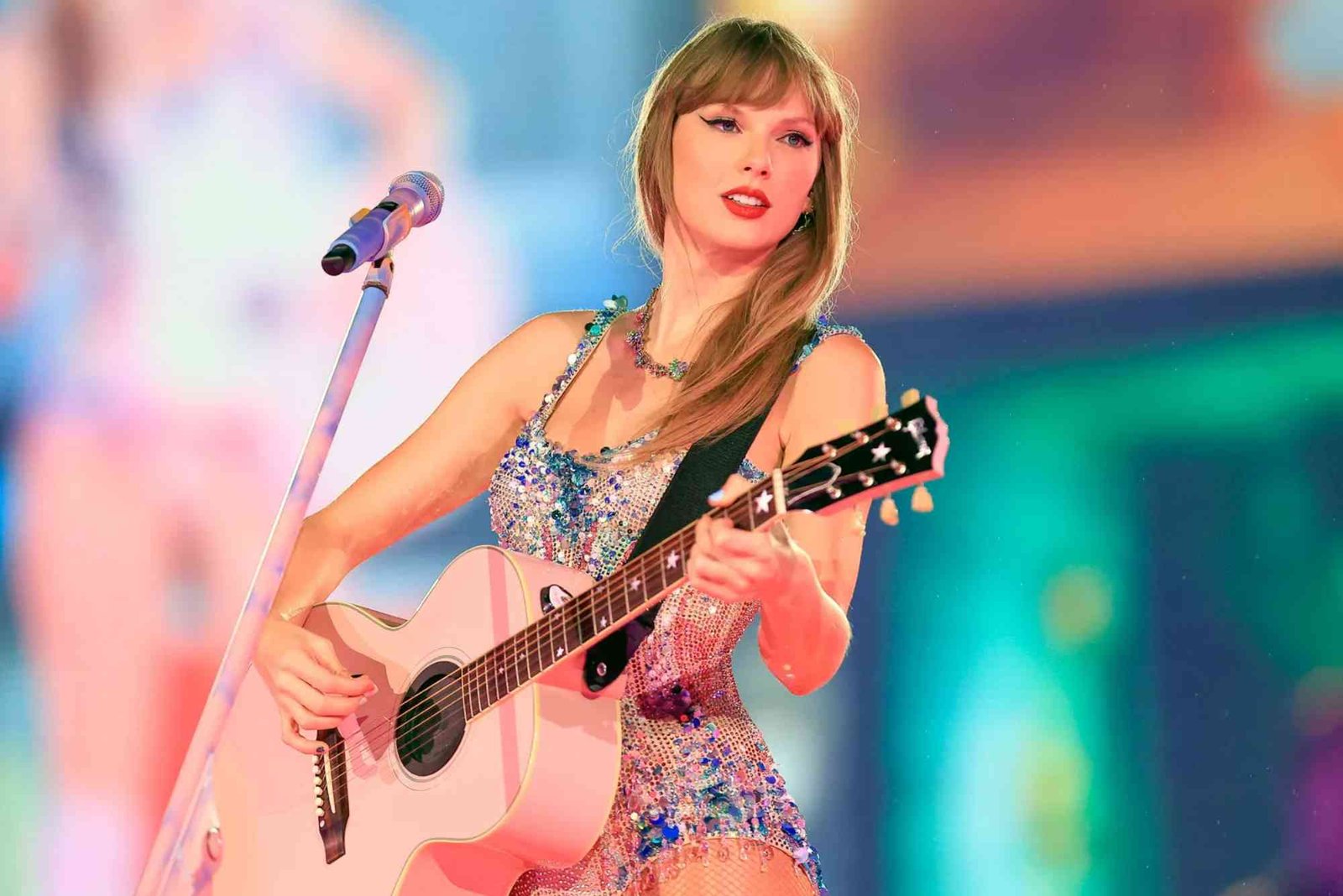
Pop music has always been more than just catchy melodies and upbeat rhythms. It reflects society, mirrors trends, and often acts as a cultural barometer. Popular culture and pop music share a symbiotic relationship, where each continuously shapes and influences the other. From fashion and movies to social movements and technological advancements, popular culture leaves a distinct imprint on the sounds and styles that dominate the charts. Understanding this connection provides insight into why certain songs resonate universally and why some trends fade quickly.
The Interconnection Between Pop Music and Popular Culture
Pop music does not exist in isolation. It thrives within a cultural ecosystem that includes fashion, social behavior, media, and technology. This connection allows music to reflect current societal norms while influencing audience preferences. Pop stars often become cultural icons, shaping lifestyles, fashion choices, and even political opinions. In turn, the cultural zeitgeist informs the creation of new music, influencing lyrics, melodies, and production styles. This continuous feedback loop ensures that pop music evolves alongside society, remaining relevant to its audience.
Pop Music as a Reflection of Social Trends
Pop music often mirrors social and cultural trends. For example, in the 1960s, the rise of counterculture and youth rebellion was reflected in the music of The Beatles and The Rolling Stones. Songs often carried messages of freedom, experimentation, and social change. Similarly, the 1980s saw the influence of consumerism, technology, and globalized culture in pop music, with artists like Madonna and Michael Jackson leading the way. Lyrics, visuals, and performance styles often incorporate contemporary societal concerns, making pop music a mirror to the times. This reflection allows listeners to relate on a personal level, as music often echoes their experiences, desires, and frustrations.
Influence of Fashion and Visual Culture on Pop Music
Fashion and visual culture play a crucial role in shaping pop music. Artists often use clothing, hairstyles, and stage designs to reinforce their musical identity. The impact of MTV in the 1980s transformed music into a visual experience, merging fashion and sound into a single cultural product. Pop icons like Lady Gaga and BTS use costumes and choreography to create a unique aesthetic that resonates with their fanbase. These visual elements often set trends, influencing how fans dress, style themselves, and even express identity. By connecting image and sound, pop music becomes a holistic cultural phenomenon that extends beyond audio entertainment.
Technology and Its Role in Shaping Pop Music Trends
Technology has revolutionized both popular culture and pop music. Advances in music production, distribution, and consumption have allowed artists to reach global audiences instantly. The rise of social media platforms such as TikTok and Instagram has created new avenues for popularizing music, with viral challenges often propelling songs to international fame. Streaming services like Spotify and Apple Music allow listeners to discover music based on cultural trends and preferences, creating data-driven insights that influence artists’ creative decisions. Technology ensures that pop music remains adaptive and closely tied to cultural evolution.
Globalization and Cross-Cultural Influences in Pop Music
Globalization has expanded the reach of pop music, introducing cross-cultural influences that reshape sounds and styles. Artists now incorporate international rhythms, languages, and instruments into their music, creating a fusion that reflects diverse cultural experiences. The global rise of K-pop demonstrates how music can transcend language and borders while integrating cultural nuances. Collaborations between Western artists and international musicians further illustrate how popular culture fosters musical experimentation and diversity. This exchange enriches pop music and enables it to resonate with audiences worldwide, reflecting a more interconnected cultural landscape.

Pop Music as a Tool for Social Commentary
Pop music has often served as a platform for social commentary, reflecting societal issues and inspiring change. Artists use their music to address topics such as inequality, mental health, and political unrest. Songs like Beyoncé’s “Formation” and Billie Eilish’s “All the Good Girls Go to Hell” highlight cultural concerns and provoke conversations among audiences. Popular culture amplifies these messages, ensuring they reach broader demographics. In this way, pop music becomes more than entertainment—it acts as a catalyst for awareness and cultural reflection, demonstrating the influence of societal trends on artistic expression.
The Impact of Pop Icons on Popular Culture
Pop icons hold significant power in shaping trends and influencing societal norms. Their personalities, lifestyles, and artistic choices often extend beyond music, impacting how fans perceive identity, relationships, and values. The influence of artists like Madonna, Michael Jackson, and Taylor Swift illustrates how pop stars can define fashion, speech, and behavior across generations. Through social media engagement and public appearances, these artists maintain visibility, reinforcing cultural ideals and inspiring fan communities. Pop icons embody the connection between music and popular culture, demonstrating how personal branding and artistry shape collective cultural experiences.
Marketing and Media: Driving the Cultural Impact of Pop Music
Marketing strategies and media representation amplify the relationship between pop music and culture. Record labels, PR campaigns, and media outlets carefully curate artists’ public images, influencing cultural trends and audience perceptions. Music videos, interviews, and live performances serve as cultural statements, shaping how music is consumed and interpreted. Media platforms highlight certain themes, aesthetics, or narratives, giving rise to trends that permeate society. This strategic promotion ensures that pop music not only entertains but also reflects and influences cultural values, bridging the gap between artists and their audiences.
The Evolution of Pop Music Through Cultural Shifts
Pop music continuously evolves as cultural trends shift. Changes in societal attitudes, technological advancements, and global events directly impact the themes, styles, and production of pop music. For example, the rise of digital culture has emphasized electronic production, DIY content creation, and interactive fan engagement. Political movements inspire protest songs, while social media trends drive viral hits. The dynamic nature of culture ensures that pop music remains fluid and responsive, constantly adapting to resonate with the collective consciousness of its audience. This evolution highlights the deep-rooted influence of popular culture on musical development.
Why Understanding the Connection Matters
Recognizing the influence of popular culture on pop music helps explain why certain songs gain widespread appeal while others fade quickly. It highlights how music can reflect societal moods, inspire trends, and foster community among listeners. For artists, understanding cultural influences enables more authentic and impactful creations. For fans, it provides a deeper appreciation of music as a mirror of social, technological, and artistic evolution. This connection underscores the importance of cultural literacy in both creating and consuming pop music, illustrating its role as a vibrant, living reflection of contemporary life.
Popular culture and pop music are inseparable, each continuously shaping and reflecting the other. From social trends and fashion to technology and globalization, cultural forces influence how music is created, shared, and consumed. Pop music acts as both a reflection of society and a driver of cultural change, offering insight into societal values, desires, and movements. Understanding this connection enriches our appreciation of music and the world around us. Embrace the dynamic influence of culture on your favorite songs, explore new artists, and see how the rhythms of popular culture resonate in everyday life. Discover more about how music shapes our world and share your favorite pop trends with your community today.
Explore how Indonesia’s vibrant independent music scene has evolved from underground roots to a dynamic cultural force. The Development of Indie Music in Indonesia highlights emerging artists, DIY culture, and the growing global influence of Indonesian indie sounds. Dive into the journey, key moments, and creative energy driving this musical movement:
FAQs
How does popular culture influence pop music?
Popular culture impacts pop music by shaping lyrics, styles, and visuals. Social trends, fashion, and media determine what resonates with audiences, making music culturally relevant.
Why do pop songs often reflect social trends?
Pop songs mirror society because artists draw inspiration from contemporary issues, experiences, and lifestyles. This makes the music relatable and culturally significant.
Can fashion impact pop music popularity?
Yes, fashion and visual culture enhance an artist’s identity. Music videos, stage outfits, and personal style influence fan engagement and trends.
How does technology affect pop music?
Technology changes production, distribution, and discovery of music. Platforms like TikTok and Spotify allow global audiences to influence trends and popular songs.
Are pop icons important in shaping culture?
Absolutely. Pop icons influence fashion, behavior, and societal values. Their music and public image often define cultural moments and inspire fans worldwide.
What role does globalization play in pop music?
Globalization introduces diverse cultural elements into pop music. Collaborations across countries and musical fusion broaden styles and expand audience reach.